Off-Season Health Tips For Young Athletes
As sports seasons come to an end, many athletes—both young competitors and weekend warriors—are eager to rest and move on to the next activity. While taking time off is important, the post-season is actually one of the best opportunities to reduce injuries and prepare the body for future performance. This is where prehab, or preventative rehabilitation, plays a key role.
Throughout a season, the body adapts to repetitive movements. Soccer players and runners often develop tight calves, hips, and hamstrings. Swimmers and baseball players may finish the season with stiff shoulders and limited upper-back mobility. These changes don’t always cause pain right away, but they can quietly increase the risk of strains, sprains, tendon injuries, and joint irritation if left unaddressed.
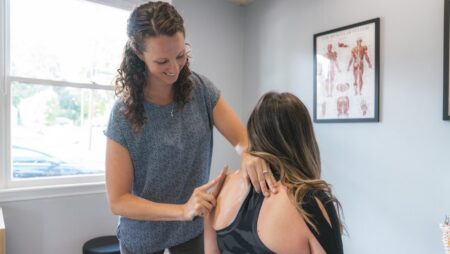
Prehab focuses on restoring balance after a season of overuse. One important component is myofascial release, a hands-on technique designed to address restrictions in muscles and connective tissue. When tissues become tight or “bound down,” normal movement is limited, and compensation patterns develop. Myofascial release helps improve tissue mobility, circulation, and range of motion—creating a better foundation for strengthening and training.
In addition to soft-tissue work, effective prehab includes targeted strength and mobility exercises. These exercises are often prescribed as simple, at-home movements designed to improve joint stability and neuromuscular control. Building stability in the hips, core, ankles, and shoulders helps the body absorb force more efficiently and reduces unnecessary stress on joints and ligaments. When athletes learn how to control their movement, not just create it, they become more resilient.
Movement assessments help identify weaknesses or asymmetries that traditional workouts often overlook. From there, individualized home exercise programs can be used to correct imbalances, reinforce proper movement patterns, and maintain progress between visits. These exercises don’t require hours in the gym—just consistency and intention.
One common mistake is jumping directly from one season into the next without addressing these underlying issues. Athletes who do this often begin the next season already fatigued, tight, and more vulnerable to injury. A short period of intentional recovery, mobility work, and stability training can make a significant difference.
As a chiropractor and certified strength and conditioning specialist, I encourage athletes to think of the off-season as an investment. A little intentional care now can mean fewer injuries, better performance, and more time doing what you love—on the field, court, or trail—next season.