Okinawan Karate: A Tradition of Self-Defense and Personal Protection
Traditional martial arts are often associated with competition — points scored, trophies earned, belts displayed. But long before karate was practiced in strip malls or cages, it served a very different purpose.
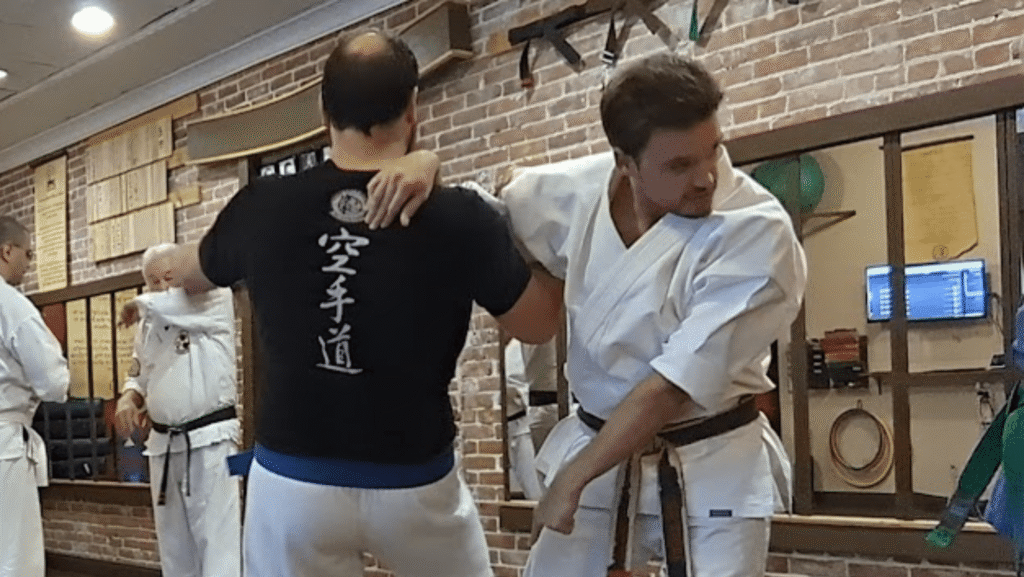
Okinawan Karate developed as a practical system of self-defense and personal protection, shaped by history, necessity, and culture. Understanding that distinction helps explain why traditional karate still holds relevance today — not as a sport, but as a lifelong discipline.
A Practice Born of Necessity
Karate originated on the island of Okinawa during periods of political instability and foreign control. Weapons were restricted, and responsibility for protection often fell on those closest to leadership rather than trained military forces. As a result, early karate was direct and functional, emphasizing close-quarters striking, grappling, and efficiency rather than demonstration.
The goal was never sport. It was protection and extraction.
Over time, Okinawan martial arts absorbed influences from Chinese systems, refining structure while preserving original intent. What emerged was not a competitive activity, but a disciplined method of preparing the body and mind to respond under pressure.
That foundation still defines traditional practice today.
Self-Defense as Discipline
In traditional Okinawan Karate, self-defense is not treated as a collection of techniques, but as a framework for decision-making. Training emphasizes posture, distance, timing, and control — skills that matter far beyond physical confrontation.
One of karate’s most well-known principles is “Karate ni sente nashi” — there is no first attack in karate. Often mistaken for passivity, it actually reflects a deeper discipline: awareness before action, and control before reaction.
That distinction — between impulse and intention — is where the practice begins to extend beyond the dojo.
More Than Physical Training
Unlike sport-based martial arts that revolve around competition and external measurement, traditional Okinawan Karate is inward-focused. Progress is measured less by comparison to others and more by consistency, awareness, and personal responsibility.
Training is repetitive by design. Techniques are practiced again and again, not to chase perfection, but to build reliability — the ability to respond with confidence even when tired, frustrated, or under stress.
Over time, this process develops qualities that are difficult to teach directly: patience, emotional regulation, focus, and respect for structure and tradition. These traits are not abstract ideals; they are reinforced through etiquette, correction, and purposeful repetition — quietly, over many years.
A Lifelong Study
Traditional karate has no finish line. Advancement is not an endpoint, but a deeper entry into study. Higher rank does not grant authority; it signals greater responsibility to fundamentals and preservation.
This mindset contrasts sharply with modern culture’s preference for speed and visible rewards. In karate, progress is often subtle. Improvements appear first in posture, breathing, and composure — long before they show up in rank or recognition.
That approach reflects an older understanding of learning: meaningful growth takes time, and discipline practiced regularly becomes part of who a person is.
Why It Still Matters Today
In a world that increasingly values convenience and external affirmation, practices like Okinawan Karate offer something different. They provide a structured way to engage discomfort, regulate emotion, and develop confidence without aggression.
Self-defense, in this context, is not about preparing for constant danger. It is about cultivating awareness, restraint, and the ability to respond deliberately when circumstances demand it.
Karate was never meant to be trendy, it was meant to be useful, ad in that sense, its relevance has never faded.