The Importance of Proper Humidity During the Heating Season for Your Health
As temperatures drop and heating systems turn on, most homeowners notice the air in their homes begins to feel dry. While this may seem like a minor comfort issue, low indoor humidity during the heating season can have a significant impact on your health, your home, and your overall comfort. Maintaining proper humidity isn’t a luxury—it’s essential for wellness.
During winter, cold outdoor air contains very little moisture. When that air is heated indoors, the relative humidity drops even further, often falling well below the recommended 30–50% range. This dry air can irritate your respiratory system, dry out your skin, and even weaken your immune defenses.
From a health perspective, low humidity is linked to increased coughing, sore throats, sinus irritation, and nosebleeds. Dry air also allows viruses to survive and spread more easily. Studies have shown that proper indoor humidity reduces the transmission of airborne illnesses like the flu and common cold. In addition, dry conditions can worsen existing respiratory conditions such as asthma, allergies, and bronchitis.
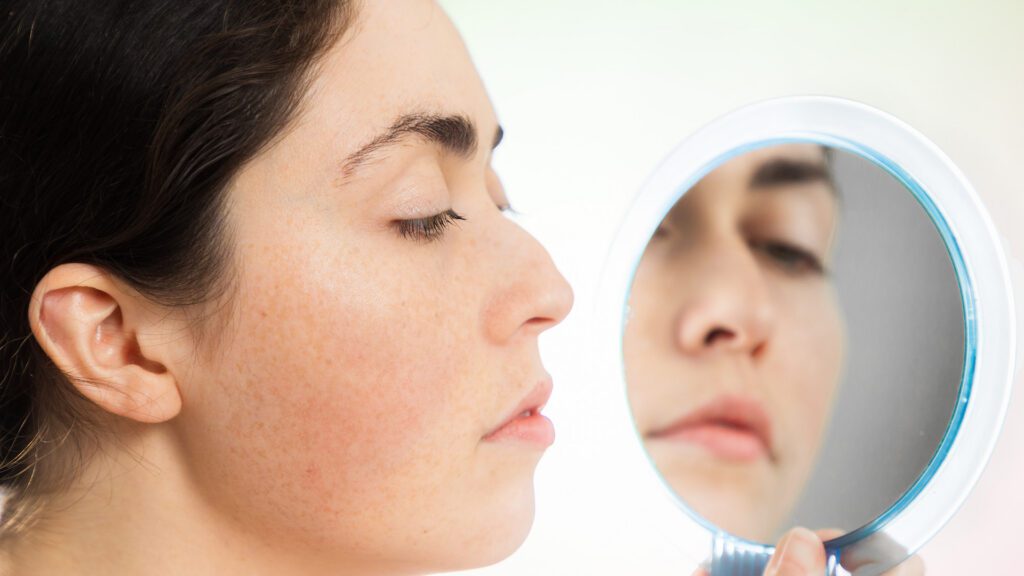
Your skin and eyes also suffer during the heating season. Dry indoor air pulls moisture from your body, leading to itchy skin, cracked lips, and irritated eyes. Many people ramp up lotions and eye drops in winter without realizing the root cause is poor indoor humidity control.
Humidity also affects your home. Wood floors, furniture, and musical instruments can shrink and crack in overly dry conditions. Static electricity becomes more common, causing nuisance shocks and potential damage to sensitive electronics.
This is where whole-home humidification becomes critical—but not all humidifiers are created equal.
Bypass humidifiers, commonly installed on forced-air systems, rely heavily on furnace runtime and airflow across a water panel. While they are inexpensive and better than nothing, they often struggle to keep up with demand in colder climates and larger homes. Their performance is inconsistent and highly dependent on duct conditions and furnace operation.
Fan-powered humidifiers are a step up. These units include their own internal fan to actively move air across the water panel, allowing for greater moisture output. They perform more consistently than bypass units and are a solid mid-level solution for many homes.
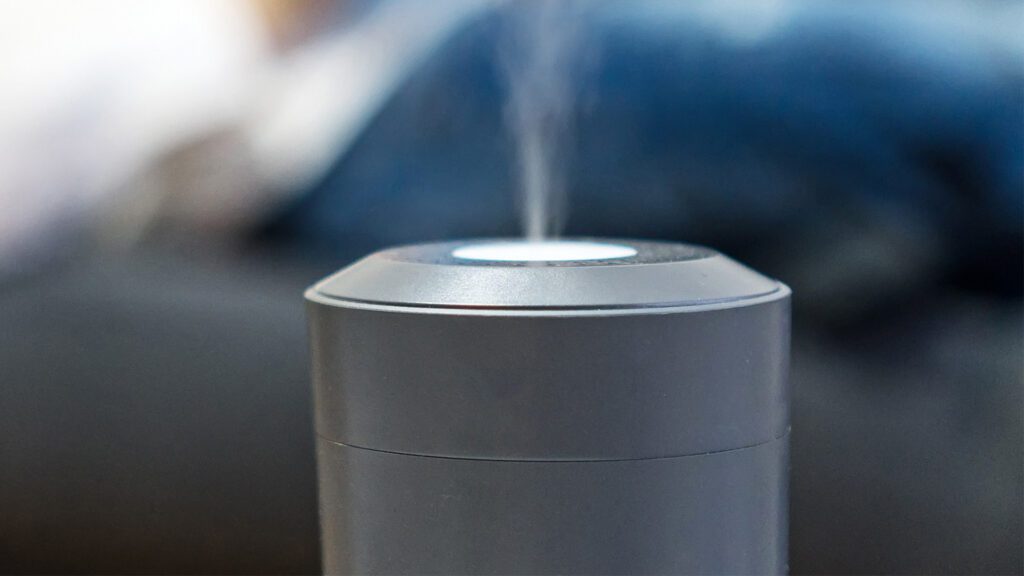
However, steam humidifiers are the gold standard for precise, reliable humidity control. Instead of relying on airflow through a water panel, steam units boil water and inject pure moisture directly into your duct system. This allows them to operate independently of furnace runtime, deliver higher output, and maintain very accurate humidity levels even in the coldest weather. Steam humidifiers also offer superior sanitation, making them ideal for families with health sensitivities.
In the heating season, humidity is not just a comfort feature—it’s a health safeguard. Properly humidified air helps protect your respiratory system, strengthens your immune response, and preserves your home’s materials and furnishings. While bypass humidifiers offer minimal improvement and fan-powered units perform better, steam humidification remains the most effective and healthiest solution available.
Investing in proper whole-home humidity control is an investment in your health, comfort, and long-term home protection—especially during the demanding winter months.