When Life Feels Overwhelming: A Therapist’s Guide to Finding Balance in 2026
Have you ever woken in the middle of the night with your heart pounding and thoughts racing? Problems that seemed manageable during the day suddenly feel impossible. Your chest tightens, your breathing quickens, and you find yourself trapped in a spiral of catastrophic worries. Then morning arrives, and those overwhelming nighttime fears somehow lose their grip in daylight.
If this sounds familiar, you’re not alone. Anxiety and stress are the leading reasons people seek mental health support today, affecting millions across all ages and backgrounds. While stress and anxiety are deeply connected, in this article we’ll focus on anxiety as a way to understand and work through these overwhelming feelings. Anxiety can show up as worry, tension, or fear, and it often feels like an inner alarm system that won’t turn off. Here in Alpharetta, I work every day with successful women, families, and professionals who feel overwhelmed by these persistent feelings.
But here’s the good news: anxiety is manageable, and you have more control than you might think.
As we step into 2026, many of us are carrying the weight of workplace demands, family responsibilities, financial pressures, social isolation, and the pace of constant change. While it isn’t realistic to eliminate stress entirely, we can develop tools that help us respond to it differently.
Start With Your Body
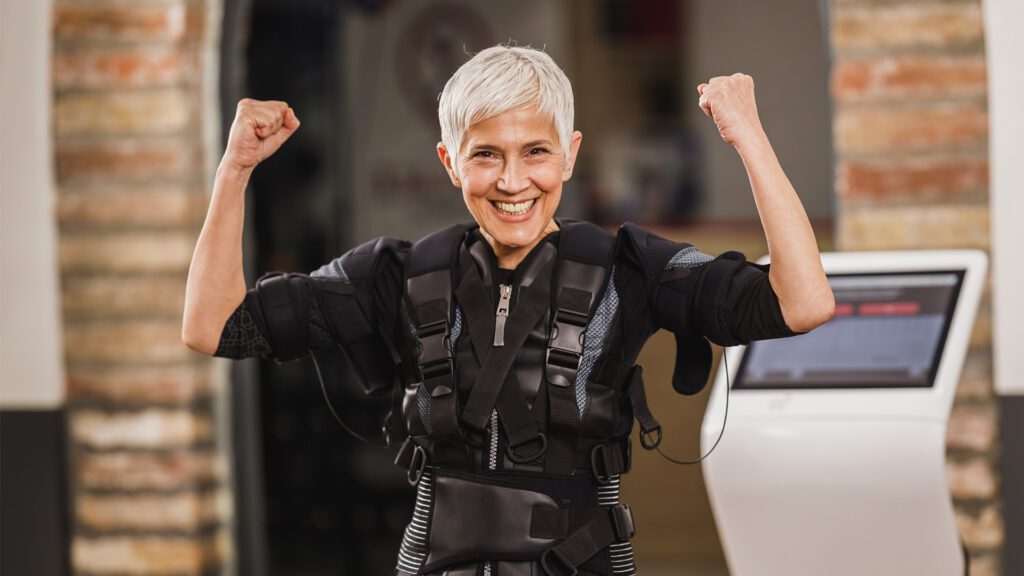
Anxiety shows up in the body before it reaches the mind. Regular movement helps release stress hormones and calm the nervous system. Whether it’s a neighborhood walk, a yoga class, or time at the gym, even 20 minutes can significantly reduce anxiety.
Challenge the Worry Stories
You can’t challenge what you don’t notice. The first step is becoming aware when worry starts. Notice when your thoughts begin to spiral or when you’re imagining the worst possible outcome. Once you catch yourself, pause and ask: Is this thought an actual fact? What evidence do I actually have? What would I say to a friend in this situation? This practice is rooted in cognitive behavioral therapy and has shown 60-80% success rates in reducing anxiety symptoms.
Ground Yourself in the Present
When anxiety pulls you into the future or past, anchor yourself back to now with the 5-4-3-2-1 technique. Identify 5 things you can see, 4 things you can touch, 3 things you can hear, 2 things you can smell, and 1 thing you can taste. This simple practice calms the nervous system.
Practice Mindful Awareness
Research shows that mindfulness-based practices can be as effective as medication in reducing anxiety symptoms. Simple practices like focused breathing or noticing your thoughts without judgment can significantly reduce anxiety over time.
Create Boundaries That Protect Your Peace
Boundaries are essential for everyone, especially when your days revolve around caring for others. It’s easy to put yourself last. Boundaries might mean putting your phone away during personal time, saying no to commitments that leave you depleted, or limiting screen time. Protecting your mental space isn’t selfish. It helps you show up with more energy and presence.
Know When to Reach Out
While self-care strategies are valuable, sometimes anxiety requires professional support. If worry is interfering with your sleep, relationships, or overall quality of life, therapy can be transformative. Therapy isn’t just for crisis moments. It’s a proactive investment in your mental health, providing expert guidance, accountability, and a safe space to explore root causes while also learning to manage symptoms more effectively.
Make your mental health a priority in 2026 by giving yourself permission to slow down and practice the strategies that nourish your mental wellness. With practice and patience, balance becomes possible so you can move through 2026 with a focus on taking care of your mind, body, and spirit.
Visit watermarkwellness.net to learn more.