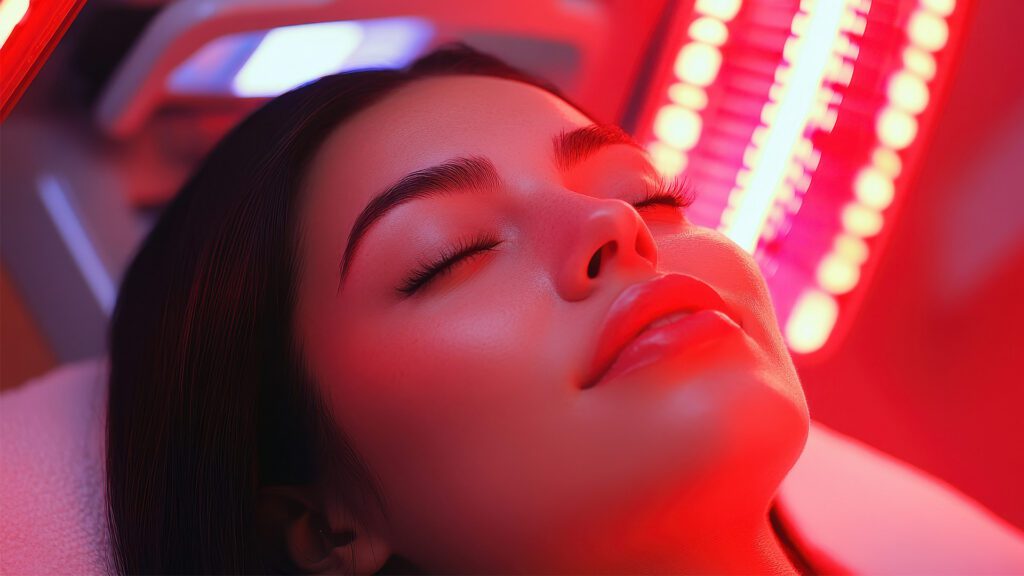
Winter Wellness: The Benefits of Red Light Therapy and Infrared Sauna
Winter can take a toll on both our skin and overall wellness. Colder temperatures, less sunshine, and drier air often leave us feeling tired, stiff, and dealing with dry, irritated skin. Two treatments that are especially beneficial during the winter months are red light therapy and infrared sauna, both offering restorative benefits that support the body from the inside out.
Red Light Therapy: Supporting Skin & Cellular Health
Red light therapy uses specific wavelengths of light to penetrate the skin and stimulate cellular repair. During winter, when skin tends to become dull, inflamed, or dehydrated, this therapy can help promote collagen production, improve circulation, and support overall skin health. Many people notice brighter skin tone, reduced redness, and improved texture with consistent use.
Beyond skin benefits, red light therapy can also help reduce muscle and joint discomfort by increasing blood flow and decreasing inflammation. This makes it a valuable option for those experiencing seasonal stiffness, post-workout soreness, or chronic aches that tend to worsen in colder weather.
Infrared Sauna: Deep Warmth & Detoxification
Infrared saunas work differently than traditional saunas by heating the body directly rather than warming the surrounding air. This allows for a deeper, more comfortable sweat, making it ideal for winter use. Infrared heat helps promote detoxification, relax muscles, and improve circulation while being easier to tolerate than high-heat saunas.
Regular infrared sauna sessions can support immune health during cold and flu season, aid in stress reduction, and promote better sleep. Many people also report improved energy levels and mental clarity—benefits that are especially helpful during shorter, darker winter days.
Why Winter Is the Ideal Time
During winter, the body naturally seeks warmth and restoration. Combining red light therapy with infrared sauna sessions helps counteract the effects of cold weather by boosting circulation, supporting immune function, and maintaining healthy skin. Together, these treatments create a balanced approach to winter wellness, helping the body stay resilient until spring.
A Season for Intentional Self-Care
Self-care is not a luxury—it’s an essential part of maintaining health and balance. Incorporating restorative treatments during the winter months can make a noticeable difference in how you feel, move, and care for your skin throughout the season.