Your Eyes Age Too: What to Watch for in Every Stage of Life
Most people think about eye care only when their vision becomes blurry. But vision clarity is just one part of eye health. Like the rest of the body, the eyes change over time, and understanding those changes helps protect long-term sight and overall wellness.
Routine eye care isn’t about reacting to problems — it’s about staying ahead of them.
Early Years: Screens and Strain
In childhood and early adulthood, eye exams often focus on nearsightedness, farsightedness, or astigmatism. Today, however, increased screen use has introduced new challenges at younger ages.
Digital eye strain, headaches, dry eyes, and difficulty focusing are increasingly common. Even people with excellent vision may experience discomfort that impacts productivity and concentration. Regular exams help identify strain early and allow for solutions that improve comfort before symptoms worsen.
Midlife Changes You Shouldn’t Ignore
As people enter their 30s and 40s, subtle vision changes begin to appear. Reading fine print becomes harder, eyes fatigue more quickly, and focusing between distances may take longer.
Because these changes often happen gradually, many people dismiss them as normal aging. While common, they are still worth evaluating. Early intervention can improve daily comfort and prevent unnecessary frustration.
Later Years: Protecting Long-Term Vision
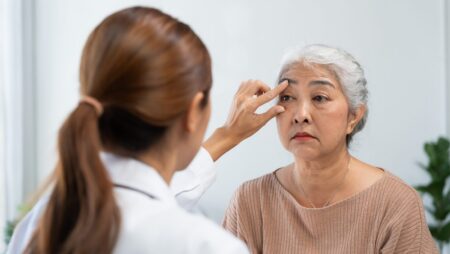
As we age, eye health becomes even more critical. Conditions such as glaucoma, cataracts, and macular degeneration often develop without obvious early symptoms.
Annual comprehensive eye exams allow eye doctors to detect these conditions before noticeable vision loss occurs. Early detection significantly improves treatment outcomes and helps preserve independence and quality of life.
Your Eyes Reflect Your Overall Health
Eye exams can reveal more than vision concerns. High blood pressure, diabetes, and other systemic conditions often show early signs in the eyes.
In many cases, optometrists are the first healthcare professionals to detect these indicators, making routine eye care an important part of whole-body health monitoring.
A Proactive Approach Matters
Waiting until vision declines limits options. Proactive eye care ensures changes are monitored, risks are managed, and vision remains comfortable at every stage of life.
Clear sight is important, but healthy eyes are essential. Prioritizing regular eye exams is one of the simplest ways to protect both vision and long-term health.