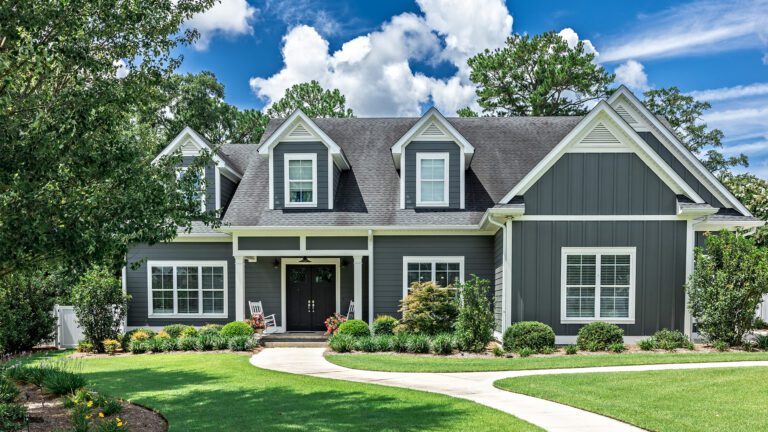
In recent years, severe weather has caused unprecedented damage and losses for homeowners. If you own a home, it’s likely to be one of your most important, in not the most important, financial investment. Many experts feel these examples of severe weather will continue and may be here to stay.
What can you do to protect yourself from a major loss?
Along with routine maintenance, you should also regularly double check your coverages to make sure the coverage you have is adequate and actually protects you. No one wants to find out they don’t have the coverage after a storm, right?
1. Do an annual review of your policy to account for any ‘exposures’ you may have. Most people have no idea if they have enough coverage. A general rule is not to insure your home for its appraised value, but what it would cost to replace it. So, use the recent per-square-foot replacement costs for your area…and then add in value of possessions, living expenses, and other costs. Getting an accurate idea of the protection you need helps eliminate coverage gaps.
2. Examine what’s not covered. A standard homeowners policy doesn’t cover all types of damage to your home. For example, standard policies may exclude damage from flooding or landslides, mold, or certain types of water damage (groundwater vs. rain, etc.) So, if your current policy doesn’t cover some of these possibilities, you may want to examine getting specialized endorsements/riders (additional coverages) to ensure the home is fully protected.
3. Best Policy for You? Depending on where you live or the type of home/property you have, a
homeowners policy may not actually be the best policy for you. A Lake Estate® or Country Estate policy might be the way to go. These unique policies offer additional and distinct types of coverage for those homeowners who need them.
4. Other buildings: What about your garage, barn, boathouse, or shed? If a major storm happens, it’s likely to damage multiple buildings on your property. Are those covered properly?
5. Deductible: Check out the deductible on your policy. It may be different from last year. Some insurance companies have switched from a set amount to a percentage. Even if this is not the case, double check the number so you can rest assured that it’s where you want it to be.
The Correct Coverage
It may sound like my advice to all homeowners is always buy more homeowners insurance. No. What’s important is that you have the correct coverages to ensure you’re protected. If you’re going to buy coverage anyway, it should be for insurance that protects you and your family when you need it. As severe weather becomes a more common feature of our lives, make sure, if your home ever is damaged, you’ve done what you could protect yourself from a major loss.
Any content, resident submissions, guest columns, advertisements, and advertorials are not necessarily endorsed by or represent the views of Best Version Media LLC (BVM) or any municipality, homeowners associations, businesses, or organizations that this publication serves. BVM is not responsible for the reliability, suitability, or timeliness of any content submitted, inclusive of materials generated or composed through artificial intelligence (AI). All content submitted is done so at the sole discretion of the submitting party.