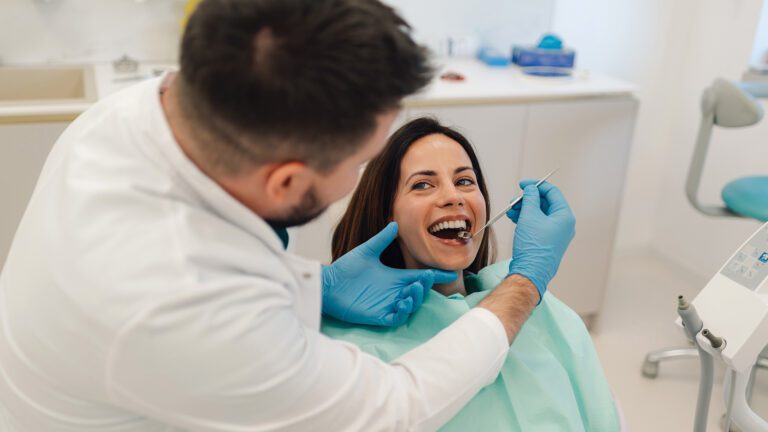
From routine cleanings to complex restorations, dentistry has entered a new era—one where advanced technology is transforming how care is delivered, diagnosed, and experienced. Modern tools are making visits faster, more comfortable, and more precise than ever before.
Digital imaging remains one of the most significant advancements in dental care. Traditional dental X-rays, while effective, have evolved into digital radiography, which uses lower radiation levels and produces instant, high-resolution images. This allows dentists to identify concerns earlier and communicate findings more clearly with patients.
Building on this progress, 3D imaging and cone-beam computed tomography (CBCT) provide detailed views of teeth, bone, and surrounding structures. These scans are invaluable for planning procedures such as dental implants, orthodontic treatment, and root canal therapy, offering greater accuracy and predictability.
At Mortenson Family Dental, technology also enhances both diagnosis and patient understanding. AI-powered software is used to assist in evaluating X-rays, highlighting potential areas of concern that may indicate cavities or periodontal disease. By supporting earlier detection, this technology helps prevent smaller issues from developing into more complex problems. Just as importantly, the visual clarity provided by AI makes it easier for patients to see and understand areas of concern, encouraging active participation in their own dental health.
Intraoral cameras further support this approach. These small, high-definition cameras allow patients to view the same images their dentist sees, helping demystify diagnoses and foster transparency during treatment discussions.
Restorative dentistry has also been transformed through CAD/CAM technology (computer-aided design and manufacturing). Crowns, veneers, and bridges can now be designed and fabricated with remarkable precision—sometimes in a single visit—reducing the need for temporary restorations and multiple appointments.
Preventive and periodontal care continues to benefit from innovation as well. Laser dentistry offers a minimally invasive approach to treating gum disease and other conditions, often with reduced discomfort and faster healing times. Digital scanners have also replaced traditional impression materials, improving accuracy while significantly increasing patient comfort.
While the tools themselves are impressive, technology’s greatest impact lies in the quality of care it enables—earlier detection, clearer communication, and more precise treatment planning. Patients leave not only with healthier smiles, but with a deeper understanding of their oral health.
In modern dentistry, technology isn’t replacing the human touch—it’s enhancing it, allowing dental professionals to blend expertise with innovation to deliver the best possible patient experience.
Any content, resident submissions, guest columns, advertisements, and advertorials are not necessarily endorsed by or represent the views of Best Version Media LLC (BVM) or any municipality, homeowners associations, businesses, or organizations that this publication serves. BVM is not responsible for the reliability, suitability, or timeliness of any content submitted, inclusive of materials generated or composed through artificial intelligence (AI). All content submitted is done so at the sole discretion of the submitting party.