If you live in Oceanside or the surrounding area, chances are you have noticed signs of hard water in your home. Stains on glassware, buildup in kettles, and corrosion on plumbing fixtures are all common indicators that your water contains elevated mineral levels and may benefit from filtration.
Hard water contains high concentrations of dissolved minerals, primarily calcium and magnesium, that are picked up as water travels through soil and rock formations. While these minerals are not typically harmful to human health, they can create long term challenges for residential plumbing systems and the appliances that rely on them every day.
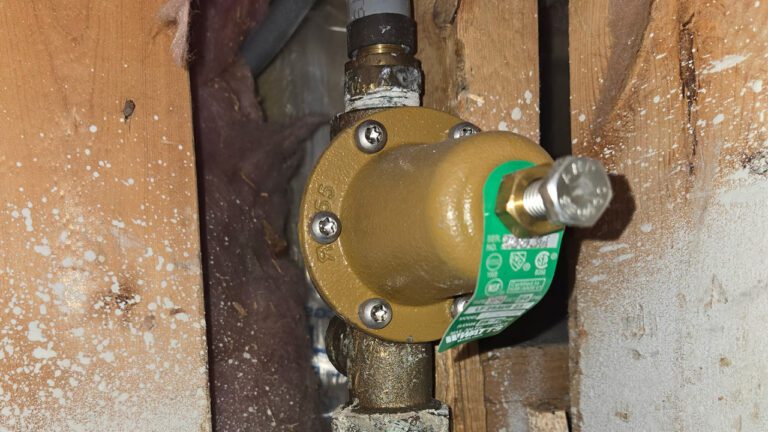
One of the most common effects of hard water is mineral buildup known as scale. As water flows through pipes and is heated or evaporates, dissolved minerals crystallize and attach to nearby surfaces. Over time, these deposits accumulate inside plumbing lines and gradually narrow the internal diameter of pipes. This restriction reduces water flow and increases pressure within the system. When pressure rises inside plumbing lines, pipes, valves, and fittings must work harder than intended. That extra strain can accelerate wear on components and increase the likelihood of leaks or pipe failure as systems age.
Water heaters are particularly vulnerable to hard water conditions. When water is heated, calcium and magnesium separate from the water more rapidly and settle onto heating elements and the interior surfaces of the tank. As these deposits accumulate, they form a layer that acts as insulation between the heating element and the water. This forces the system to consume more energy in order to heat the same volume of water. Over time, the heater becomes less efficient and may struggle to maintain consistent hot water temperatures. In more severe cases, heavy scale buildup can lead to overheating, unusual noises inside the tank, or premature component failure.
Hard water also affects everyday fixtures and appliances throughout the home. Faucets and showerheads can develop mineral deposits that clog small openings and restrict water flow. Showerheads may begin to spray unevenly, while faucets can lose pressure or develop visible white residue. Appliances such as dishwashers and washing machines are also impacted. Hard water can prevent detergents from dissolving and rinsing properly, leaving behind spots on dishes or residue on clothing. Over time, this buildup reduces efficiency and may shorten the lifespan of appliances that depend on clean water flow.
Another common issue occurs when minerals in hard water react with soaps and detergents. Calcium and magnesium bind with soap to form a substance known as soap scum. This sticky residue accumulates in sinks, drains, and shower surfaces and can contribute to clogged drains and slower water flow. Because soap becomes less effective in hard water, many homeowners unknowingly use larger quantities of cleaning products, which can further add to buildup within plumbing systems.
Fortunately, effective solutions are available. Water softener systems remove calcium and magnesium through a process called ion exchange, replacing these minerals with ones that do not create scale buildup. By reducing hardness levels, these systems help protect pipes, improve appliance efficiency, and extend the lifespan of plumbing infrastructure throughout the home.
At Godek Plumbing and Gas, our team specializes in diagnosing water hardness issues and recommending the right treatment solutions for each household. We provide professional water testing, system installation, and maintenance services designed to protect plumbing systems from mineral related damage.
Hard water may seem like a minor inconvenience at first, but over time it can quietly place significant stress on a home’s plumbing system. With the right treatment system in place, homeowners can protect their pipes, improve efficiency, and enjoy cleaner water throughout their home.
Any content, resident submissions, guest columns, advertisements, and advertorials are not necessarily endorsed by or represent the views of Best Version Media LLC (BVM) or any municipality, homeowners associations, businesses, or organizations that this publication serves. BVM is not responsible for the reliability, suitability, or timeliness of any content submitted, inclusive of materials generated or composed through artificial intelligence (AI). All content submitted is done so at the sole discretion of the submitting party.