The natural world has long inspired artists, its colors and textures immortalized in paintings and photographs that adorn galleries and homes alike. Yet, some of Earth’s most breathtaking artistry requires no replication – just revelation. The swirling blues of the ocean, the veined greens of an ancient forest, or the golden glow of sunset can all be found within the very stones beneath our feet.
For those who have never wandered through a stone distribution yard or warehouse, it’s a truly awe-inspiring experience. Each slab of natural stone is a masterpiece millions of years in the making – completely unique in color, texture, and pattern. Many local distributors in Milwaukee and Chicago even showcase live inventories online, allowing you to explore nature’s creations from your own home.
But what gives these stones their extraordinary beauty? The answer lies in their geological origins.
Marble
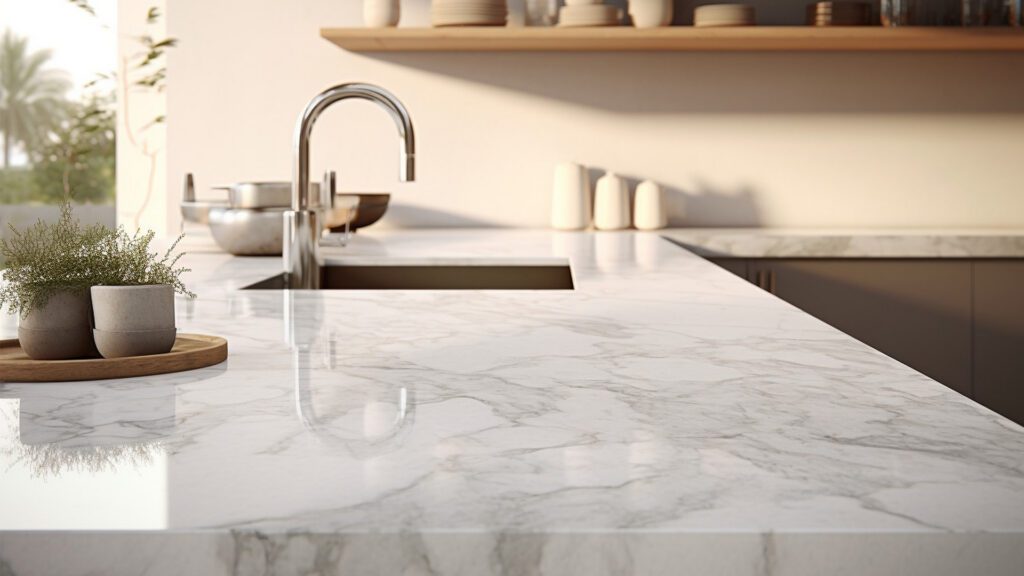
Marble, often admired for its timeless white elegance, actually spans a remarkable range of colors – from soft blushes and cool aquas to rich browns and deep blacks. It begins as limestone, a sedimentary rock formed from ancient seashells. Over millions of years, heat and pressure transform the limestone into crystalline marble. While pure limestone typically produces pure white marble, the presence of natural impurities – such as clay, iron, or silt – infuses the stone with striking veining and color variation. Golden streaks, silvery grays, and vibrant greens or reds emerge, revealing the mineral story written within.
Granite
Granite’s distinctive speckled pattern tells a tale from deep within the Earth. Formed from slowly cooling magma, granite develops as elements like silicon, iron, sodium, and potassium crystallize over vast expanses of time. The rate of cooling determines the size of these crystals – slow cooling allows larger crystals to form, resulting in the dynamic and varied patterns we admire in countertops and architectural designs. The specific combination of minerals influences the stone’s color: copper lends subtle blues or greens, while iron gives warm reds or yellows.
Quartzite
Quartzite, another metamorphic marvel, begins as sandstone – composed mostly of quartz grains. Under intense heat and pressure, these grains fuse into an incredibly hard, durable stone. The result is a surface that combines strength with delicate beauty. Among the most desired varieties today is Taj Mahal quartzite, celebrated for its warm, sandy hues and elegant, understated veining.
Nature’s masterpieces
Each slab of stone is more than a material – it’s a fragment of Earth’s history, shaped by elemental forces and the passage of time. When used in our homes, these stones carry a story of transformation and endurance. No two are ever alike, ensuring that every installation is a one-of-a-kind expression of nature’s artistry.
To explore these natural masterpieces firsthand, visit our website for links to reputable stone distributors who offer an array of exquisite slabs ready to be transformed into timeless features for your home.
Any content, resident submissions, guest columns, advertisements, and advertorials are not necessarily endorsed by or represent the views of Best Version Media LLC (BVM) or any municipality, homeowners associations, businesses, or organizations that this publication serves. BVM is not responsible for the reliability, suitability, or timeliness of any content submitted, inclusive of materials generated or composed through artificial intelligence (AI). All content submitted is done so at the sole discretion of the submitting party.