One of the biggest fears homeowners have when investing in an outdoor living project is not just the cost. It is spending that money only to end up with a space that rarely gets used because it is too hot in summer, too cold in winter, or simply does not feel comfortable.
In the Shenandoah Valley, that concern is understandable. Our climate brings both humid summers and freezing winters, which means outdoor living spaces need to be designed carefully to match how homeowners actually plan to use them.
At Valley Roofing & Exteriors, we often meet homeowners who are unsure whether they want a screened porch, a sunroom, or a four-season room. Part of the confusion comes from the fact that many people use those terms interchangeably, even though they are very different types of spaces.
The biggest difference comes down to one thing: how “inside” the room is. That means insulation, air sealing, and whether the space includes heating and cooling.
A screened porch is the most open-air option. It typically includes a roof and screened walls that keep bugs out while allowing plenty of airflow. Homeowners love screened porches for relaxing evenings, fresh air, and maintaining an outdoor feel without the annoyance of insects. However, because the space is still exposed to outdoor temperatures and humidity, comfort depends heavily on the season and weather.
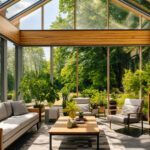
A sunroom, often called a three-season room, offers more protection from the elements. These spaces are enclosed with glass and designed to maximize natural light while providing shelter from rain, wind, and pollen. Sunrooms can often be enjoyed through much of the year, especially during spring and fall. However, without proper shading, ventilation, or upgraded windows, they can become too warm during peak summer heat or chilly during colder months.
A four-season room functions much more like a traditional home addition. These rooms are insulated, air sealed, and connected to a heating and cooling system so they remain comfortable year-round. Because of that, many homeowners use four-season rooms as family rooms, dining areas, offices, or entertainment spaces. They also represent the highest level of investment and construction complexity.
For homeowners trying to decide between the three, it often helps to think about how many months of the year they realistically want to use the space.
If the goal is seasonal enjoyment during mild weather, a screened porch may be the right fit. If you want a bright, enclosed space that extends comfort through much of the year, a sunroom may offer the best balance. If you want true year-round living space, a four-season room is usually the better long-term solution.
In many cases, a thoughtfully designed sunroom can double or even triple the amount of time homeowners comfortably use that area of their home each year.
The most important step is understanding the differences before construction begins. A successful outdoor living project is not simply about adding square footage. It is about creating a space that genuinely improves how you live in and enjoy your home.
To learn more or schedule a free estimate, visit Valley Roofing & Exteriors @ www.valroofing.com.
Any content, resident submissions, guest columns, advertisements, and advertorials are not necessarily endorsed by or represent the views of Best Version Media LLC (BVM) or any municipality, homeowners associations, businesses, or organizations that this publication serves. BVM is not responsible for the reliability, suitability, or timeliness of any content submitted, inclusive of materials generated or composed through artificial intelligence (AI). All content submitted is done so at the sole discretion of the submitting party.