
When designing or updating a space, window coverings are often treated as a finishing touch, a purely aesthetic decision made at the end of a project. However, interior designers and building engineers view window treatments through a much more functional lens. A window covering is not merely a piece of fabric or a set of slats; it is a dynamic barrier regulating light, temperature, privacy, and acoustic comfort. While mass-produced, off-the-shelf blinds might offer a quick fix, they routinely fail to deliver the profound structural and environmental benefits that come with properly fitted, custom window treatments.
Precision Insulation and Thermal Efficiency
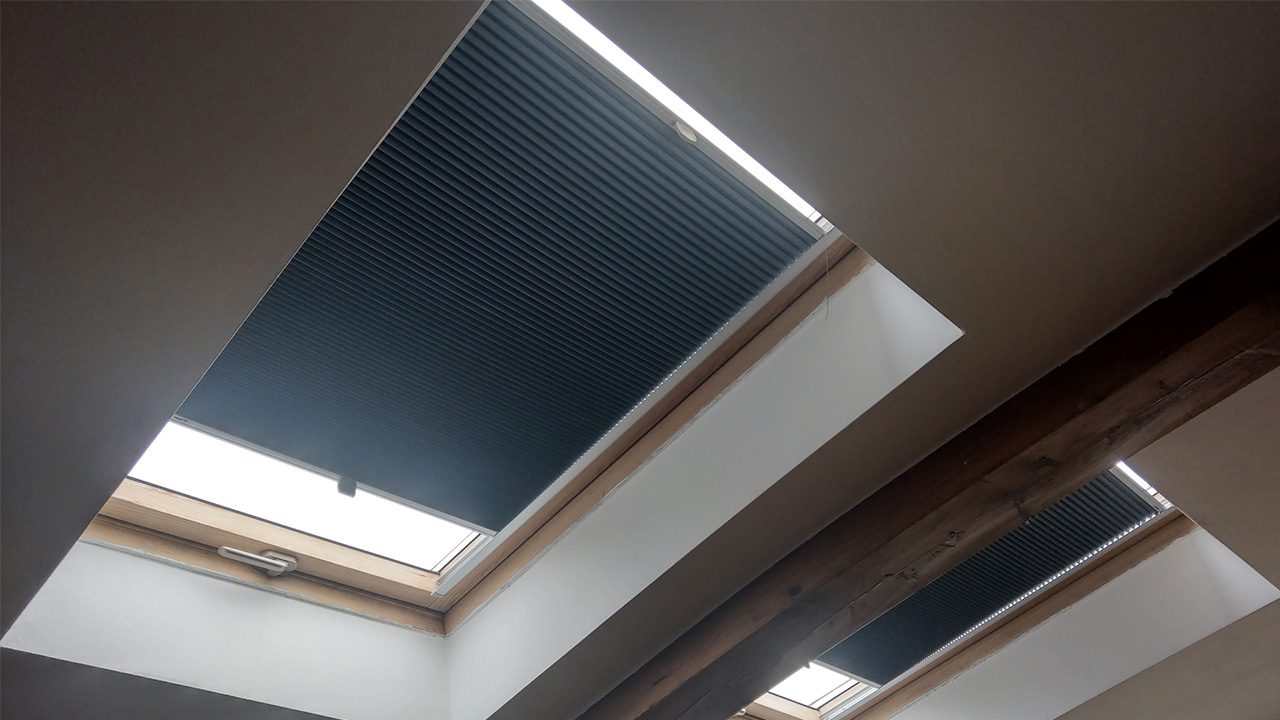
The most compelling argument for precision-fitted window coverings is rooted in thermodynamics. Windows are notoriously inefficient, acting as the primary source of thermal loss in the winter and solar heat gain in the summer. Roughly 30% of a home’s heating energy is lost through windows, and during cooling seasons, approximately 76% of sunlight entering standard double-pane windows turns into heat. Properly fitted coverings, particularly cellular shades, heavy draperies, or tightly sealed roller shades create a sealed air pocket between the glass and the room. When a window treatment is custom-measured and installed with minimal gaps along the edges, it minimizes convective heat transfer. In the winter, it traps cold air against the glass; in the summer, it reflects solar radiation before it can infiltrate the living space. Off-the-shelf treatments that leave even a one-inch gap on the sides allow a continuous draft cycle to bypass the barrier, effectively rendering their insulating properties useless.
Optimal Light Control and UV Protection
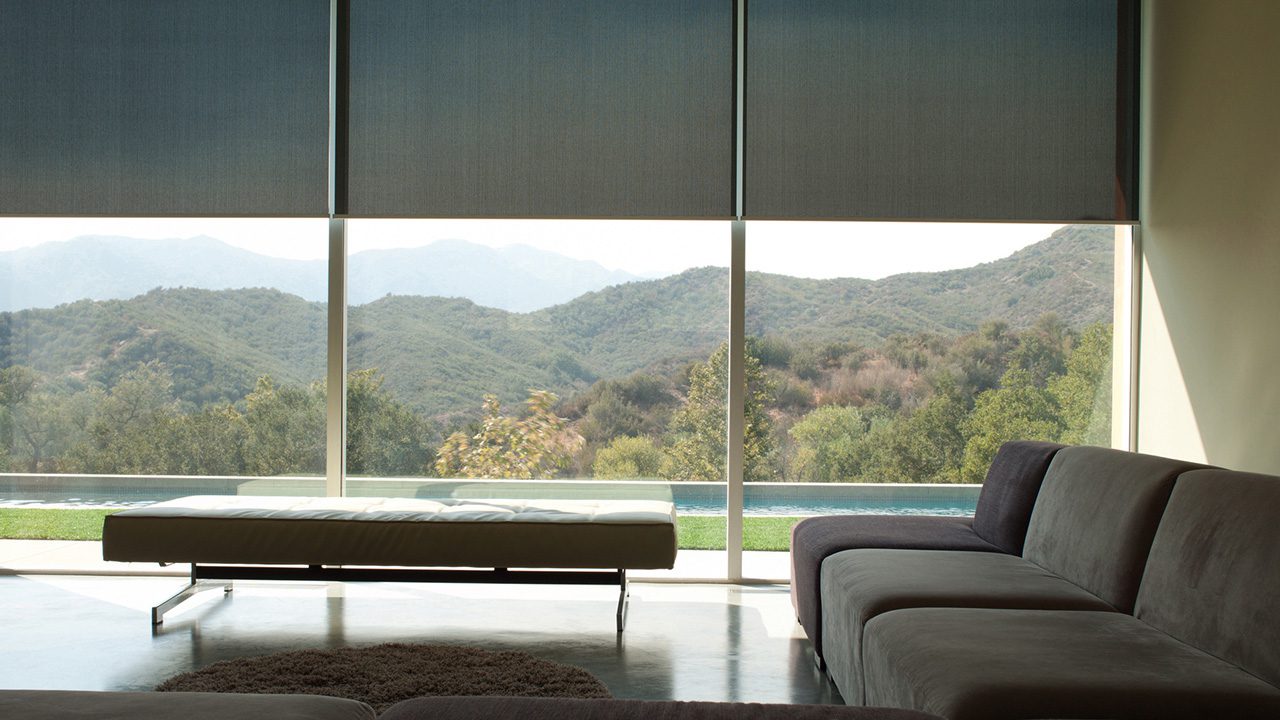
Light control is an art form that directly impacts human well-being and material longevity. Standard blinds often leave substantial “light gaps” at the edges, causing harsh glares that disrupt sleep cycles or interfere with digital screens in home offices. Custom-fitted treatments offer true blackout capabilities for bedrooms and media rooms by utilizing side channels or exact edge-to-edge specifications.
Furthermore, properly fitted treatments act as a shield against ultraviolet (UV) radiation. Continuous exposure to UV rays degrades organic materials, leading to the irreversible fading of expensive hardwood floors, custom upholstery, artwork, and rugs. Precision coverings allow occupants to diffuse or block harmful rays entirely, preserving interior investments without sacrificing natural ambiance.
Acoustic Dampening and Elevated Security
The benefits of exact fitting extend to acoustics and privacy. Homes in dense urban environments or near busy thoroughfares suffer from noise pollution. Properly tailored, heavy-gauge fabric window treatments act as sound-absorbing baffles, reducing the echo within a room and dampening exterior noise.
From a security and privacy perspective, gaps in poorly fitted blinds offer sightlines into a property from specific angles outside. Custom-tailored options ensure total coverage, granting absolute privacy without forcing occupants to live in complete darkness.
The Verdict
Investing in properly fitted window coverings is ultimately an investment in the building’s infrastructure. By choosing precision over a “one-size-fits-all” alternative, property owners significantly lower their monthly energy expenditures, protect their interior assets, and elevate their daily comfort. In modern design, true luxury is found where flawless aesthetics meet peak mechanical performance, a standard only achieved through a perfect fit.
Any content, resident submissions, guest columns, advertisements, and advertorials are not necessarily endorsed by or represent the views of Best Version Media LLC (BVM) or any municipality, homeowners associations, businesses, or organizations that this publication serves. BVM is not responsible for the reliability, suitability, or timeliness of any content submitted, inclusive of materials generated or composed through artificial intelligence (AI). All content submitted is done so at the sole discretion of the submitting party.