There is a moment in many labors where things feel like they slow down—not because progress has stopped but because the body is reorganizing. Baby is rotating. Tissues are responding. The pelvis is doing exactly what it was designed to do.
And in those moments, small supports can make a meaningful difference.
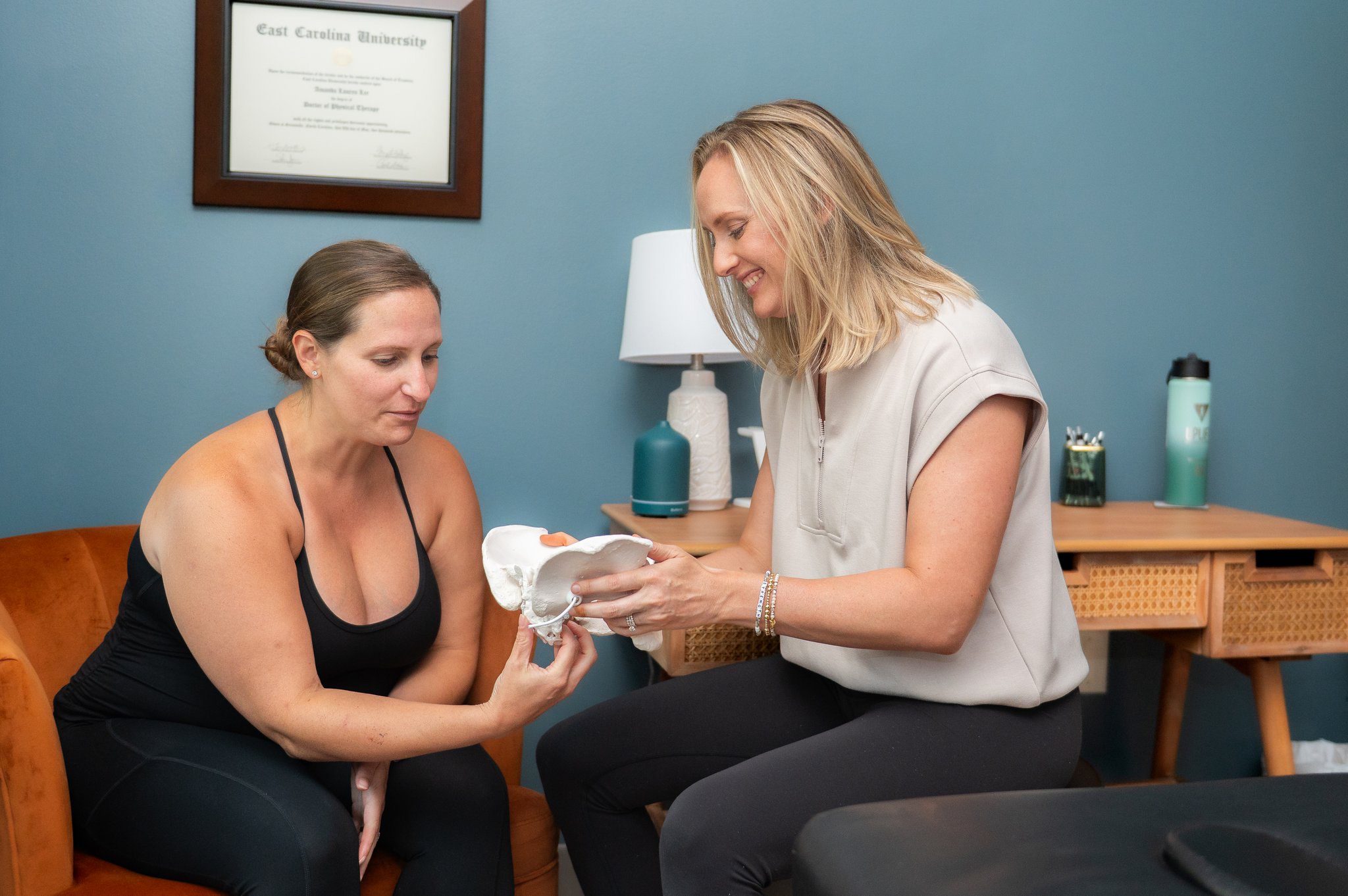
One of the most overlooked areas of birth preparation is the perineum—not as something to “manage” but as tissue that can be supported long before labor begins. Perineal stretching and awareness work in the final trimester of pregnancy helps the body become more familiar with sensation, lengthening and relaxation. This matters because tissue that is tense, guarded or unfamiliar with stretch is less adaptable under load.
Research consistently shows that perineal tearing risk is influenced by a combination of factors, not just one moment in time. These include first vaginal birth, prolonged second stage, larger baby size, epidural use in some contexts and operative or instrumental delivery (forceps or vacuum). Instrumental use, in particular, is associated with a significantly increased likelihood of higher-grade perineal tears due to the added mechanical forces required for delivery.
But it’s important to hold this gently: these are risk factors, not predictions. Which is where preparation and movement come in.
(Submitted by Lauren Davenport)
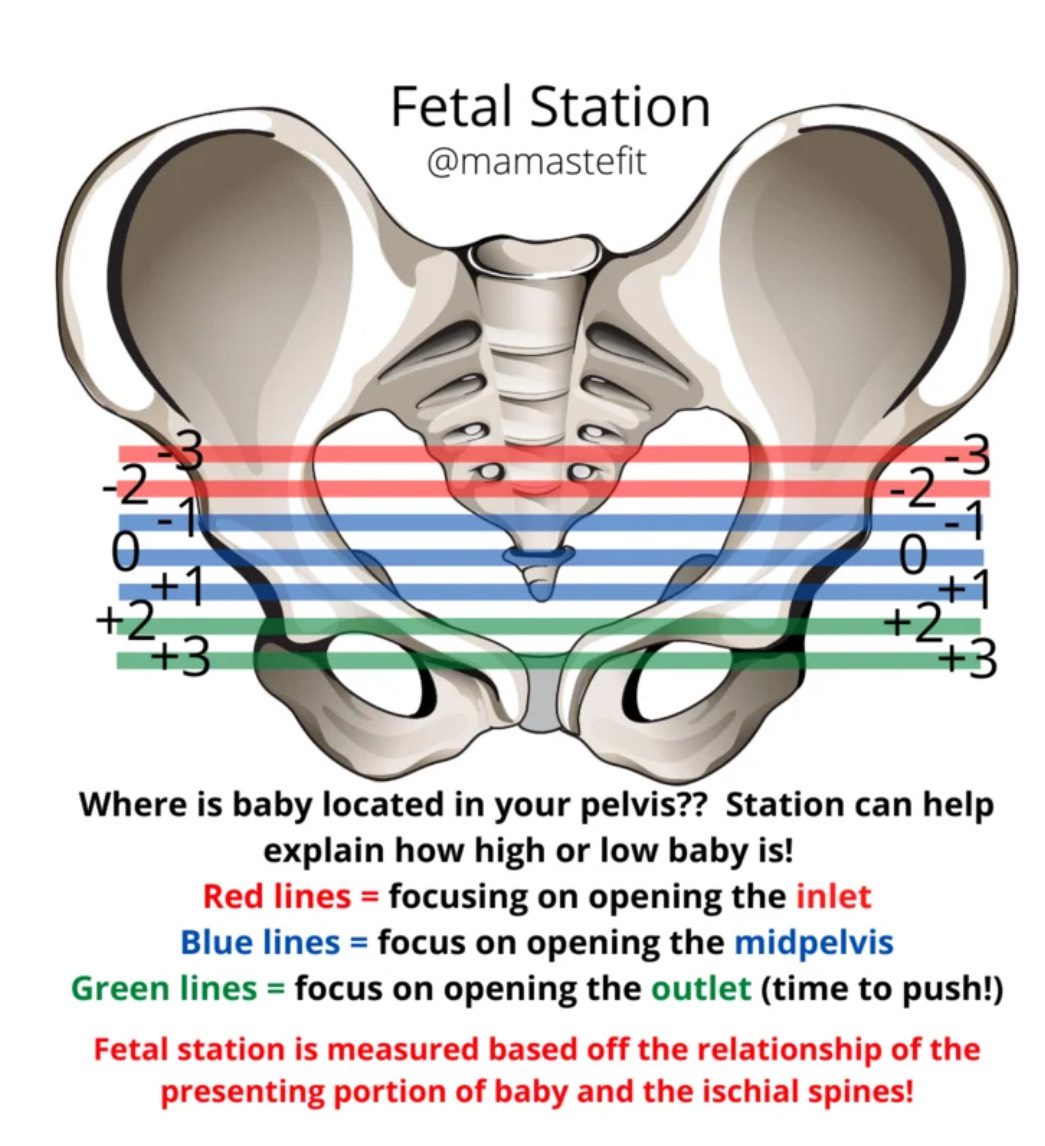
Birth is not linear; it moves through spaces in the pelvis that respond to shape and position. We often describe this as stations of descent, and each stage benefits from different mechanical support:
Inlet (engagement + entry)
At the top of the pelvis, the goal is space and external rotation. Positions that widen the pelvic inlet and allow the baby to engage include:
- Supported deep squat
- Wide-knee child’s pose
These positions create expansion through the upper pelvis and encourage descent. Mid-pelvis (rotation + navigation)
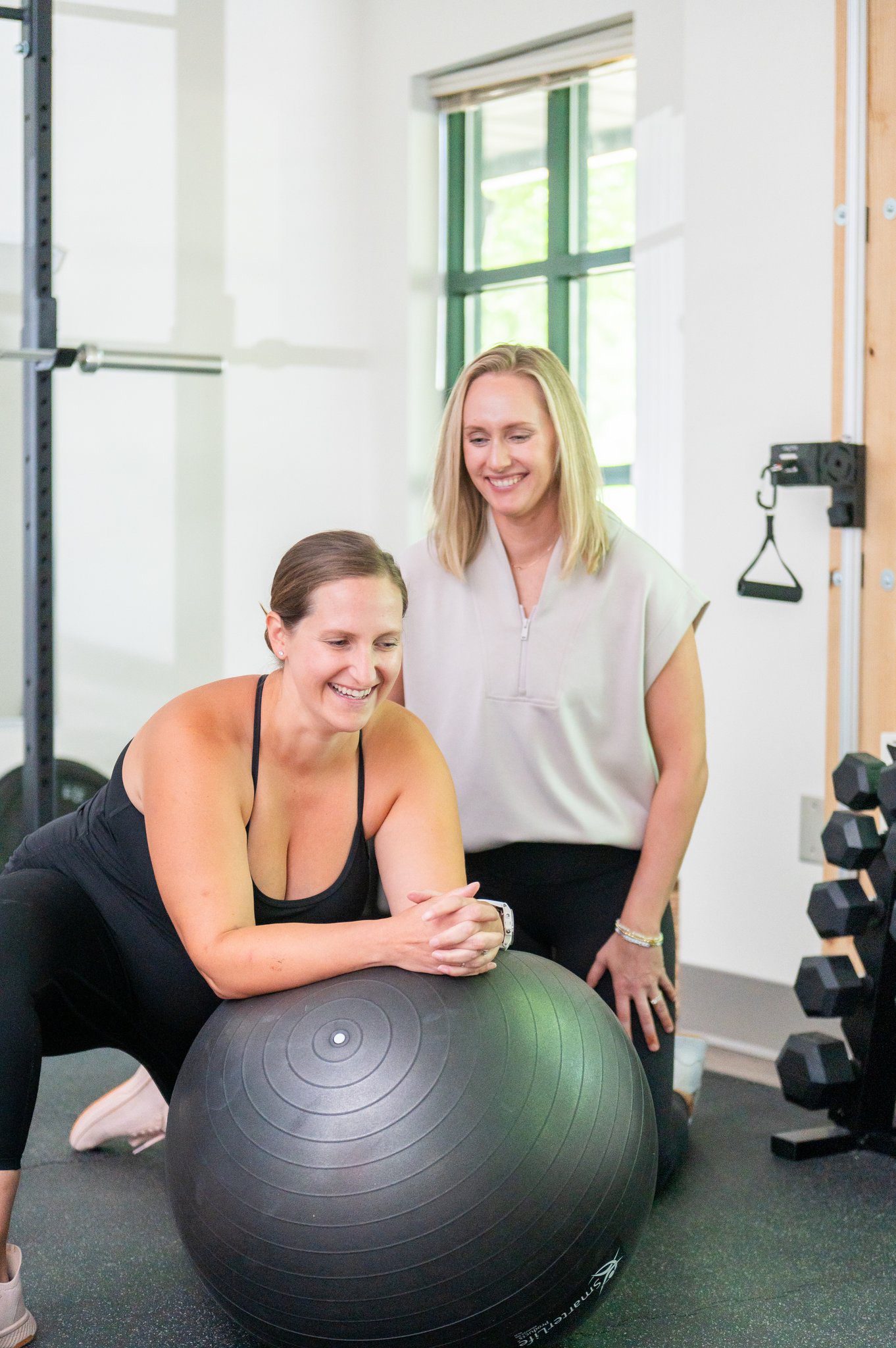
This is often the most dynamic phase. The baby is rotating, flexing and finding alignment. Asymmetry is key here:
- Lunges (forward or lateral)
- Sidelying pelvic shifts or releases
(Submitted by Lauren Davenport)
These movements create uneven space—often exactly what is needed for rotation. Outlet (final descent + birth)
At the bottom of the pelvis, the goal shifts again: internal rotation and outlet expansion.
- Positions where ankles are wider than knees in position of choice (on your back, in sidelying with peanut ball or on hands and knees)
Here, subtle adjustments can support the final pathway for birth.
What we often see in practice is not that one “perfect” position solves labor but that intentional movement changes the story of labor. It reduces stagnation, supports rotation and allows the pelvis to respond instead of resist. Pro tip: change positions every 30-45 minutes.
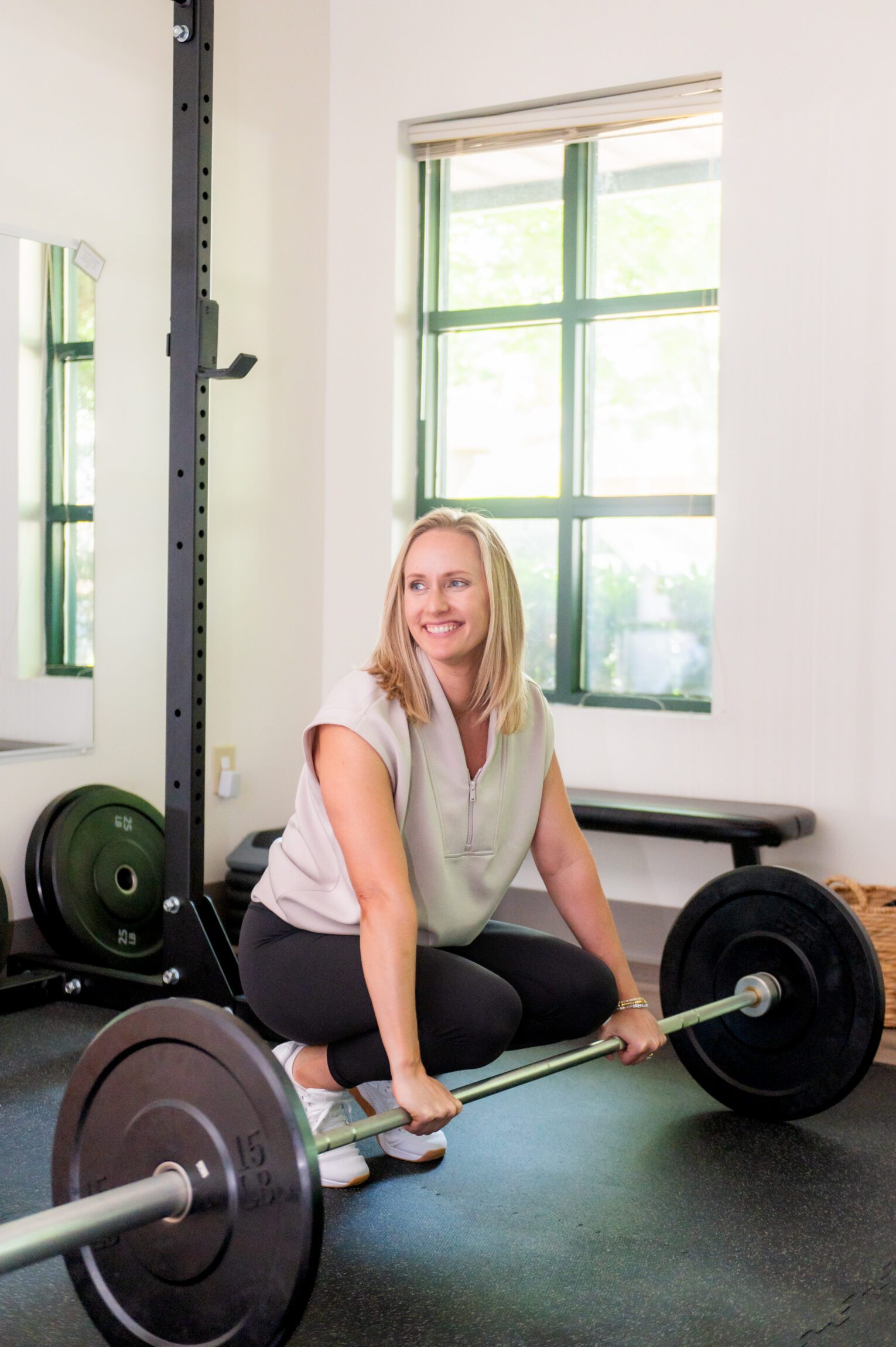
And when partners are part of that process, knowing how to support weight, adjust positioning and offer steady guidance, the experience becomes less about guessing and more about responding together. That is why rehearsal matters. Not to control birth, but to reduce uncertainty inside it.
(Submitted by Lauren Davenport)
If you’re preparing for birth, consider this your reminder: your body already knows the pathway. Preparation simply gives it more room to move through it.
If you want guided practice in these positions, with real-time feedback, partner support training and individualized guidance, we offer birth preparation sessions designed exactly for that.
(Submitted by Lauren Davenport)
Any content, resident submissions, guest columns, advertisements, and advertorials are not necessarily endorsed by or represent the views of Best Version Media LLC (BVM) or any municipality, homeowners associations, businesses, or organizations that this publication serves. BVM is not responsible for the reliability, suitability, or timeliness of any content submitted, inclusive of materials generated or composed through artificial intelligence (AI). All content submitted is done so at the sole discretion of the submitting party.