The heavens have been generous so far this season, providing enough rain that many people have even held off getting their hoses out for the year. But old kids’ toys, forgotten bird baths, and clogged gutters can lead to something less than desirable: more mosquitos. These little-winged vampires breed in stagnant water and can ruin a backyard gathering one slurping stab at a time. So let off a bug bomb, get those tiki torches lit and lets look into how to prevent you from falling victim.
So what is luring the little buggers to you in the first place? Our genetics, natural carbon dioxide (CO2) output, body odor, metabolic rate, and whether we have been eating bananas can all contribute to turning us into plumes of mosquito attractants; sometimes drawing them in as far as 150 feet away! But don’t worry, there is hope! Let’s take a look at some plant-based solutions proposed over the years.
The Citronella Geranium or Mosquito Plant was introduced by Dutch plant breeder Dirk van Leenen in the 1980’s and advertised as a “skeeter skeedaddler” for your patio planters. Rubbing the leaves produces a nice lemony scent reminiscent of citronella, but claims of it actively repelling mosquitos have been greatly exaggerated. Studies from University of Guelph, Ontario showed that not only was the plant ineffective at repelling mosquitos, but that it ended up serving as a landing perch for them to relax on.
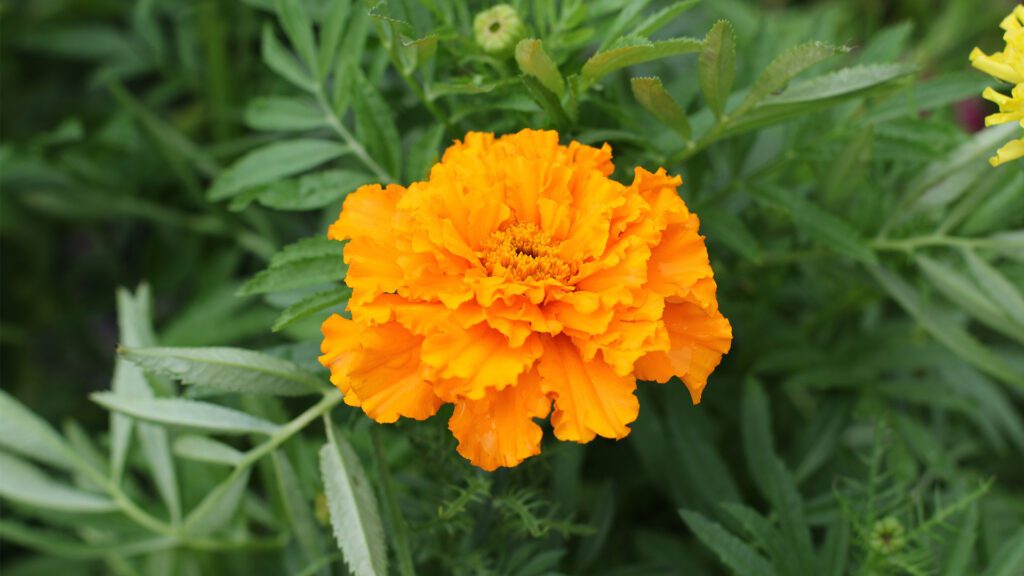
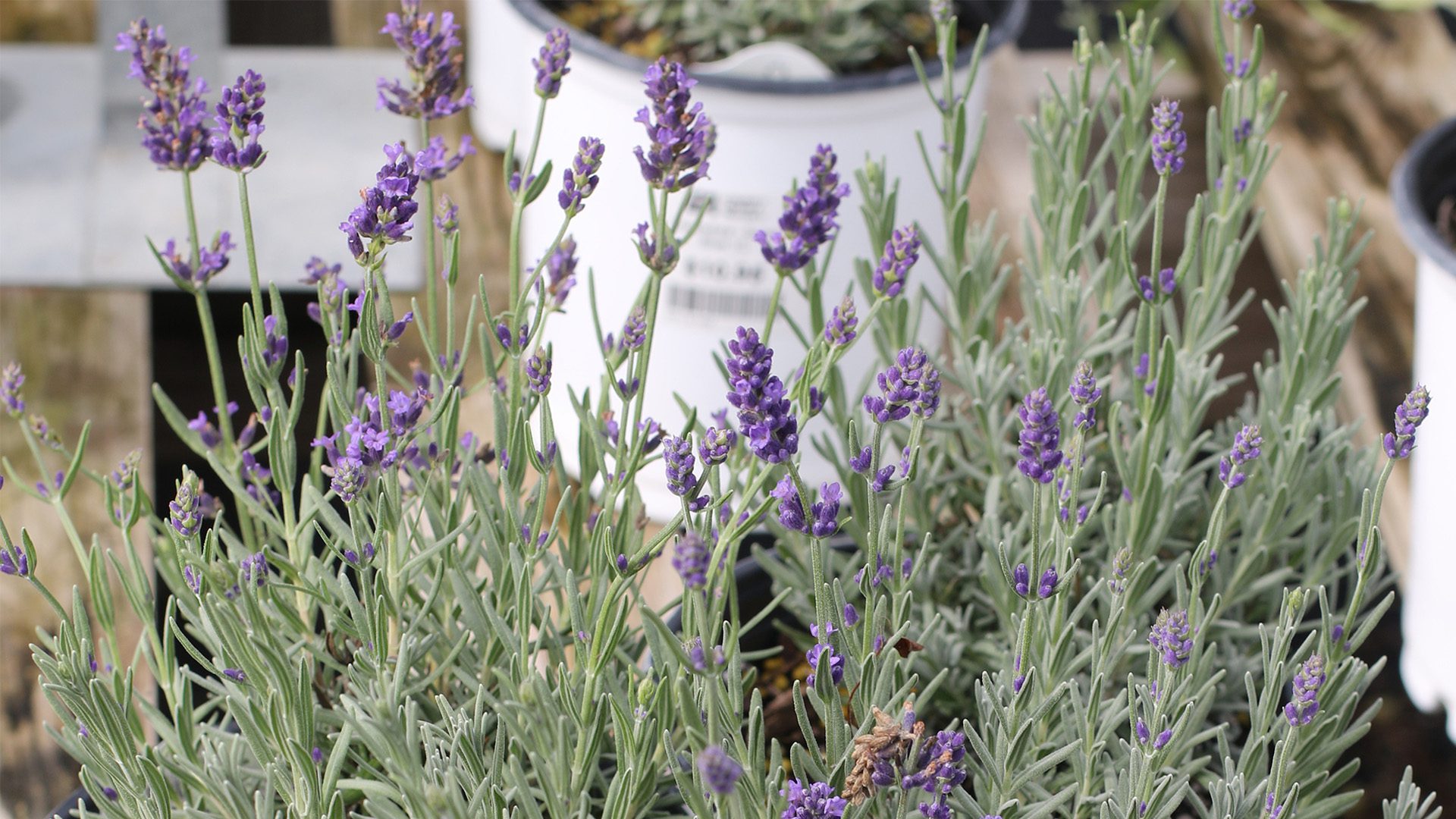
Is there anything you can plant to help guard against skeeters? Plants with strong essential oils such as lavender, marigolds, lemon grass, lemon balm, lemon thyme, and citronella grass planted around your seating areas can aid ever so slightly with their naturally-emitted aromatics, but not until the foliage is bruised will they truly be effective. Crushing and rubbing the plants on yourself to transfer the oils is the most effective use. You can also gather up a variety of those plants, crush them, and make an interesting herbal centerpiece.
A popular place to sit in Medieval and Elizabethan gardens was the ‘turf bench’ or ‘herb seat.’ These were often curated mounds of soil with turf and small flowering plants, or actual bench-like structures constructed with a low-walled frame of wood, stone, brick, or woven branches for people to rest on. These benches were planted with herbs such as: chamomile, thyme, and mint that can handle some trampling and convey a pleasant scent when sat upon and crushed. Considering bathing frequency in those times, they likely made pleasant pews for polite discussion with some insect repelling qualities to boot!
With the goal of not becoming someone’s snack, nature does provide repellents such as Lemon Eucalyptus Oil (most effective), Citronella Oil, Cedarwood Oil, and various other essential oil blends that can be effective at creating a bubble of protection.
Whether you are sitting upon a lemon thyme tuffet, utilizing some fresh crushed herbs as confetti, or crowding around the tiki torch; there are solutions you can pursue in place of a DEET bath. If anything, your scented patio plants can make for a great conversation starter!
Any content, resident submissions, guest columns, advertisements, and advertorials are not necessarily endorsed by or represent the views of Best Version Media LLC (BVM) or any municipality, homeowners associations, businesses, or organizations that this publication serves. BVM is not responsible for the reliability, suitability, or timeliness of any content submitted, inclusive of materials generated or composed through artificial intelligence (AI). All content submitted is done so at the sole discretion of the submitting party.