For many people living with macular degeneration and other vision-related conditions, losing central vision can also mean losing a sense of independence — especially when everyday activities like reading, recognizing faces, or driving become difficult. Advances in low vision technology, however, are helping some patients maintain greater functionality and quality of life.
One option gaining attention is the use of bioptic telescopes, which are miniature telescopic lenses mounted onto eyeglasses. These specialized devices are designed to help individuals with reduced central vision see distant objects more clearly. In some cases, patients with vision around the 20/200 range may improve enough to meet visual requirements for activities such as driving, depending on state regulations and individual circumstances.
Low vision specialists use bioptic telescopes to assist patients with a variety of conditions, including macular degeneration, diabetic retinopathy, and other retinal diseases that impair central vision. The devices work by allowing the wearer to alternate between their normal field of vision and the magnified telescope for spotting details in the distance, such as road signs or traffic signals.
Macular degeneration remains the leading cause of vision loss and blindness in adults over age 50. The condition affects the macula, the small but highly sensitive portion of the retina responsible for sharp central vision. As the macula deteriorates, patients often experience a blurry or dark spot in the center of their vision, making tasks like reading, driving, and recognizing faces increasingly challenging.
There are two primary forms of macular degeneration: dry and wet. The dry form accounts for approximately 90 percent of cases and tends to progress more gradually. Researchers continue to study treatments and preventative measures, including nutritional therapies. Some studies have suggested that certain high-dose vitamin combinations may help slow progression or improve visual function in some patients.
Although aging is the greatest risk factor for macular degeneration, other contributing factors include family history, smoking, cardiovascular disease, and high blood pressure. Regular comprehensive eye exams remain one of the best tools for early detection and management.
While there is currently no cure for macular degeneration, low vision rehabilitation and assistive technologies continue to evolve. Devices such as bioptic telescopes are helping some individuals maximize their remaining vision and maintain independence longer than previously possible.
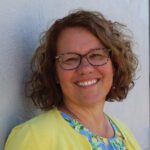
Dr. Marianne McDaniel of Mascoutah Eye Care is one of only a few doctors in the U.S. and the only one in Illinois who specializes in fitting bioptic telescopes to people with macular degeneration, diabetic retinopathy, and other causes of legal blindness. For more information about low vision services and bioptic telescopes, contact Mascoutah Eye Care at 618-566-8899 or visit mascoutaheyecare.com.
Any content, resident submissions, guest columns, advertisements, and advertorials are not necessarily endorsed by or represent the views of Best Version Media LLC (BVM) or any municipality, homeowners associations, businesses, or organizations that this publication serves. BVM is not responsible for the reliability, suitability, or timeliness of any content submitted, inclusive of materials generated or composed through artificial intelligence (AI). All content submitted is done so at the sole discretion of the submitting party.