Most of us put on our favorite jewelry without giving it a second thought. But a few simple habits can help keep those pieces looking beautiful for years to come and may even help you avoid costly repairs.
One of the biggest times to pay extra attention to your jewelry is during the summer. Hands-on activities like gardening, landscaping, mowing, and raking can scratch or damage rings. If you need to wear your jewelry while working, I recommend wearing gloves to help protect it.
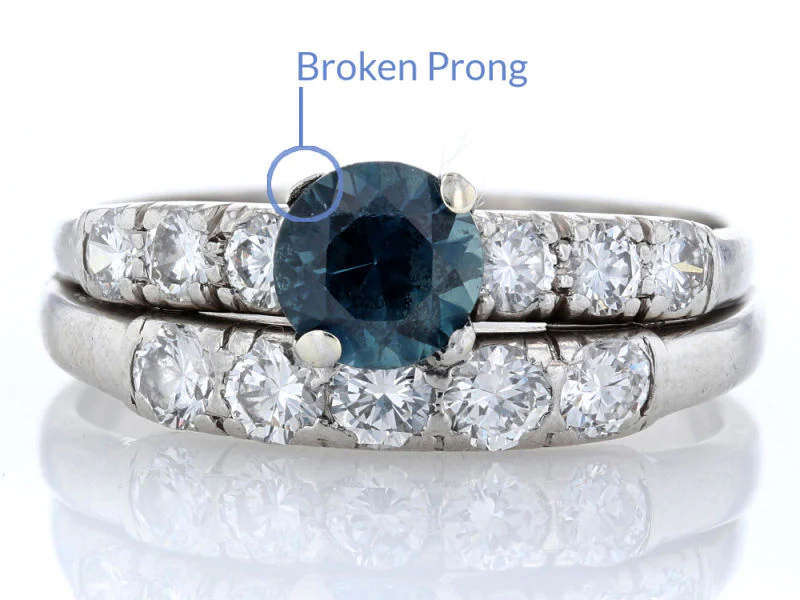
(Submitted by Brian Gauger)
Swimming is another time when it’s best to remove your jewelry. Chlorine from pools and hot tubs, along with bleach and other harsh cleaning chemicals, can weaken gold and sterling silver over time. For example, 14K gold is only 58.5% pure gold, so harsh chemicals gradually erode the alloy metals that give it strength. This can make jewelry brittle, discolored, and more likely to crack. Saltwater and sand can also scratch the surface of metal, weaken joints, tarnish finishes, and eventually loosen stones.
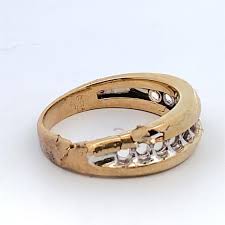
(Submitted by Brian Gauger)
Some gemstones require extra care as well. Opals are especially fragile and can crack or dry out after prolonged exposure to heat and sunlight. Pearls, opals, and turquoise can also be affected by sunscreen and body oils, which may stain or slowly damage the stones.
There are also a few everyday activities where taking your jewelry off is the safest choice. I recommend removing rings and necklaces before sleeping, swimming, using a hot tub, weightlifting, golfing, playing tennis, or participating in any activity that requires a tight grip. Ring bands can bend under pressure, and sleeping is one of the most common causes of broken chains. Showering isn’t usually harmful, but soap residue builds up over time and can dull your jewelry. Since pearls are often secured with adhesive, frequent exposure to water can also cause them to loosen.
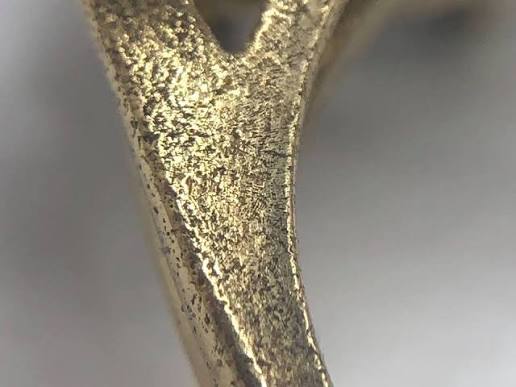
(Submitted by Brian Gauger)
When your jewelry needs a little freshening up, warm water, Dawn dish soap, and a soft toothbrush work well for routine cleaning at home. Avoid jewelry-cleaning pastes sold online, as they can dry onto your jewelry and become very difficult to remove. A professional cleaning goes a step further by lightly polishing away small scratches and using specialized cleaning solutions to remove built-up dirt, oils, and grease, leaving your jewelry looking almost new again.
Finally, don’t wait until something breaks before having your jewelry inspected. If a stone moves, a prong feels sharp or catches on clothing, or your jewelry is so dirty that you can’t clearly see the stones, it’s time to bring it in. I recommend having everyday jewelry professionally cleaned and inspected every six months to a year, and at least once a year. Scuffs and scratches are normal, but bent rings, cracked bands, or worn prongs are signs that repairs are needed before a stone is lost.
With just a little routine care and regular inspections, your favorite jewelry can continue looking its best for years to come.
Any content, resident submissions, guest columns, advertisements, and advertorials are not necessarily endorsed by or represent the views of Best Version Media LLC (BVM) or any municipality, homeowners associations, businesses, or organizations that this publication serves. BVM is not responsible for the reliability, suitability, or timeliness of any content submitted, inclusive of materials generated or composed through artificial intelligence (AI). All content submitted is done so at the sole discretion of the submitting party.