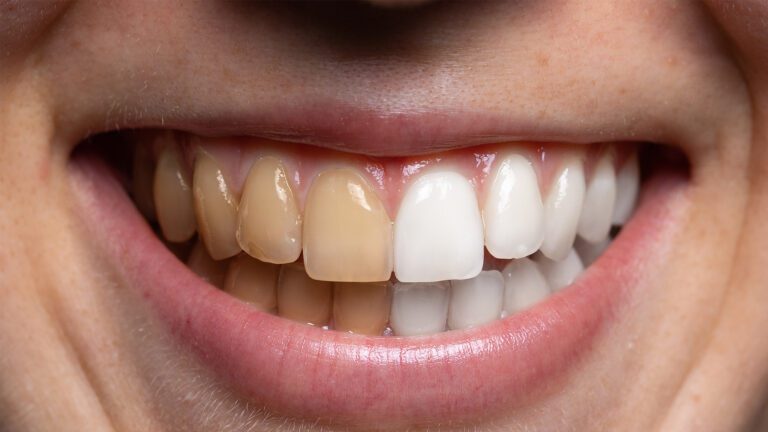
Periodontal disease, also known as gum disease, is an infection of the gums and bone that hold your teeth in place. It is one of the most common reasons that adults lose teeth. Because it usually develops slowly and without pain, many people don’t realize they have it.
During regular dental visits, we check gum health by gently measuring the space between the tooth and the gum, called the sulcus. When this space becomes deeper than normal, it can be a sign of gum disease.
What Causes Gum Disease?
Gum disease starts with plaque, a sticky film of bacteria that forms on teeth every day. These bacteria release toxins that irritate the gums. Over time this irritation causes the gums to pull away from the teeth, creating pockets where more bacteria can collect. The deeper these pockets become, the more serious the condition is.
Stages of Gum Disease
- Gingivitis—This is the earliest stage. Gums may look red, feel tender, or bleed when brushing or flossing. The good news is that gingivitis is reversible, with good home care and regular professional cleanings.
- Periodontitis—If gingivitis is left untreated, it can progress to periodontitis. At this stage the infection can damage the bone that supports the teeth, leading to loose, shifting or missing teeth. Treatment involves professional deep cleaning, followed by more frequent maintenance cleanings.
Who Is More at Risk?
Some people are more likely to develop gum disease, including those with a family history of gum problems, smokers or people with crowded teeth. Hormonal changes (such as pregnancy), certain medications or medical conditions like diabetes can also increase the likelihood.
Signs to Watch for
- Bleeding gums
- Red, swollen or tender gums
- Gums pulling away from teeth
- Ongoing bad breath or bad taste
- Pus between teeth and gums
- Loose or shifting teeth
- Changes in how your teeth fit together
Keep in mind that gum disease can be present, even without obvious symptoms.
Why Gum Health Matters
Healthy gums are important for more than just your smile. Ongoing gum infection has been linked to heart disease and stroke, lung problems and difficulty controlling diabetes. Inflammation in the mouth can affect the rest of the body.
Prevention and Care
Good daily habits—brushing, cleaning between teeth, eating well and avoiding tobacco—go a long way in preventing gum disease. Regular dental visits help catch problems early, when treatment is simpler and more comfortable. Taking care of your gums is an important step toward protecting both your oral health and your overall wellbeing.
If you ever notice changes in your gums—or if it’s been a while since your last dental visit—don’t hesitate to ask questions. Gum disease is common, manageable and often preventable.
With early care and guidance from your Seva Dental team, you can keep your gums healthy and your smile strong, for years to come. Schedule an appointment at sevadental.com or 937-310-2555.
Any content, resident submissions, guest columns, advertisements, and advertorials are not necessarily endorsed by or represent the views of Best Version Media LLC (BVM) or any municipality, homeowners associations, businesses, or organizations that this publication serves. BVM is not responsible for the reliability, suitability, or timeliness of any content submitted, inclusive of materials generated or composed through artificial intelligence (AI). All content submitted is done so at the sole discretion of the submitting party.