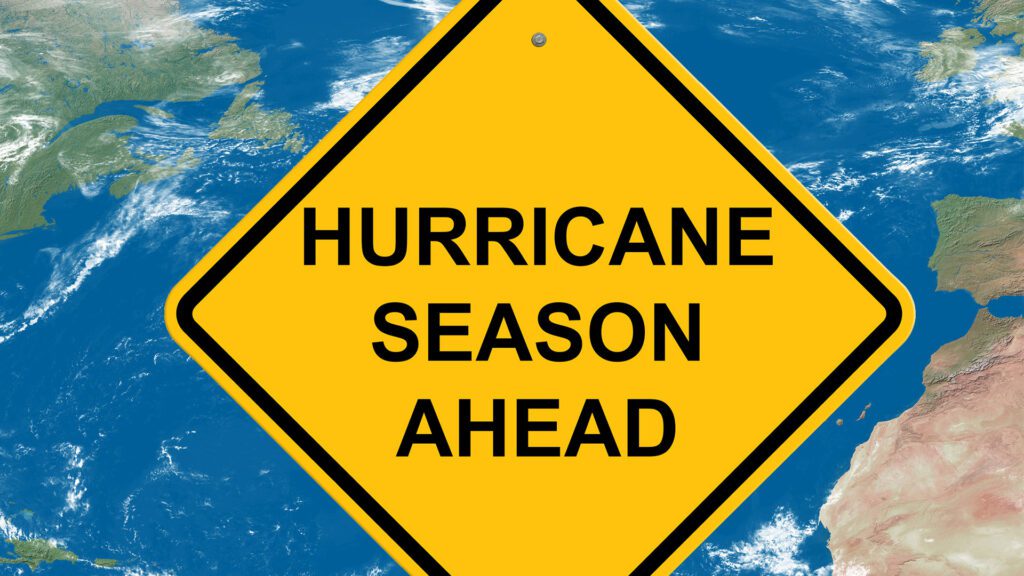
Living in coastal Virginia, we know hurricane season isn’t a matter of if rather it’s when. Strong winds, heavy rain, and saturated soil can quickly turn a healthy-looking yard into a hazardous situation. The good news is that with a little preparation, you can significantly reduce the risk to your home, property, and family.
One of the most important steps homeowners can take is evaluating their trees’ health and stability before storm season arrives. Trees that appear fine on the outside can sometimes have hidden structural issues that make them vulnerable in high winds.
Start by looking for common warning signs. Dead or hanging branches (often called “widowmakers”) are one of the biggest risks. These limbs can break off easily during a storm and cause serious damage. Cracks in the trunk, hollow areas, or visible decay are also red flags that a tree may not be structurally sound. Additionally, trees that lean significantly or have exposed roots could be at risk of uprooting when the ground becomes saturated.
Proper pruning is one of the most effective ways to prepare your trees. Thinning out dense canopies allows wind to pass through more easily, reducing the chance of branches snapping or the entire tree being uprooted. Removing weak, dead, or crossing branches not only improves safety but also promotes healthier growth overall.
It’s also important to consider the trees closest to your home, driveway, or power lines. Even a small limb can cause major damage if it falls in the wrong place. Being proactive with trimming or, in some cases, removing a hazardous tree can save you from costly repairs later.
Another factor many homeowners overlook is soil condition. After heavy rains, the ground becomes softer, which weakens a tree’s root system. If you already have concerns about a tree’s stability, saturated soil during a hurricane can be the tipping point. Keeping an eye on drainage and avoiding overwatering can help maintain stronger root systems.
For larger trees or anything that raises concern, it’s always best to bring in a professional. A trained eye can spot issues that aren’t immediately obvious and recommend the safest course of action. At East Coast Trimmers, we often find that early intervention makes all the difference when severe weather hits.
Hurricane season can be unpredictable, but your preparation doesn’t have to be. Taking the time now to assess and care for your trees can protect your property, improve the health of your landscape, and give you peace of mind when the next storm rolls in.
If you’re unsure where to start, consider scheduling a tree assessment. A safer yard today means fewer worries tomorrow.