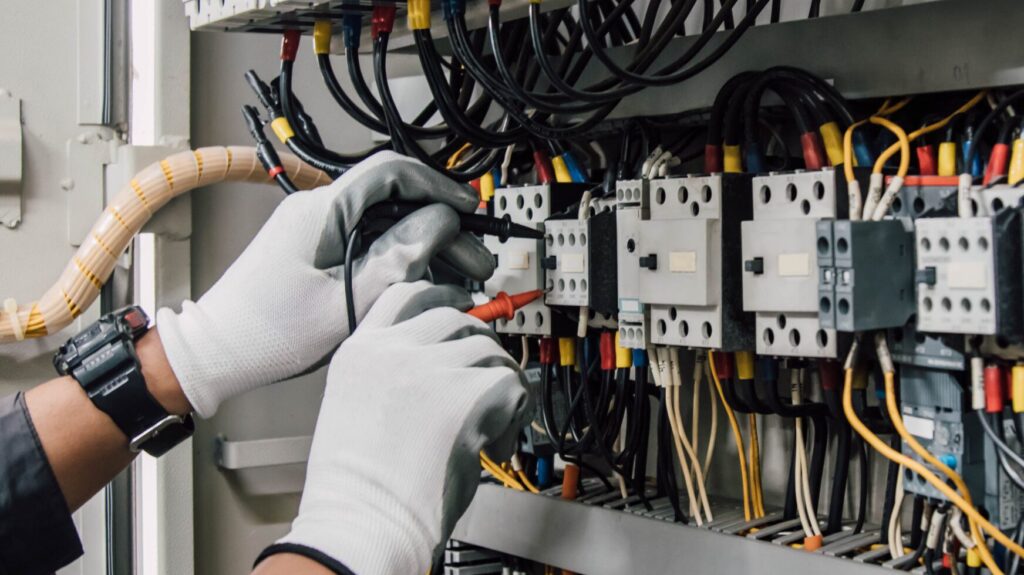
Your home’s electrical system works quietly behind the walls.. until something goes wrong. Flickering lights, tripping breakers, or a sudden outage might seem like small annoyances, but they can be signs of deeper issues that impact your home’s safety, reliability, and long-term value.
A professional electrical safety inspection is one of the simplest ways to protect your home, your investment, and your family.
Why It Matters
1. Prevent Hidden Fire Risks
Electrical issues are one of the leading causes of house fires—and many of them start out of sight. Aging wiring, overloaded circuits, and faulty connections can create dangerous heat buildup long before you notice a problem.
An inspection helps identify and correct these risks early.
2. Ensure Your System Can Handle Modern Demand
Today’s homes use far more power than they did even 10–20 years ago. Between appliances, smart home tech, EV chargers, and luxury upgrades like hot tubs or saunas, your system may be under more strain than it was designed for.
This is especially important for:
- Lake homes
- Remodels or additions
- Homes adding high-demand features
3. Avoid Unexpected Breakdowns
Power outages, breaker trips, and inconsistent performance often point to underlying issues. Catching them early can prevent inconvenient (and expensive) failures later.
4. Protect High-End Investments
If you’ve invested in your home (custom lighting, outdoor living spaces, dock power, or backup systems) you want everything running safely and reliably. An inspection ensures your electrical system supports those upgrades properly.
5. Gain Peace of Mind
There’s real value in knowing your home is safe. A professional inspection gives you clarity, confidence, and a clear plan if anything needs attention.
What’s Included in an Electrical Safety Inspection
A thorough inspection goes beyond a quick glance. Here’s what a qualified electrician will typically evaluate:
Electrical Panel Assessment
- Panel condition and age
- Proper labeling and organization
- Signs of overheating or damage
- Capacity for current and future demand
Wiring & Connections
- Condition of visible wiring
- Signs of wear, corrosion, or outdated materials
- Secure, properly installed connections
Circuit Performance
- Breaker function and reliability
- Overloaded or improperly balanced circuits
- Causes of frequent tripping
Fire & Safety Risks
- Loose connections or hotspots
- Improper installations
- Code violations that increase risk
Outlets, Switches & Fixtures
- Proper grounding and polarity
- GFCI/AFCI protection where required
- Safe operation of switches and receptacles
System Capacity & Future Planning
- Ability to handle additions like:
- Hot tubs or saunas
- Dock power
- EV chargers
- Generators
-
Recommendations for upgrades if needed
When Should You Get an Inspection?
Consider scheduling an inspection if:
- Your home is over 20 years old
- You’re planning a remodel or addition
- You’ve experienced electrical issues
- You’re purchasing a home
- You’re adding high-demand equipment
- You simply want peace of mind
The Bottom Line
Electrical problems rarely fix themselves, and waiting until something fails can be costly or dangerous. A proactive inspection gives you control, helping you avoid surprises while ensuring your home is safe, efficient, and ready to support the way you live.
Ready to Know for Sure?
Don’t guess when it comes to your home’s safety.
Schedule a professional electrical safety inspection and get clear answers, expert insight, and confidence in your system.
Any content, resident submissions, guest columns, advertisements, and advertorials are not necessarily endorsed by or represent the views of Best Version Media LLC (BVM) or any municipality, homeowners associations, businesses, or organizations that this publication serves. BVM is not responsible for the reliability, suitability, or timeliness of any content submitted, inclusive of materials generated or composed through artificial intelligence (AI). All content submitted is done so at the sole discretion of the submitting party.