Hydration – Focus on staying hydrated. Aim to consume two liters of water per day OR 14-18 mL per pound of body weight.
Nutrition – Your daily requirement for protein increases when you are recovering from surgery or injury. You may feel like you are not doing much, but your metabolism is increased because you are repairing tissues at the site of surgery/injury. Aim to consume 1 g of protein per pound of body weight.
Additionally, if you are repairing bone, you need to consume minerals and fat soluble vitamins to ensure proper bone repair. Bones are made of protein and minerals. Calcium is one of those minerals but there many others including phosphorus, sodium, magnesium, and sulfur. To get enough minerals, eat a variety of vegetables at every meal.
Vitamin D allows the body to absorb the calcium that you eat. Vitamin K2 deposits calcium in the bones correctly as opposed to in the arteries or organs where we definitely don’t want calcium. These vitamins are called fat soluble vitamins because they are found in fats. Get vitamin D by eating oily fishes, supplementing with cod liver oil, and spending time outside in the sun for at least 30 minutes every day. You can get vitamin K2 from butter, egg yolks, liver, cheese, and fermented foods.
Sleep – Your need for sleep may increase after surgery or injury. Instead of 7-9 hours of sleep, you may need 10+ hours of sleep. Be sure to make sleep a priority and address any sleep issues.
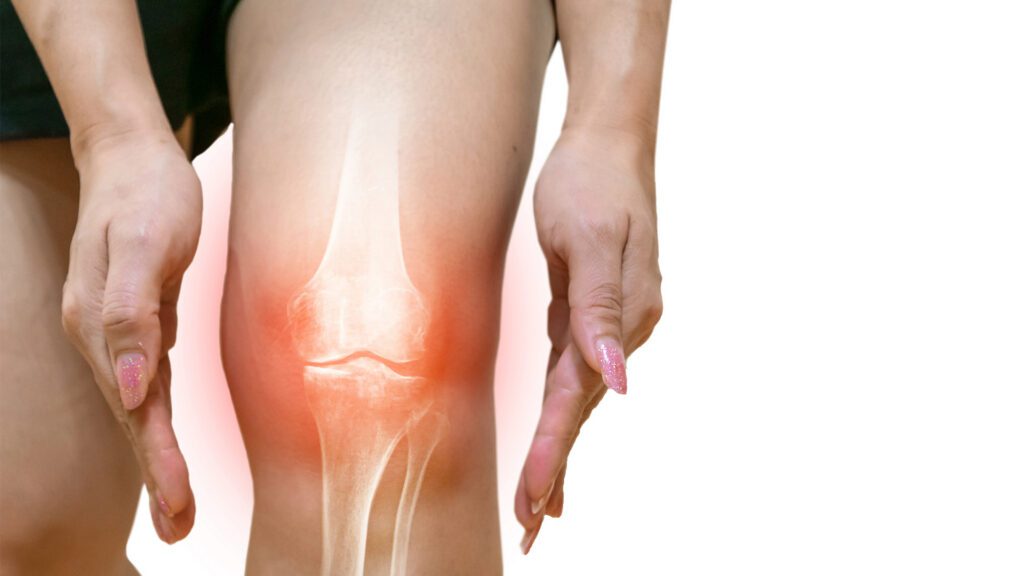
Movement – Correct exercise will help with pain and ensure that the site of surgery/injury heals well. Exercises that you find online could be good, but small changes such as how far you move or how often you do them can make a big difference. Work with your physical therapist to determine what exercises you should be doing and how frequently. Everyone is different and your program may change week to week.
Don’t take any kind of pain medication before physical therapy. You need the pain signal to be intact so that you and your physical therapist can determine which exercises are best for you and how to perform them.
Work with your physical therapist to find a way to get aerobic exercise as soon as possible. You may have one limb that is not working, but you could use a stationary air bike with movable arms with your three working limbs for example. If you can’t do weight bearing exercise, you could aqua jog or swim. You want to get back to exercise as soon as possible to avoid deconditioning, boredom, and even depression.
Lindsy B. Campbell, PT, DPT, Cert. MDT
Owner at Mission Valley Physical Therapy
(406) 883-6863
Any content, resident submissions, guest columns, advertisements, and advertorials are not necessarily endorsed by or represent the views of Best Version Media LLC (BVM) or any municipality, homeowners associations, businesses, or organizations that this publication serves. BVM is not responsible for the reliability, suitability, or timeliness of any content submitted, inclusive of materials generated or composed through artificial intelligence (AI). All content submitted is done so at the sole discretion of the submitting party.