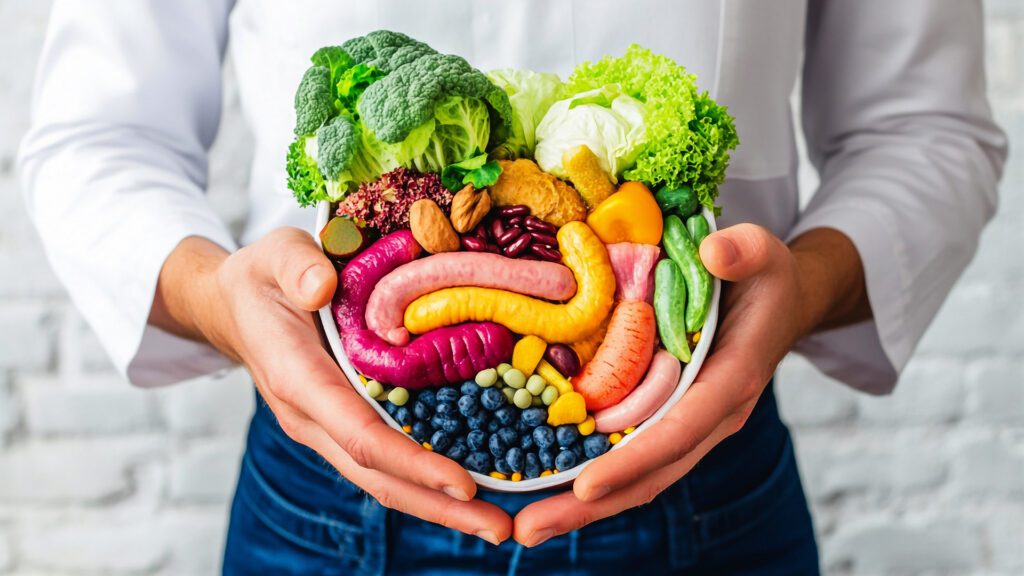
If you’ve been struggling with fatigue, bloating, brain fog, or persistent inflammation, the answer may not be where you think—it may lie in your gut.
Modern medicine has made remarkable progress in treating disease, but we are now beginning to understand something even more important: many chronic conditions start long before symptoms appear—deep within the gut.
The human gut is home to trillions of microorganisms, collectively known as the microbiome. These microbes do far more than aid digestion—they play a central role in training the immune system, regulating inflammation, and maintaining overall health.
Together with the gut barrier and immune system, the microbiome forms a powerful three-layer defense system. When these systems are balanced, they protect the body. When disrupted, they can contribute to a wide range of conditions, including autoimmune disease, metabolic disorders, cardiovascular disease, and chronic fatigue.
One of the most overlooked drivers of this imbalance is diet.
Despite growing awareness around nutrition, nearly 95% of Americans are deficient in fiber—one of the most essential nutrients for gut health. Fiber feeds beneficial gut bacteria, allowing them to produce compounds that reduce inflammation, strengthen the gut lining, and support immune function.
Without enough fiber, this protective system begins to weaken. The gut barrier becomes more permeable, allowing inflammatory signals to enter the bloodstream. Over time, this can lead to subtle but persistent symptoms such as low energy, digestive discomfort, and metabolic imbalance.
Modern lifestyles further amplify the problem. Highly processed foods, excess sugar, poor sleep, stress, and frequent antibiotic use all disrupt the delicate balance of the microbiome. Even short-term changes in diet can shift gut bacteria within days—for better or for worse.
In my practice, I often see that when we improve gut health, many other symptoms begin to improve as well.
The encouraging news is that small changes can have a powerful impact.
Start by increasing your intake of fiber-rich whole foods. Some of the most effective options include:
- Beans and lentils
- Oats and whole grains
- Fruits like berries, apples, and avocados
- Vegetables such as broccoli, spinach, carrots, and artichokes
- Nuts and seeds – especially chia seeds, flaxseeds, and almonds
In addition, incorporating fermented foods like yogurt, kefir, sauerkraut, or kimchi can help support beneficial bacteria in the gut. Healthy fats such as extra virgin olive oil, fatty fish like salmon, and nuts further support both gut and overall health. Equally important is diversity. Research shows that consuming a wide variety of plant-based foods—up to 30 different types per week—can significantly improve gut health. Think of it as feeding different types of beneficial bacteria.
Beyond diet, lifestyle plays a critical role. Prioritizing quality sleep, regular physical activity, stress management, and social connection all contribute to a healthier microbiome.
A Word of Caution:
While improving your diet is powerful, it’s important to introduce changes gradually. Be mindful of any food allergies or sensitivities, and avoid excessive intake of any one food or supplement. Balance is key—more is not always better. If you have underlying health conditions, consult with your healthcare provider before making significant dietary changes.
What Does This Mean for You?
It means that your daily choices—what you eat and how you live—have a direct and measurable impact on your health. In many cases, meaningful improvement can begin within days, not months.
At Dr. Saima Rashid’s medical practice, care is personalized, compassionate, and rooted in excellence. As a double board-certified physician in Internal and Geriatric Medicine, and a mother living here in Island Park, Long Island, Dr. Rashid brings both clinical expertise and real-life understanding to every patient she serves. By focusing on truly listening, uncovering root causes, and optimizing gut health, her goal is simple—to help patients achieve lasting health, not just temporary relief. The future of medicine is not just about treating disease—it’s about preventing it.
Any content, resident submissions, guest columns, advertisements, and advertorials are not necessarily endorsed by or represent the views of Best Version Media LLC (BVM) or any municipality, homeowners associations, businesses, or organizations that this publication serves. BVM is not responsible for the reliability, suitability, or timeliness of any content submitted, inclusive of materials generated or composed through artificial intelligence (AI). All content submitted is done so at the sole discretion of the submitting party.