Last time I introduced a bit about how Moon Dance Painting got started and why I’ve always cared about doing things the right way—especially when it comes to protecting families. I want to build on that, because one of the biggest differences between us and a typical painting company isn’t just the products we use—it’s how we approach the work itself.
A lot of homes here in Novato—and throughout Marin—were built before 1978. That’s an important date in my world, because anything built before then has a strong likelihood of containing lead-based paint somewhere in the layers. And when you’re repainting a home properly, you’re not just painting over the top—you’re often scraping, sanding, and prepping down to the surface. That process can disturb lead dust and paint chips if it’s not handled carefully.
For me, this isn’t just about following regulations—it’s about protecting people, especially kids. The EPA has guidelines in place, and we follow those, but we also go beyond them in many cases. The goal is simple: don’t make a mess, and don’t let harmful dust travel where it shouldn’t.
So what does that actually look like on a job site?
We contain everything. We lay down protective plastic, we control where debris goes, and we use specialized sanding equipment that vacuums dust as it’s created. That dust gets captured in a sealed system and disposed of properly—not left in your yard, not blown into your neighbor’s space, and definitely not tracked into your home.
One thing I’ve seen over the years is that shortcuts are common. For example, pressure washing a house with failing paint might seem efficient, but it’s basically like using a leaf blower—it spreads paint chips everywhere, and there’s no real way to control it. We don’t do that. We scrape first, clean carefully, and in many cases even wash surfaces by hand to keep everything contained and controlled.
Inside the home, we take a similar approach. Trim and doors are actually more likely to have older layers of paint, so anytime we’re sanding or prepping those areas, we treat them with the same level of care. Plastic barriers, proper filtration, and clean-up procedures are all part of the process.
And when there are young children in the home, we’ll often take an extra step—masking interior areas more thoroughly and doing detailed clean-up afterward to make sure there’s no residual dust left behind. That’s not always required anymore, but in my opinion, it’s still the right thing to do.
At the end of the day, being a “green” painting company isn’t just about using a certain label of paint. It’s about understanding the full impact of the work—from preparation to cleanup—and making choices that protect your home, your family, and your environment over the long term.
If you’re considering painting your home and want to understand what that process would look like done right, I’m always happy to walk you through it. Feel free to reach out for a free estimate—I’m glad to help.
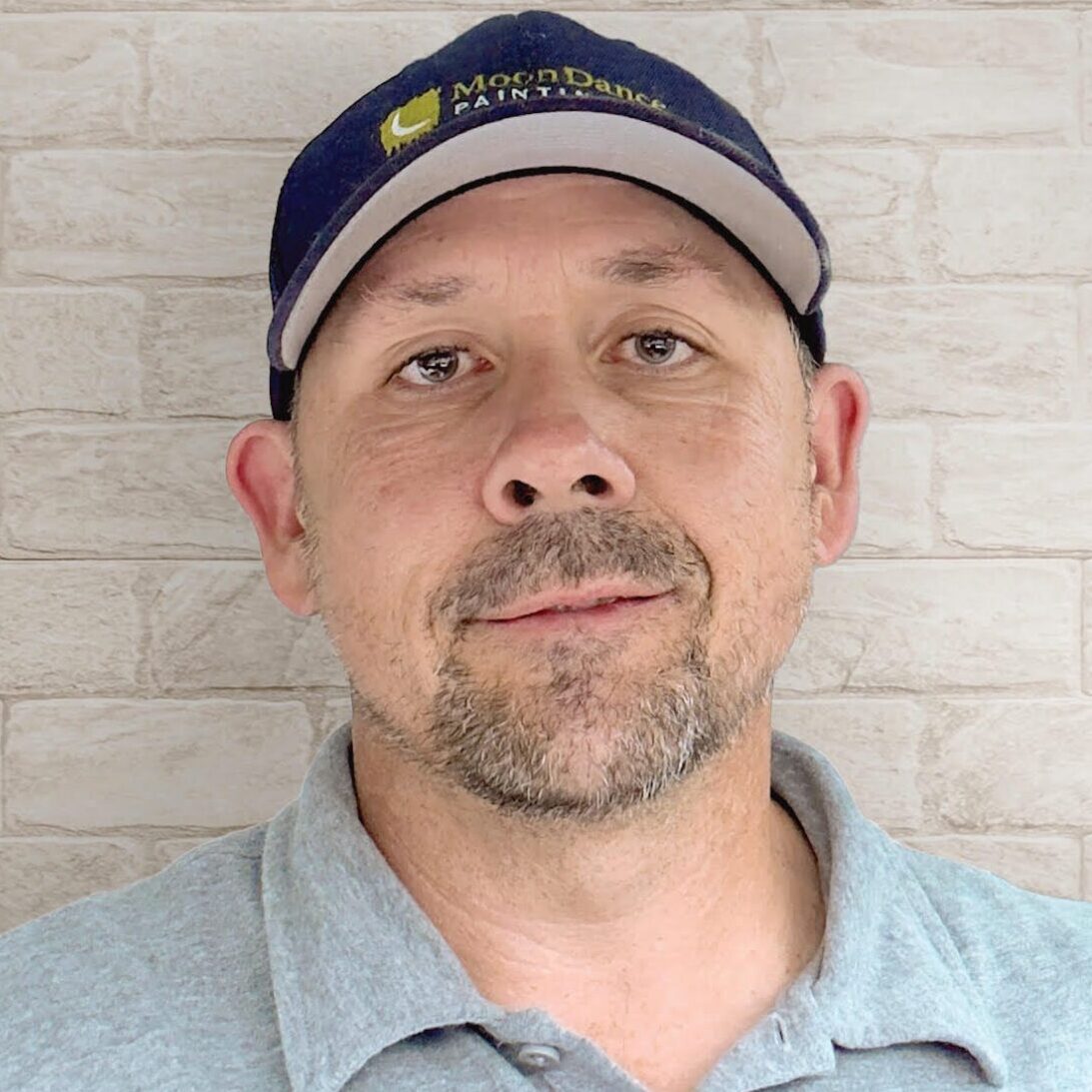
Steve Stiles is the founder of Moon Dance Painting, specializing in eco-friendly interior finishes and transformative kitchen cabinet updates. Ready to refresh your space? Contact Steve today at 925-383-4537for a free, personalized estimate.