For decades, I have sat with individuals and couples to map out their retirements. Almost without exception, there is a common theme:
“We’ll do more later.” Travel later. Spend more time with family later. Enjoy life more… later.
But over time, I have noticed something far more important emerge. Life doesn’t always follow that timeline. Health changes. Circumstances shift. Traveling becomes physically difficult. It’s heartbreaking when the concern is no longer about affordability. It becomes more personal: “Did we wait too long?”
Why Should You Care?
Because retirement is not just a financial event, it is a life event. Many people will spend 25 or 30 years in retirement.
They spend years working and saving, but far less time thinking about how those assets will be used. The assumption is that if the portfolio is large enough, everything will work out. The issue is not just whether you have enough. It is whether your plan is structured to use it at the right time.
A Better Way to Think About Spending
In the planning process, do not treat all spending the same. It is better to consider three distinct categories: core needs, lifestyle, and what I often refer to as “Big Wishes.”
- Core needs—housing, food, healthcare—must be protected. These expenses should be covered regardless of market conditions.
- Lifestyle spending reflects how you live day to day. It includes the things you enjoy, but it also carries flexibility. This is where adjustments can be made if needed.
- Then there are the Big Wishes—the experiences that define retirement. Travel, time with family, meaningful goals. These are often the things people delay, assuming there will always be time.
Using these buckets helps to secure the foundational needs of retirement, enjoy lifestyle comforts such as dining out, planning the next car purchase, etc. Finally, it allows you to think big. What fulfilling experiences have you deferred? Perhaps a boat trip on the Danube or a trip to Disney World with the family? It might also be making gifts to your children or grandchildren.
What I See Too Often
Many individuals enter retirement assuming they will gradually increase their spending and enjoy trips and other activities later in life. Then something changes. A health issue. A shift in mobility. Considering these possibilities, I would encourage one to consider an alternative concept:
“Should we move these experiences and gifting forward?”
In many cases, the answer is yes. But only if the plan—and the portfolio—are built to support it.
Where Asset Allocation Becomes Critical
This is where many plans can fail. It is common to see portfolios that are either too aggressive or too conservative. An overly aggressive portfolio can expose retirees to significant losses early in retirement, especially when withdrawals happen at the same time, causing losses that can become permanent and seriously affect long-term sustainability.
On the other hand, a portfolio that is too conservative may feel safe in the short term but can quietly lose ground over time. Inflation erodes purchasing power, and without sufficient growth, a portfolio may not support a 25- or 30-year retirement. The goal is to align the portfolio with when the money will be needed.
Building for a 25+ Year Retirement
A properly structured portfolio reflects this alignment.
The foundation is built soundly by making prudent choices regarding retirement plan benefits and Social Security, and supplemented by stable, liquid assets designed to fund spending during periods of market volatility. This reduces the need to sell long-term investments at unfavorable times.
Intermediate and long-term investments are designed to deliver balance, stability, and growth to help smooth out returns, preserve purchasing power, and sustain the portfolio over decades. When this structure is in place, the portfolio can better support both income and flexibility, even in uncertain markets.
How the Plan Holds Together
Even with proper allocation, flexibility remains crucial. Instead of assuming spending stays the same, I recommend adding guardrails that enable thoughtful adjustments. In stronger markets, there may be chances to spend more. In weaker markets, spending can be temporarily reduced. However, core needs should stay protected. Based on my experience, this approach reflects actual behavior and allows the plan to adapt over time without risking long-term stability.
Final Thought
Over 40 years, I have seen that the most successful retirements are those where people use their resources intentionally at the right time in their lives. The greatest risk is not market volatility. Rather, it is not living your best life. Information and planning are powerful. It is your life. The question is not just whether you can afford to do these things, it is whether your plan—and your portfolio—are designed to allow you to do them while you still can.
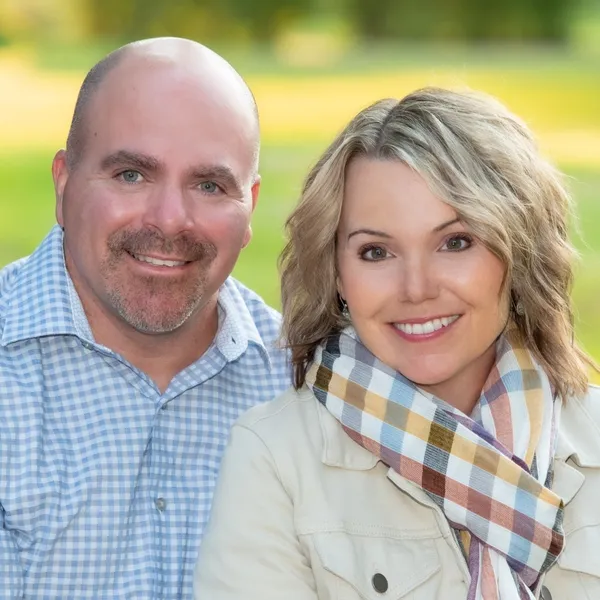
Nicholas A. Nicolette, CFP® is one of the founders of Sterling Financial Planning, Inc., which started in Sparta 34 years ago. A CFP® professional since 1984, he has presented on Financial Planning topics throughout the world. Nick served as the 2007 President of the Financial Planning Association. In that capacity, he testified before the Special Committee on Aging in the U.S. Senate on the protection of seniors regarding their money. In 2011, he received the Heart of Financial Planning Award from both the National FPA and FPA-New Jersey. www.sterlingadvice.com
Any content, resident submissions, guest columns, advertisements, and advertorials are not necessarily endorsed by or represent the views of Best Version Media LLC (BVM) or any municipality, homeowners associations, businesses, or organizations that this publication serves. BVM is not responsible for the reliability, suitability, or timeliness of any content submitted, inclusive of materials generated or composed through artificial intelligence (AI). All content submitted is done so at the sole discretion of the submitting party.