Modern parenthood involves responsibilities that extend far beyond childcare and careers. For many families, the greatest source of exhaustion is not physical labor but the ongoing mental responsibility required to manage a household. This invisible burden, often called the mental load, has become a defining challenge for working parents, especially mothers.
The mental load includes constant planning, organizing, remembering, and anticipating daily needs. Parents manage schedules, coordinate responsibilities, maintain routines, and ensure important tasks are not forgotten. Unlike physical chores, this cognitive labor continues even during rest, creating a persistent sense of responsibility.
Household management requires far more than visible tasks like laundry or dishes. It involves decision-making, prioritization, and long-term planning. Parents track supplies, anticipate events, coordinate cleaning schedules, and maintain environments that support health and comfort. Research consistently shows mothers often carry the majority of this cognitive responsibility, even in households where physical chores are shared. Because this work is largely invisible, it is frequently underestimated despite being mentally exhausting.
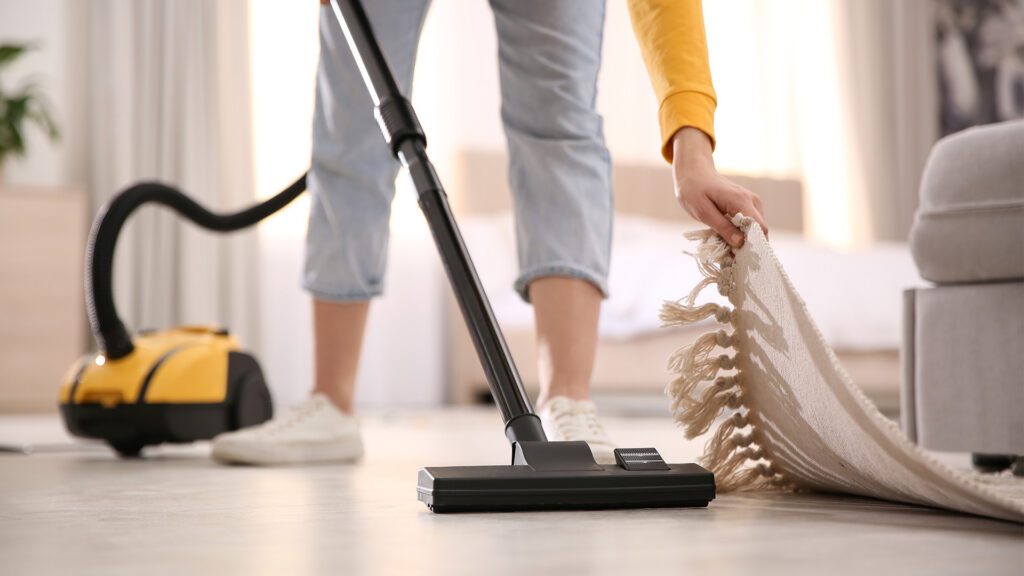
Cleaning plays a major role in household mental load. Maintaining a clean home requires constant monitoring and repeated decisions about what needs attention and when. When cleaning falls behind, clutter accumulates, which studies in environmental psychology associate with increased stress, reduced focus, and feelings of overwhelm. Parents often sacrifice personal rest to restore order, reinforcing a cycle of stress and exhaustion.
Parental burnout is increasingly recognized as a serious issue. Balancing careers, childcare, emotional labor, and household management leaves many parents without adequate recovery time. Mental load contributes to burnout through decision fatigue, reduced rest, emotional strain, difficulty separating work from home life, and tension caused by uneven responsibility distribution.
As a result, many families now view professional cleaning services as practical support rather than luxury spending. Outsourcing cleaning removes not only physical labor but also the planning and scheduling tied to household upkeep. Professional cleaners handle maintenance and sanitation, reducing the number of decisions parents must make each week.
Delegating cleaning responsibilities can lower stress, improve focus, increase relationship satisfaction, and create more time for family interaction and self-care. Rather than signaling inability, outsourcing reflects a strategic redistribution of labor that acknowledges time and energy as limited resources.
Ultimately, the goal is not perfection but creating a home environment that supports wellbeing, reduces burnout, and allows families to focus on connection, balance, and sustainable routines.
Any content, resident submissions, guest columns, advertisements, and advertorials are not necessarily endorsed by or represent the views of Best Version Media LLC (BVM) or any municipality, homeowners associations, businesses, or organizations that this publication serves. BVM is not responsible for the reliability, suitability, or timeliness of any content submitted, inclusive of materials generated or composed through artificial intelligence (AI). All content submitted is done so at the sole discretion of the submitting party.