In today’s fast-paced world, discussions about health often focus on nutrition, exercise, and mental wellness—but one major factor is frequently overlooked: the state of our living environment. A clean and organized home is more than cosmetic; it directly affects mental clarity, emotional balance, productivity, and family interactions.
Our brains constantly process visual information, and clutter creates what psychologists call “visual noise.” Crowded countertops, piles of laundry, or unfinished tasks act as constant reminders, triggering low-level stress and mental fatigue. Even during downtime, these cues prevent relaxation, while a tidy environment allows the brain to shift into a calmer, more restorative state.
Clutter also contributes to decision fatigue. Each disorganized space forces countless micro-decisions—finding keys, choosing which task to tackle, or determining where items belong. These small decisions drain mental energy that could otherwise go toward meaningful priorities, like work, hobbies, or family engagement. Organized spaces reduce unnecessary choices, freeing cognitive resources and improving efficiency.
Clean environments also boost productivity. Research shows that orderly spaces improve concentration, motivation, and task completion. In modern homes that double as offices, classrooms, and family hubs, a maintained environment supports focus during remote work, enhances children’s learning, encourages daily routines, and fosters a sense of control.
The emotional impact of a clean home extends to family dynamics. Disorganization can trigger tension, frustration, or conflict, while tidy, functional spaces promote calm, cooperation, and emotional security. Children particularly benefit from predictable environments that support routine and behavioral regulation. Importantly, a clean home doesn’t mean perfection—it means stability, a place where family members can recharge rather than feel burdened.
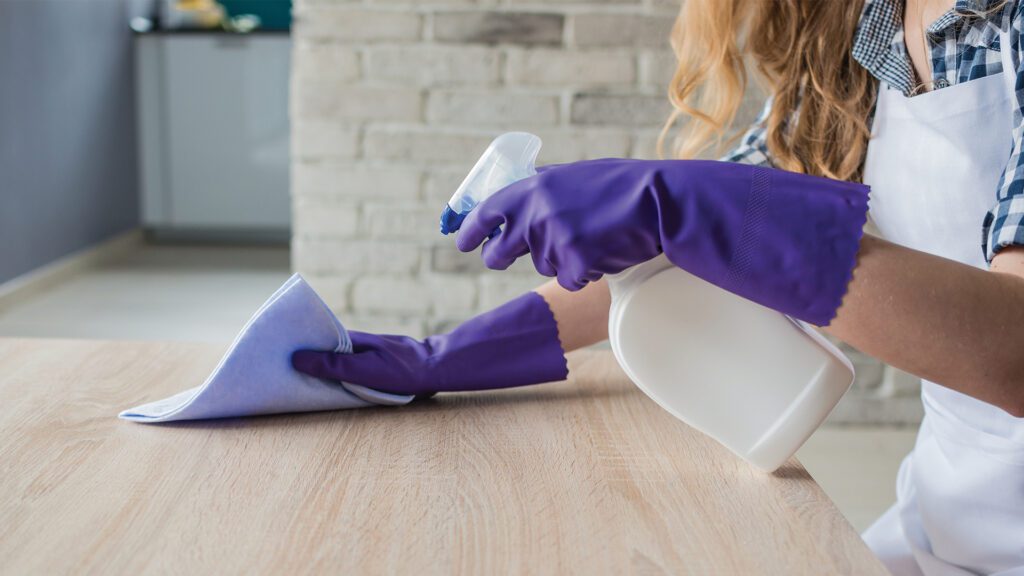
Cleaning itself can reduce stress, as structured, repetitive tasks create a sense of accomplishment and control. However, when cleaning becomes overwhelming, it can contribute to burnout, which is why many households now view professional maintenance as practical support for mental wellbeing.
Ultimately, cleanliness should be reframed as a tool for health, not just presentation. Small, sustainable habits—like maintaining clear surfaces, establishing daily reset routines, reducing excess belongings, and scheduling regular maintenance—can make a significant difference.
Our homes shape how we think, feel, and interact. By keeping spaces organized, we reduce stress, increase productivity, and foster healthier relationships. A clean home isn’t just tidy—it’s a foundation for clarity, connection, and intentional living.
Any content, resident submissions, guest columns, advertisements, and advertorials are not necessarily endorsed by or represent the views of Best Version Media LLC (BVM) or any municipality, homeowners associations, businesses, or organizations that this publication serves. BVM is not responsible for the reliability, suitability, or timeliness of any content submitted, inclusive of materials generated or composed through artificial intelligence (AI). All content submitted is done so at the sole discretion of the submitting party.