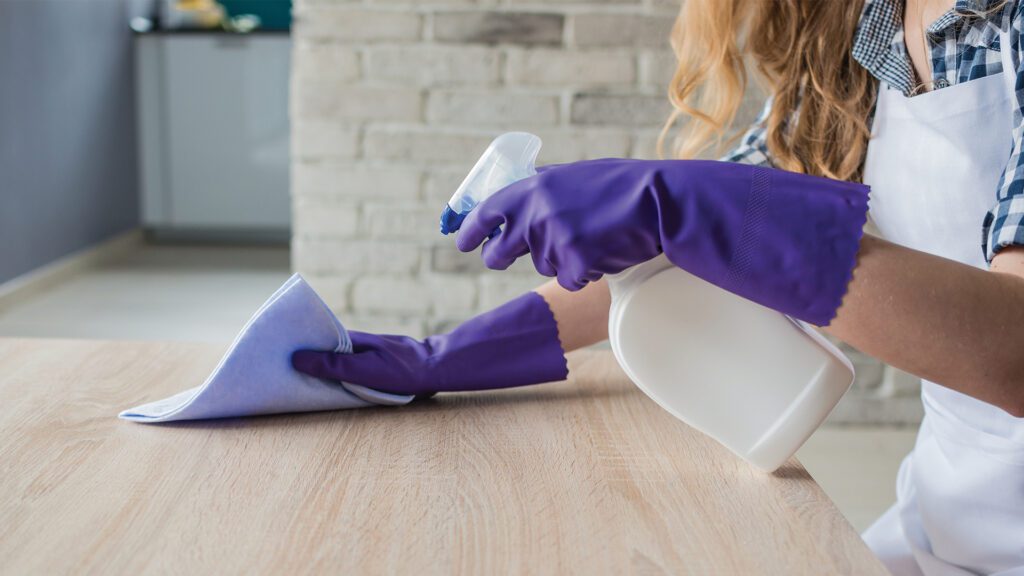
A clean home is often associated with comfort, productivity, and peace of mind. Yet many homeowners unknowingly make cleaning mistakes that not only waste time and money but can also damage surfaces, reduce effectiveness, and even create health risks. Professional cleaners frequently notice that the issue isn’t effort but technique. Understanding how to clean properly makes a significant difference in results, efficiency, and long-term home care. Below are some of the most common cleaning mistakes homeowners make without realizing it.
Overusing Cleaning Products
One of the biggest misconceptions in household cleaning is that more product equals a deeper clean. In reality, it’s the opposite. Excess product leaves behind residue that attracts dust, dirt, and bacteria faster. Floors appear cloudy, countertops feel sticky, and glass surfaces streak despite repeated wiping. Soap buildup can dull finishes on hardwood, tile, and stainless steel. Professional cleaning relies on proper dilution ratios. Most products are designed to work effectively in small amounts, allowing surfaces to dry clean rather than coated.
Mixing Chemicals Without Understanding the Risks
Many homeowners unintentionally create dangerous chemical reactions by combining products in an attempt to disinfect thoroughly. Combinations such as bleach with ammonia or acidic cleaners can release toxic gases that irritate the lungs, eyes, and skin. Even mixing different branded cleaners can neutralize effectiveness or create harmful fumes. Safe cleaning practices require using one product at a time and allowing surfaces to be rinsed or wiped before introducing another solution. Cleaning should improve indoor air quality, not compromise it.
Cleaning in the Wrong Order
Cleaning sequence matters more than most people realize. A common mistake is vacuuming or mopping floors first, only to dust afterward. When surfaces above are cleaned last, dust and debris fall onto freshly cleaned floors, creating unnecessary repeat work. Professionals follow a top-to-bottom, dry-to-wet approach, systematically reducing effort while maximizing efficiency:
- Ceiling fans and high surfaces first
- Furniture and countertops next
- Floors last
Sanitizing Incorrectly
Disinfecting products require dwell time to effectively kill bacteria and viruses. A common mistake is spraying and immediately wiping. While the surface may look clean, it isn’t properly sanitized.
Each disinfectant has specific instructions, often requiring several minutes of contact time. Skipping this step reduces effectiveness and creates a false sense of cleanliness. Cleaning removes dirt; Sanitizing reduces germs; Disinfecting kills microorganisms but only when used correctly.
Using the Same Tools Throughout the Home
Using one rag, sponge, or mop across multiple rooms spreads bacteria rather than removing it. Kitchens, bathrooms, and living areas contain different types of contaminants that should remain separated.
Professional cleaners utilize color-coded cloth systems or designated tools to prevent cross-contamination between spaces. Replacing or properly laundering cleaning tools is just as important as cleaning itself.
Neglecting High-Touch but Hidden Areas
Homeowners often focus on visible messes while overlooking frequently touched surfaces such as light switches,door handles, remote controls, cabinet pulls and appliance buttons. These areas accumulate bacteria quickly despite appearing clean, making routine attention essential for maintaining a hygienic environment.
The Bigger Picture: Cleaning Smarter, Not Harder
Effective cleaning is less about intensity and more about knowledge, systems, and consistency. When done correctly, cleaning protects home materials, supports healthier living conditions, and reduces long-term maintenance costs. Professional cleaning standards emphasize efficiency, safety, and preservation principles homeowners can adopt in their daily routines. A truly clean home isn’t achieved through more effort, but through informed habits that work with the home rather than against it.
Any content, resident submissions, guest columns, advertisements, and advertorials are not necessarily endorsed by or represent the views of Best Version Media LLC (BVM) or any municipality, homeowners associations, businesses, or organizations that this publication serves. BVM is not responsible for the reliability, suitability, or timeliness of any content submitted, inclusive of materials generated or composed through artificial intelligence (AI). All content submitted is done so at the sole discretion of the submitting party.