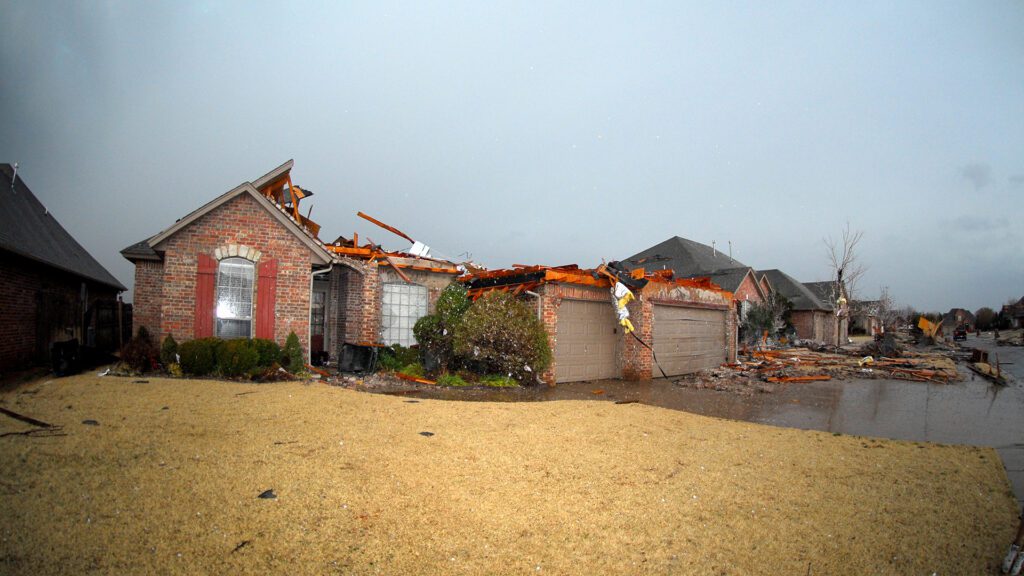
Disaster rarely gives you a warning. Whether it’s a tornado, flood, hailstorm or winter ice event, extreme weather has become a reality for our community. From Hurricane Ike in 2008 to the Memorial Day tornadoes in 2019 and the ice storm of 2021, we’ve seen firsthand how quickly things can change.
Preparation isn’t optional; it’s essential.
Start With a Plan
Every household should have a simple, clear plan in place. Talk through how your family will communicate, if cell service is down. Identify safe areas in your home, and map out evacuation routes. These can make all the difference in a high stress moment.
Build a Reliable Emergency Kit
When disaster strikes, stores may be closed—or empty. Having supplies ready can help you stay safe and self-sufficient. At a minimum, keep:
- Nonperishable food and drinking water for several days
- A battery powered or hand crank radio
- Flashlights with extra batteries
- A first aid kit and essential medications
- Cash (as ATMs and card systems may be unavailable)
- Blankets and warm clothing
It’s also smart to create a “go bag,” with critical items like important documents, spare keys, copies of credit cards and emergency contacts. A tarp can also be a lifesaver, temporarily protecting your home from further damage after a storm.
Document What You Own
If you need to file an insurance claim, documentation is everything. Take photos or videos of your home—inside and out—and keep records of major purchases. Don’t forget vehicles, tools or equipment stored outdoors.
Store these records somewhere safe and accessible, such as a secure cloud service. Even if your home is damaged, your information won’t be lost.
Know Your Insurance Coverage
Insurance policies aren’t “set it and forget it.” Review yours at least annually, to make sure you’re properly covered. Talk with your agent about what is—and isn’t—included, especially when it comes to storm damage and liability. Understanding your coverage ahead of time can save you significant stress later.
After the Storm: The Right First Steps
Once it’s safe, your focus should shift to documentation and communication:
- Contact your insurance provider as soon as possible.
- Take photos and videos of all damage.
- Keep records of every conversation and expense.
If your home is unsafe, shut off utilities like gas, water or electricity. While it’s tempting to start fixing things immediately, avoid making permanent repairs until your insurance company approves them.
Choosing a Contractor You Can Trust
Contractors often flood disaster areas; but not all of them are reliable. Don’t feel pressured into quick decisions.
Be cautious of anyone who:
- Asks you to sign paperwork giving them control over your insurance claim
- Pushes for large upfront payments
- Lacks proper licensing or insurance
Instead, look for reputable, established professionals. Organizations like the Better Business Bureau can help you find trusted local contractors with verified track records.
Be Ready Before You Need It
Preparation isn’t about fear; it’s about confidence. Taking a few proactive steps today can protect your home, your finances and your peace of mind tomorrow.
For additional resources and up-to-date guidance, visit ready.gov, the U.S. Department of Homeland Security’s official disaster preparedness website. Need additional advice that you can trust? Contact Solid Rock Roofing, at 937-435-4646 or solidrockroofing.com.
Any content, resident submissions, guest columns, advertisements, and advertorials are not necessarily endorsed by or represent the views of Best Version Media LLC (BVM) or any municipality, homeowners associations, businesses, or organizations that this publication serves. BVM is not responsible for the reliability, suitability, or timeliness of any content submitted, inclusive of materials generated or composed through artificial intelligence (AI). All content submitted is done so at the sole discretion of the submitting party.