The backyard gas fire pit has become one of the most popular outdoor living additions for homeowners over the past decade — and for good reason. Compared to wood-burning alternatives, gas fire pits offer convenience, cleaner operation, and consistent performance without the hassle of sourcing and storing firewood. If you’re researching options, understanding the components that go into a quality installation is a great place to start.
The Burner: The Heart of the System
The burner is what determines flame quality, coverage, and longevity. Firegear manufactures a range of burner styles — linear, round, drop-in — each suited to different pit shapes and design preferences. These burners are constructed from Stainless Steel, or Brass, which handle repeated heat cycling and outdoor exposure significantly better than lower-grade materials. Choosing the right burner size for your pit dimensions is important, as an undersized burner in a large pit will produce a disappointing flame that doesn’t effectively fill the space.

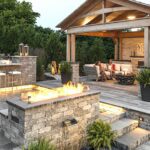
(Photos provided by The Brickyard)
Ignition and Controls: Safety and Convenience
Firegear offers several ignition and control options ranging from basic manual systems to fully electronic push-button and remote-operated systems. For most homeowners, an electronic ignition system is worth the additional investment — it eliminates the need for a match or lighter near an open gas valve, which is a meaningful safety consideration. Some Firegear control systems are also compatible with smart home platforms, allowing remote operation or integration with a home automation system.
Fuel Options and Utility Considerations
Firegear burners are available in both natural gas and propane configurations. Natural gas is generally more convenient for permanent installations since it connects directly to your home’s existing gas line, eliminating the need to monitor and refill propane tanks. Your local utility provider and a licensed gas plumber can assess whether your existing line capacity is sufficient for the added load.
A Few Things Worth Knowing Before You Build
Most municipalities require a permit for permanent gas fire pit installations. BTU output, setback distances from structures, and wind exposure are all practical factors worth discussing with your installer before finalizing your design.
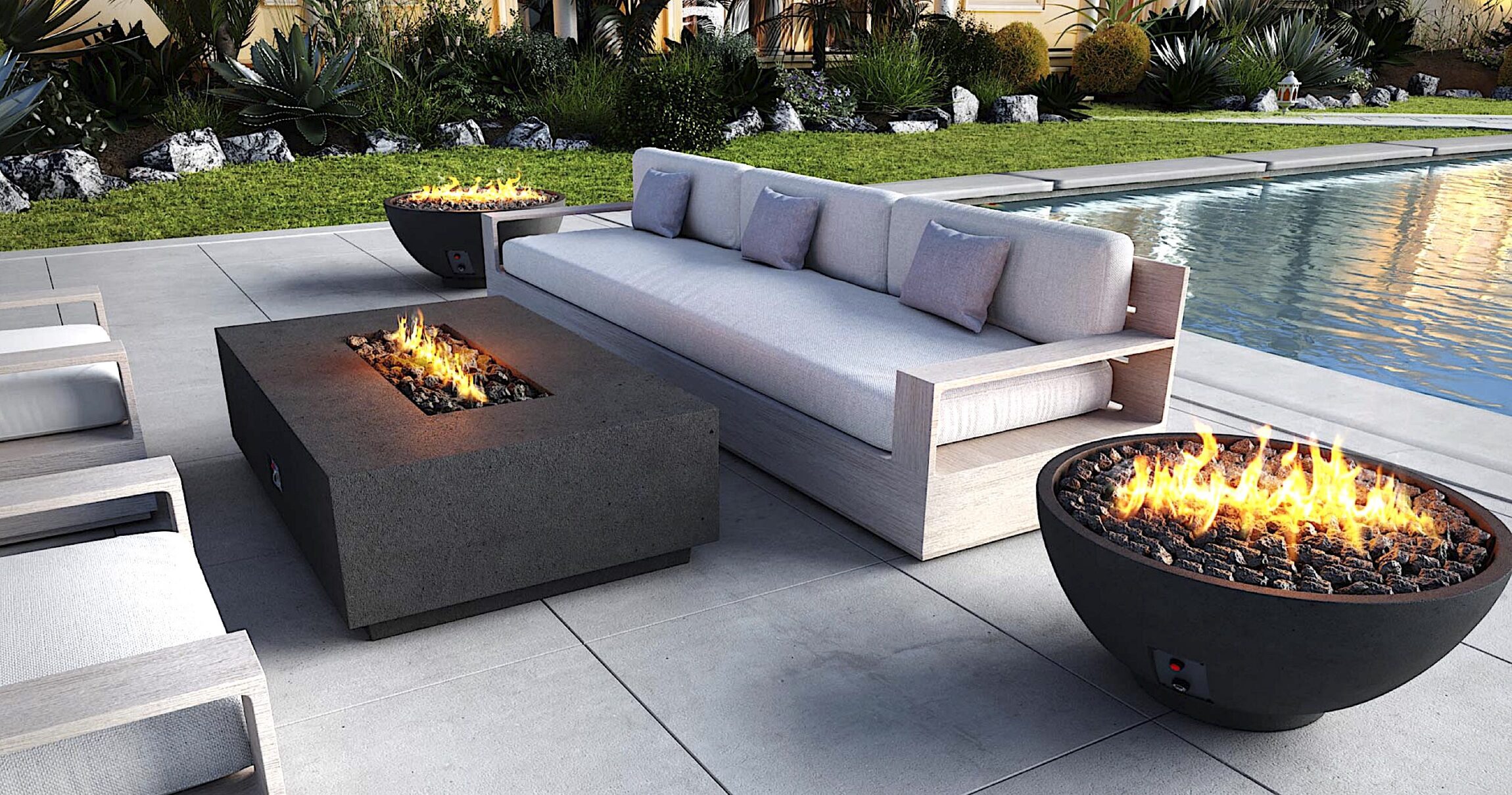
(Photos provided by The Brickyard)
Visit Our Website: www.thebrickyardwi.com or Call us at 414-481-9600
Leading distributor of brick, cultured stone, pavers, retaining walls and other structural construction
(414) 481-9600
Any content, resident submissions, guest columns, advertisements, and advertorials are not necessarily endorsed by or represent the views of Best Version Media LLC (BVM) or any municipality, homeowners associations, businesses, or organizations that this publication serves. BVM is not responsible for the reliability, suitability, or timeliness of any content submitted, inclusive of materials generated or composed through artificial intelligence (AI). All content submitted is done so at the sole discretion of the submitting party.