Every year on April 22, millions of people around the world celebrate Earth Day to raise awareness about environmental protection. The holiday began in the United States in 1970 and has since grown into a global movement that encourages people to care for the planet. Earth Day also helped inspire many environmental practices, including recycling, conservation, and pollution reduction.
The idea for Earth Day was created by Gaylord Nelson, a U.S. senator from Wisconsin who was concerned about growing environmental damage. During the 1960s, pollution from factories, cars, and chemicals was becoming a major problem across the country. Oil spills, smog, and contaminated rivers were harming wildlife and human health. Nelson wanted to create a national event that would educate the public and push leaders to take environmental protection more seriously.
Inspired by student protests happening across the country at the time, Nelson organized a nationwide environmental teach-in on April 22, 1970. With the help of activist Denis Hayes, the event quickly gained momentum. Approximately 20 million Americans participated in rallies, educational events, and community cleanups. The success of the first Earth Day helped spark major environmental legislation in the United States, including the creation of the United States Environmental Protection Agency and the passage of laws such as the Clean Air Act and the Clean Water Act.
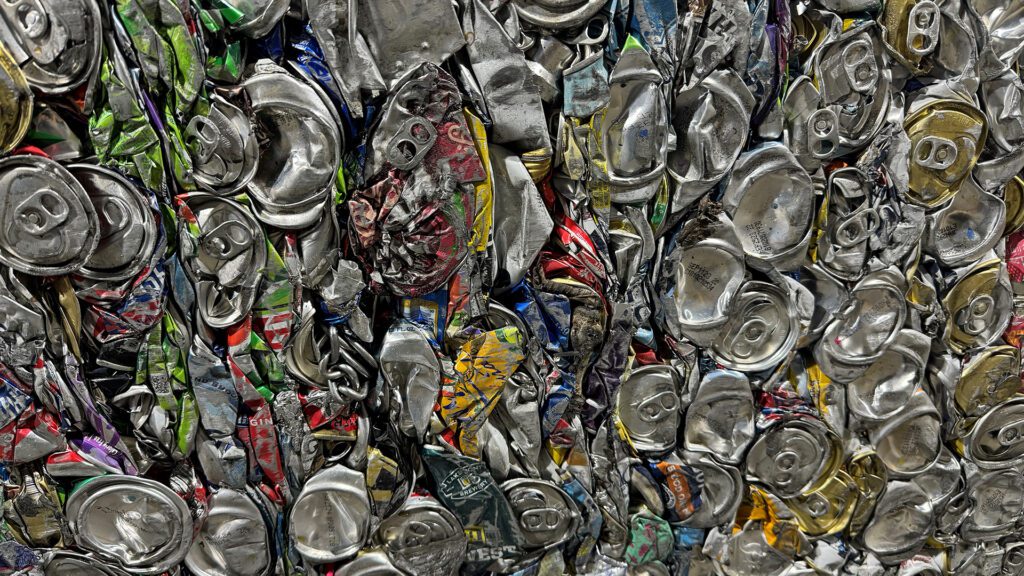
One of the most important environmental practices promoted by Earth Day is recycling. Recycling involves collecting and processing used materials such as paper, plastic, and metal so they can be turned into new products instead of being thrown away. This process helps reduce waste in landfills, conserve natural resources, and save energy.
Recycling benefits many different groups. First, it helps the environment by reducing pollution and conserving raw materials like trees, oil, and metals. When products are recycled instead of made from new materials, fewer natural resources must be extracted from the Earth. Recycling also helps protect wildlife habitats by reducing the need for mining, drilling, and deforestation.
Second, recycling benefits communities and local economies. Recycling programs create jobs in collection, sorting, processing, and manufacturing. Workers at recycling centers, transportation companies, and manufacturing plants all play a role in turning waste into valuable materials.
Finally, recycling benefits future generations by promoting sustainable living. By reducing waste and conserving resources, recycling helps ensure that the planet’s natural materials remain available for years to come. Earth Day reminds people that small actions—like recycling, reducing waste, and conserving energy—can make a big difference in protecting the Earth.
Any content, resident submissions, guest columns, advertisements, and advertorials are not necessarily endorsed by or represent the views of Best Version Media LLC (BVM) or any municipality, homeowners associations, businesses, or organizations that this publication serves. BVM is not responsible for the reliability, suitability, or timeliness of any content submitted, inclusive of materials generated or composed through artificial intelligence (AI). All content submitted is done so at the sole discretion of the submitting party.