Hello Kingsmill! Are you ready to continue our journey into holistic and natural pathways to healing? Last month, we delved into fluid and electrical systems and discussed the modalities that primarily address those pathways. For this month’s health focus, we are diving into natural and osteopathic modalities that affect one of the most important systems of the body, our structural system. This includes the skeleton, muscles, tendons and fascia; the structures that translate force and allow for movement. Many holistic modalities focus specifically on this system to relieve pain, restore movement, and improve function throughout the body.
Structural System Modalities
Dry needling
Dry needling involves a thin, solid filiform needle being inserted directly into a soft tissue adhesion, or “knot”, usually causing a muscle spasm response. It can be effective to release acute pain, in localized areas, like tennis elbow. Newer, fresher injuries typically respond better than older ones. It does break the skin barrier and can have bleeding risk.
Chiropractic Treatment
Chiropractors use hands-on spinal adjustment/manipulation to address mechanical disorders of the spine. This involves the application of controlled force to increase range of motion, often resulting in a cracking or popping sound. These techniques are commonly sought to treat neck pain, tension headaches, sciatica and whiplash. Treatment may have to be repeated regularly to maintain results.
Myofascial release
MFR is a physical therapy technique that applies gentle, sustained pressure to restricted fascia (the bodies primary connective tissue) to eliminate pain and improve range of motion. By targeting the fascia, therapists help it to “melt” or soften, and may use balls, hands, or specialized tools. Pelvic floor issues, sciatica, and spinal misalignment issues respond well to MFR.
Fascial remodeling / Fasciablasting
Fascial remodeling is a manual therapy technique pioneered by Ashley Black, the creator of the fascia blasters. Using clawed tools to “comb” the fascia, practitioners can access the deepest tissue restrictions, treating adhered scar tissue, chronic pain from systemic injury and distortion, and correcting postural deformity. The tools are also used to improve the appearance of wrinkles, cellulite, and stretch marks. Small red spots/bruises are normal as blood flow rehydrates stuck tissue.
Counterstrain / Fascial counter strain
Initial theories of counterstrain technique were developed by Lawrence Jones in 1955 to treat musculoskeletal pain by relaxing muscle spasms. Modern practitioners follow the theories of Brian Tuckey, who developed over 200 techniques to treat a variety of fascial system inflammations throughout the body’s various systems. It involves holding a patient in a position of ease to slacken the tissue and relieve tender points. This approach treats muscles and other systems including the vascular, nervous, and lymphatic system.
Scraping therapy
Scraping, also known as instrument-assisted soft tissue mobilization (IASTM), involves using a smooth-edged tool usually made from medical grade stainless steel to scrape the skin to improve blood flow, promote muscle relaxation, and break down scar tissue. It can be effective for Achilles Tendonitis, heel pain, and Plantar Fasciitis, as well as post-surgical scar tissue.
Massage
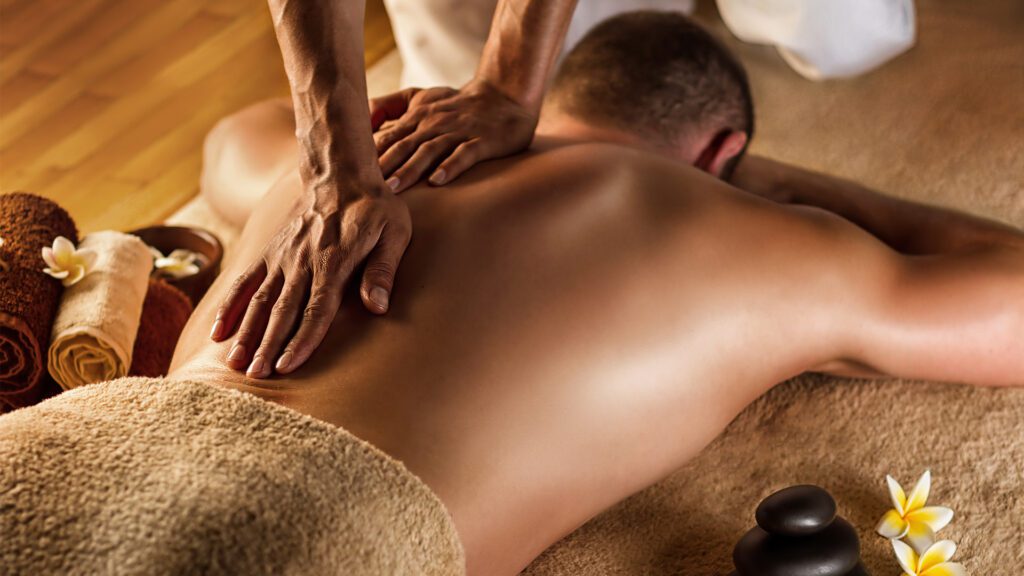
During a massage, a therapist will work on specific areas using oils and lotions, combining various strokes to achieve adequate pressure to release muscle tension. There are various types of massage, from relaxing Swedish, deep tissue for chronic pain, sports massage for athletes, to unique styles such as Shiatsu (Japanese pressure points) and Thai massage (yoga-like stretches). Each offers different pressure levels and myriad benefits, including relaxation, sports recovery, and pain relief.
Whichever modality you select, it is important to remember that every clinician will have a different background and training. Some clinicians combine multiple techniques into a “toolbox” of sorts. You might try several different things before finding what works best for you and your needs. When you find the right match, holistic modalities can completely change your quality of life!
It was a pleasure taking this journey with you. Until next time, Kingsmill, stay well!
For more information, call 757-503-9665 or visit www.fascialtxctr.com.
Any content, resident submissions, guest columns, advertisements, and advertorials are not necessarily endorsed by or represent the views of Best Version Media LLC (BVM) or any municipality, homeowners associations, businesses, or organizations that this publication serves. BVM is not responsible for the reliability, suitability, or timeliness of any content submitted, inclusive of materials generated or composed through artificial intelligence (AI). All content submitted is done so at the sole discretion of the submitting party.