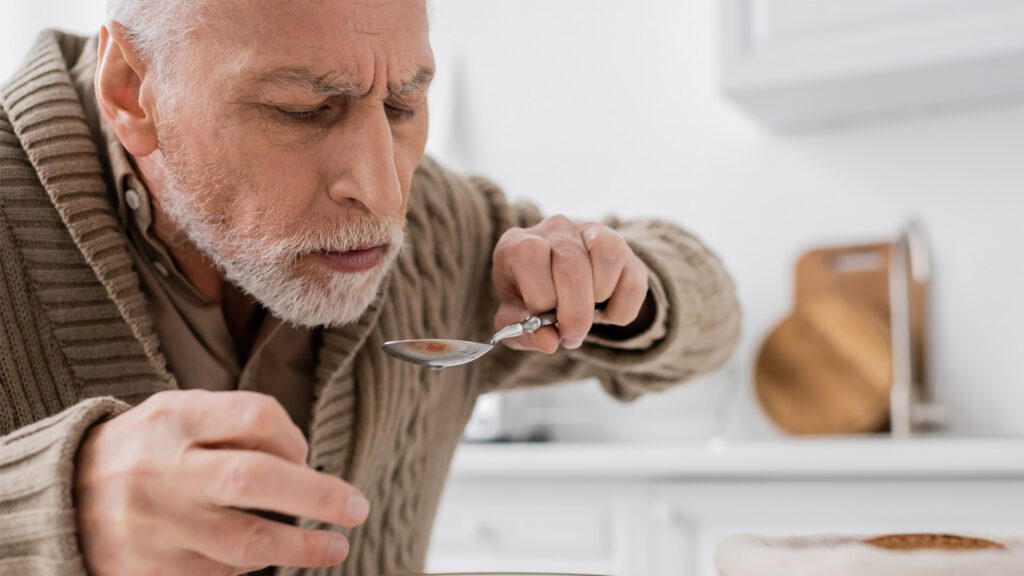
For older adults that live alone, managing a diagnosis like Parkinson’s disease (PD) presents unique challenges. PD is a progressive neurological disorder that primarily affects movement, but it can also impair cognition. A solo ager recently informed of a PD diagnosis might expect to be moving to an assisted living community right away. However, depending on the extent of their impairment, they may be able to continue living alone longer than expected.
Understanding and Adapting to PD Challenges
The journey begins with recognizing the specific ways that PD affects movement (i.e., tremors, stiffness, slowing of movement, and changes in memory and processing speed). As with any diagnosis, acknowledging that these changes will happen is an important first step in planning for the future.
Adjustments in living environments and routines, particularly focusing on exercise and diet, can significantly impact quality of life. Tailored exercises like yoga, tai chi, or even boxing, can enhance flexibility and balance, while a diet rich in fiber can combat PD-related digestive issues.
Creating a Safe Living Space for Better Mobility
Older adults may already have made home modifications to accommodate their changing needs or mobility. These adaptations are especially important for someone living with PD. Adapting the home should include:
- Removing potential trip hazards like loose rugs and clutter.
- Ensuring rooms, hallways, and entries are well lit.
- Installing grab bars in critical areas like the bathroom.
- Switching to lever-style door handles and adaptive kitchen tools.
Technology can help with safety. For example, a personal emergency response system (PERS) can be a lifesaver, providing the means to call for help at the press of a button. Pill organizers and electronic reminders can help manage the strict medication schedules that PD often necessitates. Wearables that track health data and smart home devices may also prove useful.
Building a Support Network When Aging Solo With PD
Support groups can provide both emotional support and practical advice, helping participants navigate the complexities of the disease. Seeing a therapist or relying on friends, loved ones, or the senior’s faith community for help and encouragement is equally important. The Parkinson’s Foundation has a free PD Solo Network for those diagnosed with Parkinson’s disease who live alone. Additionally, home health aides or in-home care services can assist with personal care and household tasks, reducing the strain and risk associated with daily activities.
Aging With PD: Preparing for the Future
As independence becomes more challenging, having legal and medical directives in place becomes essential. Anyone living with PD should prioritize having health care power of attorney and financial power of attorney documents completed. A living will articulate one’s wishes regarding medical treatment in various scenarios, including preferences regarding the use of life support. An elder law attorney can help prepare these documents. Further, organizing and securely storing all important documents, insurance policies, personal IDs, etc., is a great help for both the person living with PD and their designated proxies.
If you are a solo ager with a recent PD diagnosis, organizations like the Parkinson’s Foundation and the Michael J. Fox Foundation are invaluable resources. They offer up-to-date information and connections to information and support services.
Now is also a good time to start thinking about when in-home help may be needed, or when living alone may no longer be viable. Right at Home’s trained in-home care experts can help manage Parkinson’s disease symptoms. Call 562-653-4480 or visit www.rightathome.net/northwest-orange-county.
Any content, resident submissions, guest columns, advertisements, and advertorials are not necessarily endorsed by or represent the views of Best Version Media LLC (BVM) or any municipality, homeowners associations, businesses, or organizations that this publication serves. BVM is not responsible for the reliability, suitability, or timeliness of any content submitted, inclusive of materials generated or composed through artificial intelligence (AI). All content submitted is done so at the sole discretion of the submitting party.