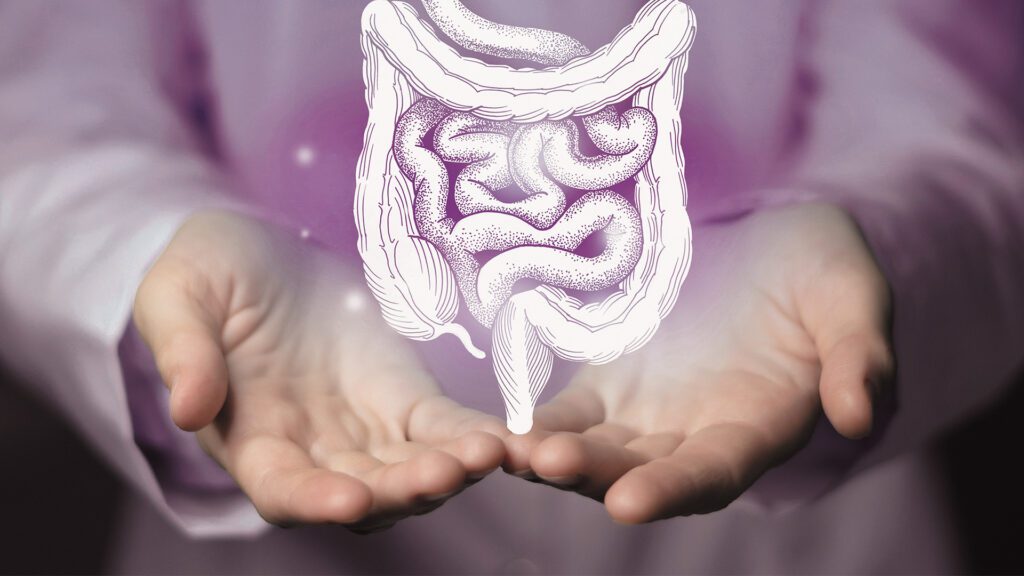
Colorectal cancer is on the rise. It is the second leading cause of cancer-related deaths in the United States. There are some risk factors that cannot be changed, such as age, family history and genetic predisposition. Fortunately, there are also modifiable risk factors that are within your control, such as increasing your physical activity and modifying your diet. Colorectal cancer is one of the most preventable types of cancer through a combination of healthy lifestyle and screening. Here are some tips to prevent and decrease your risk of colorectal cancer over time.
Limit red meat/processed meat
High consumption of red meat and processed meat can increase colorectal cancer risk. Studies have shown the increase to be anywhere from 20% to 40%. Red meat includes beef, pork and lamb. Processed meat includes deli meat, hot dogs, sausage and bacon. This does not mean that you have to avoid them completely. It means that you should limit your intake, as the risk is associated with how much you eat. The more you consume, the higher the risk. Eating more than three servings a week can increase your risk. One serving is equal to four ounces of meat. It is always best to substitute with lean meat such as chicken, turkey and fish.
Increase high-fiber foods
High-fiber foods can be protective against colorectal cancer. These foods include fruits, vegetables, whole grains and legumes. Fiber helps increase stool bulk and speed up stool passage to reduce the time toxins remain in your intestines. It can bind to potential carcinogens and feed beneficial gut bacteria to produce short-chain fatty acids that have anti-cancer properties. It is recommended that you aim for 25 to 35 grams of fiber a day. Examples of foods to incorporate into your diet include oats, brown rice, whole wheat bread and pasta, barley, lentil, chickpeas, beans, nuts and seeds.
Decrease alcohol intake
Alcohol can be broken down into metabolites that are carcinogens, which can damage the DNA in colon cells to increase your risk of developing cancer. The more you drink, the higher the risk. An occasional drink is okay, but just remember that less is better. Men should limit to no more than two drinks per day and women to no more than one drink per day, although even a small amount can be harmful.
Increase physical activity
Exercise can reduce your risk of developing colorectal cancer by up to 25% by increasing your stool transit time in the colon and decreasing inflammation. Try to aim for at least 30 minutes of moderate intensity (brisk walking, swimming, cycling) exercise five days a week. Sedentary time is associated with higher colorectal cancer risk, so if you have a job that requires prolonged sitting, try to take frequent breaks and get some steps in.
Stop smoking
Smoking has been consistently linked to increased cancer risk, including colorectal cancer. The risk is linked to the length of time you have smoked and the number of cigarettes a day. Although there is still increased risk after quitting, quitting helps prevent even higher risk, and the risk decreases over time after you have quit.
Regular colon cancer screening
Although lifestyle changes can help reduce your risk of developing colorectal cancer, the most effective way to prevent colorectal cancer is with regular screenings. Although there are many options available now, colonoscopy remains the gold standard for colon cancer screening. A colonoscopy not only screens for colorectal cancer but also prevents cancer by removing polyps (or growths) that are precancerous before they grow into cancer. Average-risk colon cancer screening starts at age 45, but a family history of colon cancer or polyps may mean that you need to be screened earlier. See your doctor to determine if you need a colonoscopy.
Any content, resident submissions, guest columns, advertisements, and advertorials are not necessarily endorsed by or represent the views of Best Version Media LLC (BVM) or any municipality, homeowners associations, businesses, or organizations that this publication serves. BVM is not responsible for the reliability, suitability, or timeliness of any content submitted, inclusive of materials generated or composed through artificial intelligence (AI). All content submitted is done so at the sole discretion of the submitting party.