
Florida’s warm temperatures, frequent rain, and year round humidity create the perfect environment for algae, mold, mildew, pollen, and dirt to build up on your home’s exterior. While regular cleaning is essential to maintaining your property’s appearance and value, using the wrong cleaning method can do more harm than good. Understanding the difference between pressure washing and soft washing is one of the best ways to protect your investment.
Although the terms are often used interchangeably, pressure washing and soft washing are two very different cleaning methods, each designed for specific types of surfaces.
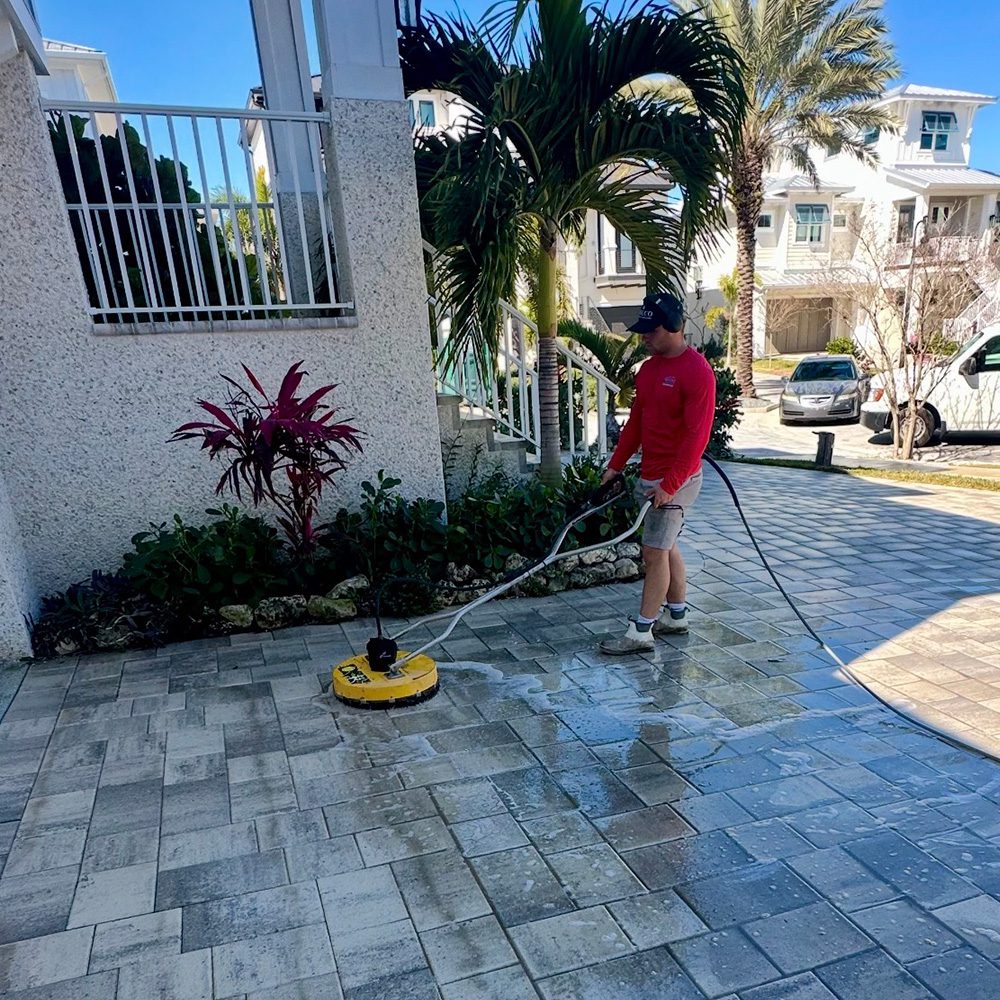
Pressure washing relies on highly pressurized water to remove dirt, grime, grease, and surface stains. When used correctly, it is extremely effective for durable materials such as concrete driveways, sidewalks, curbs, brick, and some unsealed pavers. However, high pressure can quickly become destructive when used on more delicate materials.
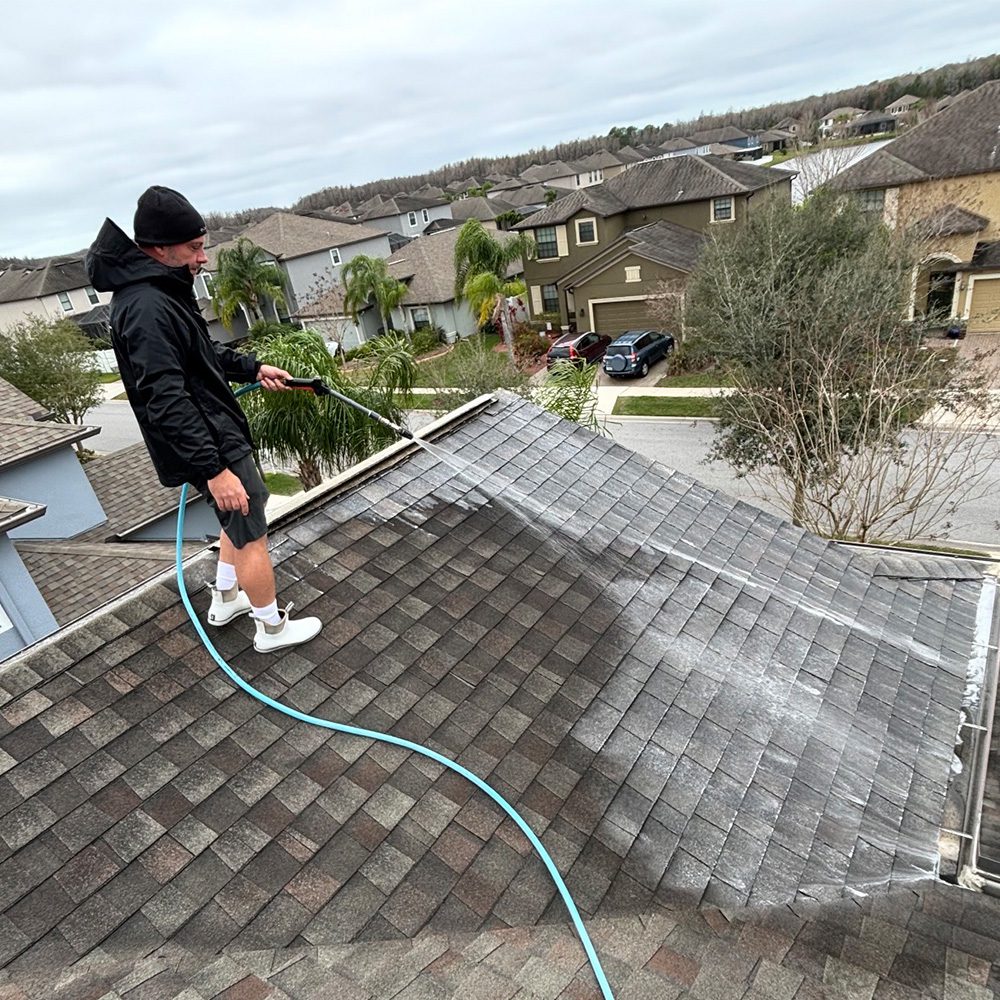
Improper pressure washing can strip protective sealants, erode grout and mortar, loosen paver joint sand, chip paint, damage stucco, crack siding, splinter wood, and even force water behind exterior walls, where it can contribute to hidden moisture damage and mold growth.
Soft washing offers a much safer approach for many areas of the home. Instead of relying on force, soft washing uses low pressure water combined with specialized biodegradable cleaning solutions that break down and eliminate algae, mold, mildew, bacteria, and other organic contaminants at their source.
Rather than simply blasting away visible stains, soft washing treats the organisms responsible for the discoloration. This helps slow regrowth, allowing surfaces to stay cleaner much longer than they would with pressure washing alone.
In Florida, soft washing is typically the recommended cleaning method for:
- Roof shingles and tile roofs
- Stucco and painted exteriors
- Vinyl siding
- Screen enclosures
- Pool cages
- Wood fencing
- Composite decking
- Sealed pavers
- Gutters and soffits
One of the biggest misconceptions homeowners have is that a stronger stream of water always produces a better clean. In reality, more pressure is not always better. Roofs provide a perfect example. Asphalt shingles are coated with protective granules that shield the roof from ultraviolet rays and weather damage. High pressure can strip away these granules, shortening the roof’s lifespan and potentially voiding manufacturer warranties. Soft washing safely removes black streaks and algae without damaging the roofing material.
Pavers require similar care. Many Florida homeowners invest in sealing their pavers to protect against stains, fading, and weed growth. Aggressive pressure washing can remove the protective sealer, wash away the joint sand that locks pavers into place, and create uneven settling over time. A professional soft wash followed by resealing when needed helps preserve both the beauty and structural integrity of the surface.
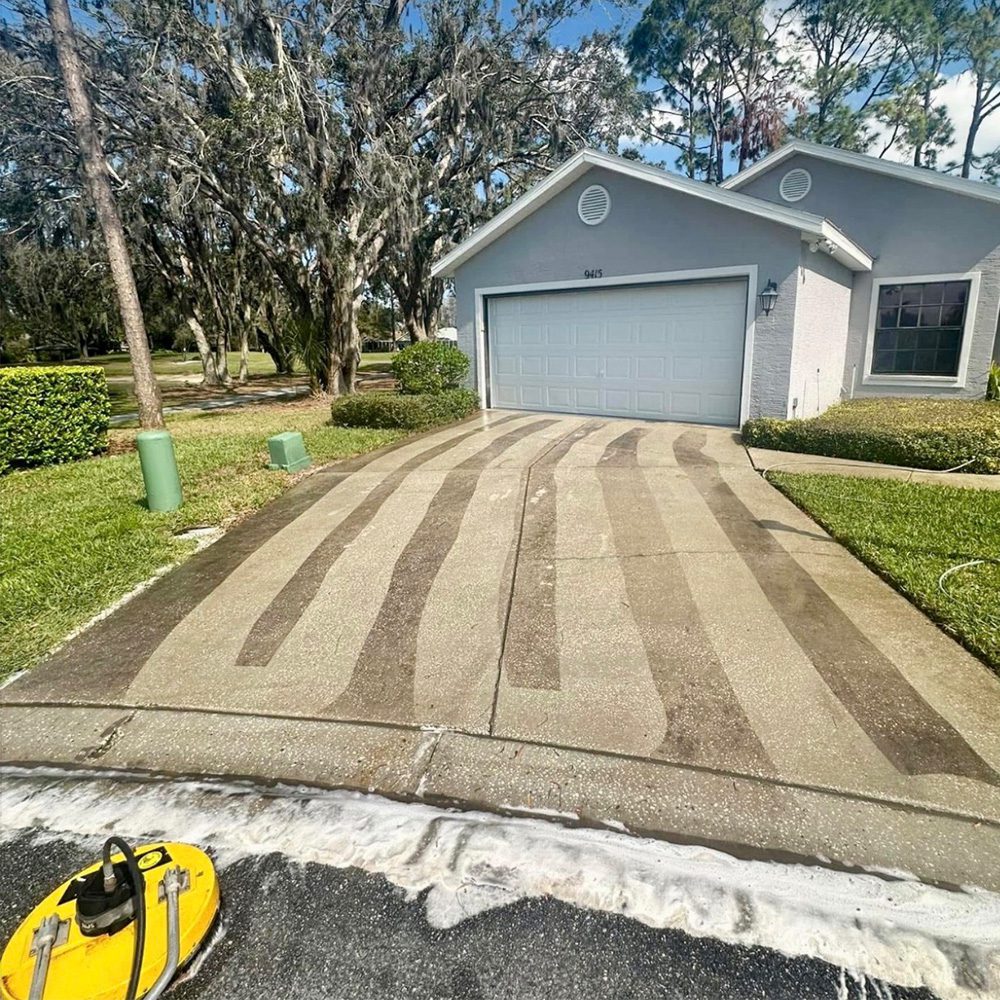
Regular exterior cleaning is about more than curb appeal. Mold, mildew, algae, and accumulated debris can gradually deteriorate surfaces, create slippery walkways, and contribute to premature aging of exterior materials. Preventative maintenance often costs far less than repairing or replacing damaged roofs, siding, fences, or paver systems.
Every home is different, and the safest cleaning method depends on the age of the surface, the building materials, previous sealants or coatings, and the type of buildup being removed. An experienced exterior cleaning professional can evaluate these factors and recommend the most effective approach.
The goal of exterior cleaning should never be simply making a home look cleaner for a few weeks. It should be protecting your home’s appearance, extending the life of its exterior surfaces, and preserving one of your family’s largest investments for years to come.
Any content, resident submissions, guest columns, advertisements, and advertorials are not necessarily endorsed by or represent the views of Best Version Media LLC (BVM) or any municipality, homeowners associations, businesses, or organizations that this publication serves. BVM is not responsible for the reliability, suitability, or timeliness of any content submitted, inclusive of materials generated or composed through artificial intelligence (AI). All content submitted is done so at the sole discretion of the submitting party.