In Gulf Coast communities like Tarpon Springs, landscaping is not just about aesthetics — it must perform in heat, heavy rainfall, sandy soil, and salt exposure. Choosing the right plants and materials can significantly reduce maintenance while increasing curb appeal and long-term property value.
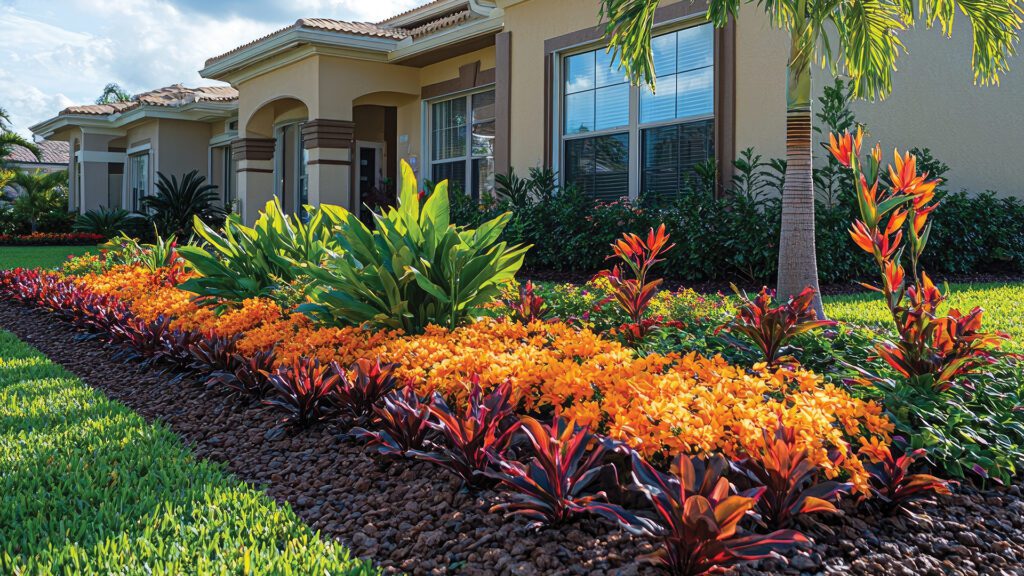
The most successful Florida landscapes begin with climate-appropriate plant selection. Native and Florida-adapted plants are naturally suited to our conditions, requiring less irrigation and fewer chemical inputs. Excellent native options include coontie, a hardy low-growing plant that tolerates drought and sandy soil, and muhly grass, which adds soft texture and produces striking pink plumes in fall. Firebush offers vibrant red-orange blooms that attract pollinators and thrive in full sun and heat.
For coastal exposure, salt tolerance is essential. Plants such as dwarf yaupon holly, silver buttonwood, and society garlic perform well in areas exposed to salt spray or coastal winds. These species maintain structure and color without constant replacement or heavy feeding. Mid-height shrubs create structure and visual layering in the landscape. Popular Florida-friendly choices include dwarf viburnum, podocarpus, and crotons for vibrant color in sunnier areas. These shrubs provide fullness while allowing airflow — an important factor in reducing fungal issues in humid climates.
Accent palms add vertical interest and tropical character. Smaller varieties such as the Christmas palm (Adonidia) or Pygmy date palm are excellent for residential settings because they provide height without overwhelming the property. For lower-maintenance options, Sabal palms (Florida’s state tree) offer native resilience and storm durability.
Groundcover plays a critical role in both aesthetics and erosion control. Options such as sunshine mimosa, Asian jasmine, and dwarf mondo grass help reduce weed growth and stabilize sandy soil. In high-sun areas, perennial peanut is another durable groundcover that produces small yellow flowers while improving soil health.
Beyond plant selection, mulch choice greatly impacts plant health and water conservation. In Florida, the best mulch options are typically pine bark, eucalyptus mulch, or melaleuca mulch. These organic mulches break down slowly, enrich the soil, and help retain moisture in sandy conditions. Pine bark is especially beneficial because it improves soil structure over time. Avoid dyed mulches that may contain recycled construction materials, and avoid piling mulch directly against plant stems or tree trunks, which can encourage rot and pest issues. A consistent depth of two to three inches is ideal for moisture retention and weed suppression.
Proper plant layering — groundcover, mid-height shrubs, and vertical accents — creates dimension while supporting airflow and drainage. When paired with climate-appropriate mulch and efficient irrigation, this approach results in a landscape that is both beautiful and resilient. In Florida, the goal is not simply a green yard. It is a sustainable, well-structured outdoor environment designed to thrive in tropical temperatures and coastal conditions year after year.
Any content, resident submissions, guest columns, advertisements, and advertorials are not necessarily endorsed by or represent the views of Best Version Media LLC (BVM) or any municipality, homeowners associations, businesses, or organizations that this publication serves. BVM is not responsible for the reliability, suitability, or timeliness of any content submitted, inclusive of materials generated or composed through artificial intelligence (AI). All content submitted is done so at the sole discretion of the submitting party.