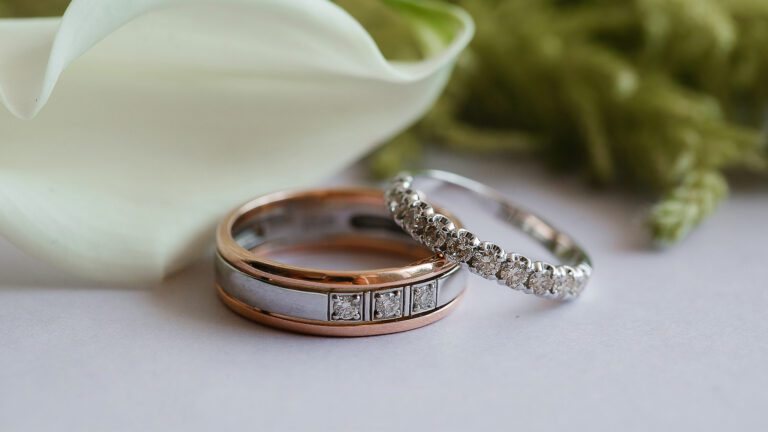
For many people, jewelry is more than an accessory. Wedding rings symbolize lifelong commitments. Family heirlooms connect generations. A necklace from a loved one or a bracelet purchased to celebrate a milestone often carries memories far more valuable than the gemstones themselves.
Yet many of these treasured pieces face invisible threats every day.
“Most jewelry damage doesn’t happen all at once,” says Cindy Stafford of Wade’s Jewelers. “It’s usually the result of years of small habits that gradually weaken the piece.”
Swimming tops the list of common mistakes. Chlorine in pools and hot tubs attacks the alloys mixed with gold, weakening ring settings and prongs that hold diamonds and gemstones securely in place. Saltwater presents its own challenges, leaving behind corrosive deposits and dulling metal finishes.
The danger doesn’t end at the pool. Household cleaners containing bleach, ammonia, or harsh chemicals can damage precious metals, while everyday products like hairspray, perfume, sunscreen, lotions, and even hand sanitizer leave films that rob gemstones of their sparkle.
Then there are the everyday activities most people never think twice about. Gardening can scratch rings against rocks and soil. Weightlifting may bend delicate bands. Carrying groceries, pushing heavy furniture, or repeatedly striking a ring against a kitchen countertop can gradually loosen prongs, increasing the risk of losing a valuable stone.
Storage habits matter just as much. Tossing jewelry together in a drawer may seem harmless, but diamonds—one of the hardest materials on Earth—can scratch nearly every other gemstone. Chains become tangled, clasps weaken, and softer gems like pearls and opals are especially vulnerable.
Some gemstones require extra care. Pearls are particularly sensitive to perfumes, hairspray, cosmetics, and even perspiration. Opals can crack if they become too dry, while emeralds may contain natural internal fractures that make them susceptible to damage from improper cleaning.
Fortunately, protecting jewelry isn’t difficult. Experts recommend putting jewelry on last when getting dressed, removing it before swimming, exercising, gardening, or cleaning, storing each piece separately in a soft-lined jewelry box, and having valuable pieces professionally inspected at least once a year. Regular cleanings and prong checks can catch minor issues before they become costly repairs.
A little prevention can go a long way. By understanding the hidden hazards that jewelry encounters every day, owners can preserve not only the beauty of their favorite pieces but also the memories and milestones they represent for years to come.
Any content, resident submissions, guest columns, advertisements, and advertorials are not necessarily endorsed by or represent the views of Best Version Media LLC (BVM) or any municipality, homeowners associations, businesses, or organizations that this publication serves. BVM is not responsible for the reliability, suitability, or timeliness of any content submitted, inclusive of materials generated or composed through artificial intelligence (AI). All content submitted is done so at the sole discretion of the submitting party.