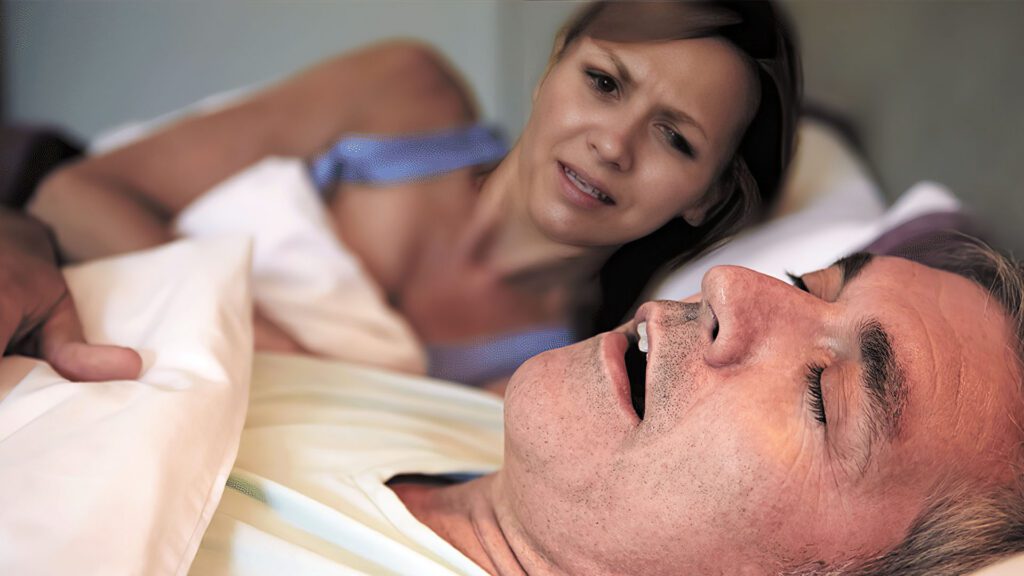
Most people know your mouth can reveal a great deal about your overall health. Gum disease has been linked to heart disease, diabetes, and respiratory illness. But many people don’t realize that your dentist may also be one of the first healthcare providers to recognize signs of a sleep-related breathing disorder.
When breathing becomes restricted during sleep, your body often compensates in ways that leave visible clues inside your mouth. During a routine dental exam, your dentist may notice changes that suggest your airway isn’t functioning as well as it should.
Signs your dentist may notice:
Excessive tooth wear or grinding
Flattened, chipped, or fractured teeth can be more than evidence of grinding. When the airway becomes blocked during sleep, the jaw muscles may clench or grind in an effort to help reopen it.
Acid erosion
Chemically worn teeth may be a sign of chronic acid reflux (GERD). Sleep-disordered breathing can create pressure changes that allow stomach acid to reach the mouth, gradually wearing away enamel.
Chronic inflammation or frequent cavities
Inflamed gums or recurring cavities despite good oral hygiene may result from chronic mouth breathing. Breathing through the mouth dries out saliva, one of the body’s most important defenses against bacteria and acid.
A scalloped tongue
Indentations along the sides of the tongue may indicate it lacks enough room to rest comfortably, which can signal a crowded airway.
A narrow, high-arched palate
Because the roof of the mouth also forms the floor of the nasal cavity, a narrow palate can reduce nasal airway space and make nasal breathing more difficult.
Why does this matter?
The way your mouth develops directly affects how you breathe. When the tongue rests against the roof of the mouth, it supports healthy jaw development and nasal breathing. When the tongue rests low or mouth breathing becomes chronic, the upper jaw may develop more narrowly, leaving less room for the tongue and nasal airway. This can increase the risk of airway restriction and poor-quality sleep.
Mouth breathing also dries the tissues of the mouth and throat, reducing protective saliva, increasing inflammation, and raising the risk of tooth decay.
What happens if your dentist suspects an airway issue?
If your dentist notices these signs, they may ask about your sleep. Do you snore, wake frequently, or feel tired despite a full night’s sleep?
Depending on your symptoms, your dentist may recommend evaluation by your physician or an ENT specialist, or a sleep study. At our office, we offer convenient at-home sleep studies interpreted by a board-certified medical provider.
For many patients with mild to moderate obstructive sleep apnea, treatment may include a Mandibular Advancement Device (MAD)—a custom oral appliance worn during sleep. Similar to a retainer, it gently holds the lower jaw slightly forward to help keep the airway open. Patients with severe obstructive sleep apnea may still require CPAP therapy, and the best treatment should always be determined with your physician and a dentist trained in dental sleep medicine.
Healthy sleep begins with healthy breathing, and sometimes the first signs of a problem are found during a routine dental exam. Your dentist isn’t just looking for cavities—we’re evaluating how your mouth functions as part of your overall health.
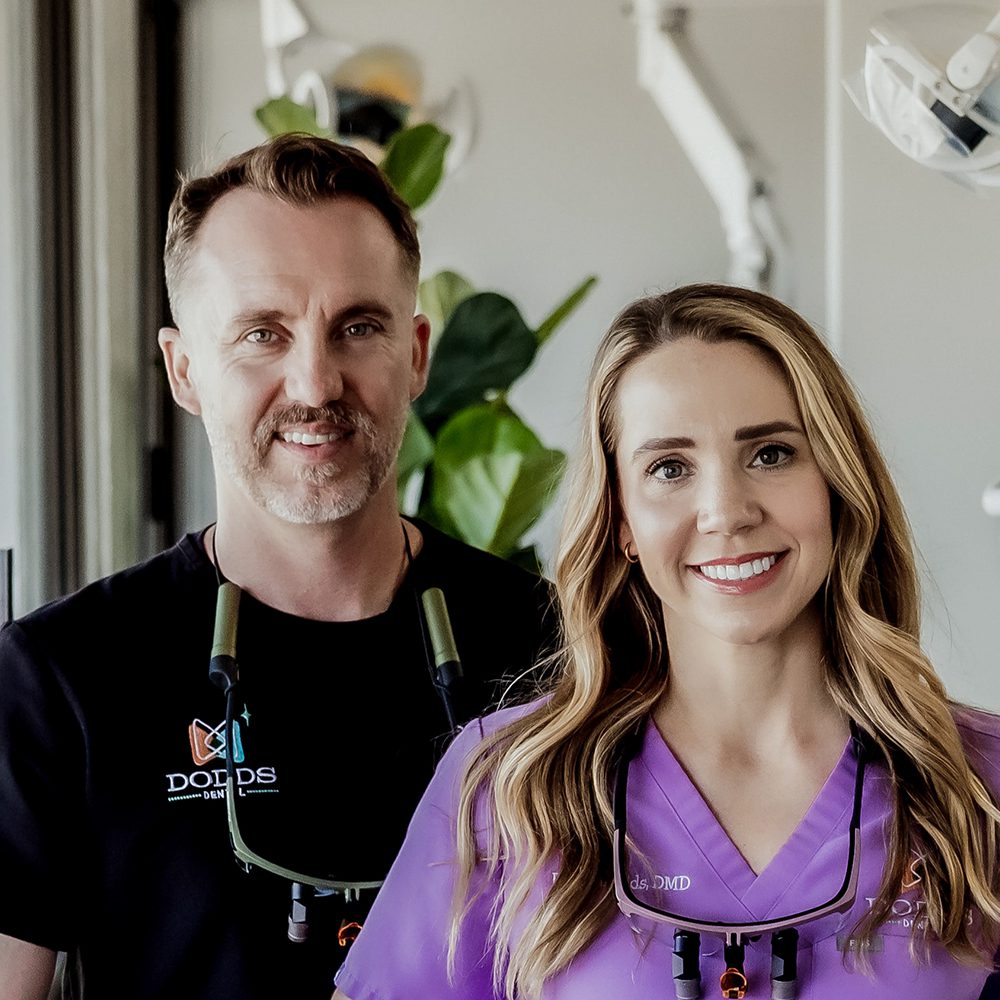
Dr. Emily Dodds is an experienced general and cosmetic dentist and co-owner of Dodds Dental in Long Beach. She graduated magna cum laude from the esteemed Tufts University School of Dental Medicine in Boston and completed an advanced general dentistry residency. Most recently, she obtained her Masters in Public Health with a dental emphasis from A.T. Still University. Dr. Dodds is dedicated to providing personalized, high-quality comprehensive dental care in a comfortable environment. If you want to experience dentistry differently, call 562.439.0754 to schedule a new patient visit.
Any content, resident submissions, guest columns, advertisements, and advertorials are not necessarily endorsed by or represent the views of Best Version Media LLC (BVM) or any municipality, homeowners associations, businesses, or organizations that this publication serves. BVM is not responsible for the reliability, suitability, or timeliness of any content submitted, inclusive of materials generated or composed through artificial intelligence (AI). All content submitted is done so at the sole discretion of the submitting party.