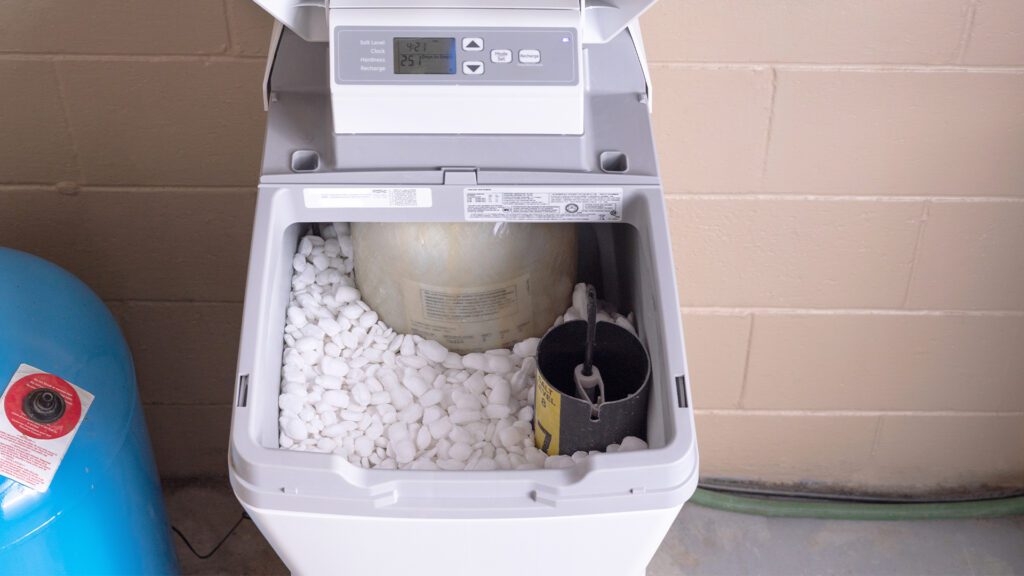

Hard water is a common issue in many households, containing high levels of dissolved minerals such as calcium and magnesium. Especially know in the area as many water sources have switched and home owners are dealing with unfamiliar sources. While these minerals are not harmful to drink, they can have a significant impact on the performance and lifespan of home appliances. Installing a water softener is an effective solution that helps protect valuable equipment, improve efficiency, and reduce maintenance costs.
One of the biggest benefits of a water softener is preventing mineral scale buildup. As hard water passes through appliances like dishwashers, washing machines, water heaters, and coffee makers, minerals accumulate inside pipes, heating elements, and internal components. Over time, this scale restricts water flow and forces appliances to work harder to perform their tasks. Soft water eliminates these mineral deposits, helping appliances operate at peak efficiency.
Water heaters, in particular, benefit greatly from softened water. Scale buildup on heating elements acts as an insulating layer, requiring the heater to use more energy to warm water. By reducing scale formation, a water softener allows the appliance to heat water more efficiently, lowering energy consumption and potentially reducing monthly utility bills.
Laundry appliances also perform better with softened water. Soft water allows detergents to dissolve more effectively, producing better cleaning results with less soap. Clothes come out cleaner, brighter, and softer while reducing wear on washing machine components. Since less detergent and fabric softener are needed, homeowners can also save money on household cleaning products.
Dishwashers experience similar advantages. Hard water often leaves cloudy spots and mineral residue on dishes, glassware, and utensils. Soft water improves detergent performance, resulting in cleaner dishes with a sparkling finish. It also helps prevent mineral buildup inside the dishwasher, extending its service life and reducing repair needs.
Small household appliances, including coffee makers, kettles, humidifiers, and steam irons, are especially vulnerable to hard water deposits. Mineral accumulation can clog internal passages, reduce efficiency, and eventually cause equipment failure. Using softened water helps keep these appliances functioning properly while minimizing the need for descaling and maintenance.
In addition to extending appliance lifespan, water softeners can reduce repair expenses and replacement costs over time. Appliances that operate with fewer mineral deposits experience less wear and tear, making unexpected breakdowns less likely.
Overall, investing in a water softener is a practical way to protect household appliances, improve energy efficiency, and lower long-term maintenance costs. By eliminating the damaging effects of hard water, homeowners can enjoy better-performing appliances, cleaner results, and greater peace of mind while maximizing the value of their household investments.
Any content, resident submissions, guest columns, advertisements, and advertorials are not necessarily endorsed by or represent the views of Best Version Media LLC (BVM) or any municipality, homeowners associations, businesses, or organizations that this publication serves. BVM is not responsible for the reliability, suitability, or timeliness of any content submitted, inclusive of materials generated or composed through artificial intelligence (AI). All content submitted is done so at the sole discretion of the submitting party.