Your garden can be more than an ornamental space: it can offer precious habitat for native birds. A well-designed backyard bird habitat supports birds through four seasons with consistent food and water, protective cover, and safe nesting areas.
If you like the thought of more songbirds in your backyard oasis, you can take many different approaches. This article includes a few of our favorites.
Trees
If you have room for just one tree on your property, plant a white oak (Quercus alba). The native white oak is a host plant for many insects. This makes it attractive to birds that eat insect larvae—woodpeckers, nuthatches, warblers, wrens, chickadees, and wood thrushes.
Fruits and Berries
Many fruiting trees and shrubs provide great ornamental value and an important food source for birds. The hawthorns, Crataegus, bear abundant orange-red fruits that often persist on the branches into the winter. Most hawthorns have a dense canopy of thorny branches that provide good protection for nesting birds.
Winter King is a native hawthorn with large, plump orange-red fruits. The cedar waxwing and american robin are frequent visitors.
Many fruits and berries are rich in antioxidants, such as the many species of serviceberry, Amelanchier. Autumn Brilliance is noted for its white flowers in May, plentiful fruits that change from pink to purple, and an excellent red fall color.
Seed Sources
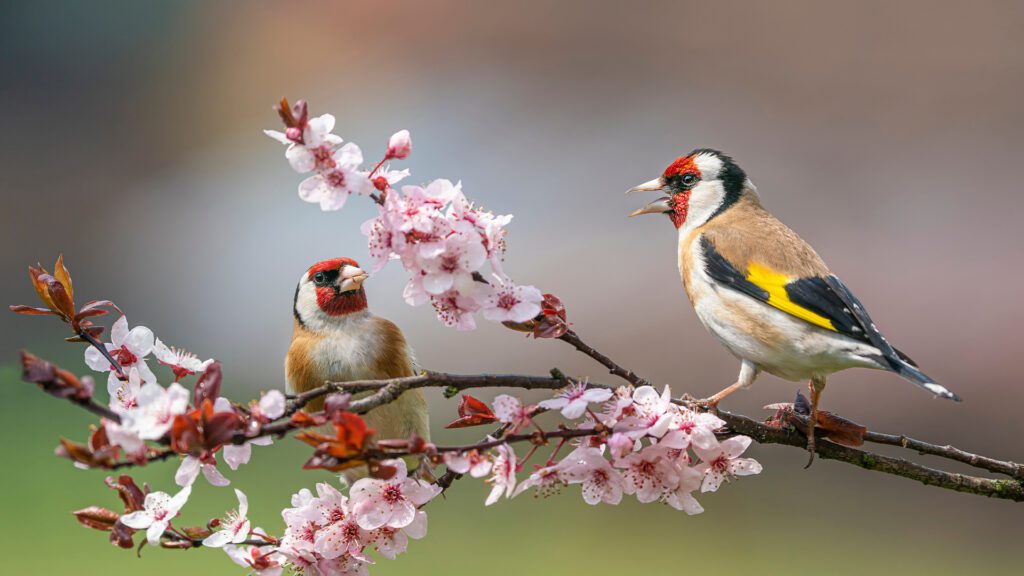
Many native birds rely on seeds for food. These include the American goldfinch, song sparrow, grosbeaks, northern cardinal, and towhee. Providing consistent year-round seed sources will support birds in your yard and garden.
Coneflowers come in many species and are known for their purple to pink flowers and prominent seed cones. These can be left standing in winter to feed goldfinches and song sparrows. Another ornamental flower with a central cone of nutritious seeds is Rudbeckia, the black-eyed Susan, with striking golden-yellow flowers.
Many ornamental grasses offer great vertical qualities in the garden, and they also serve as important fall and winter food sources. Switchgrass, panicum virgatum, has upright foliage and airy flower heads followed by seed heads. Little bluestem has fluffy white seed heads.
Northwind is an exceptional selection. Standing Ovation has upright bluish foliage that turns maroon and burgundy in the fall.
Habitat
Planting diverse trees, shrubs, grasses, vines, and perennials that bear seeds, fruits, and nectar is essential for supporting bird populations. Even dead plants leave behind hollow stems and leaf litter that shelters beneficial insects and their larvae during the cold months. When these insects emerge in spring, they provide a rich additional food source for birds during nesting season. A water source is a key element in a stable bird habitat. A pond is ideal, but a traditional bird
bath is sufficient.
Even the smallest garden, patio or planting bed can be thoughtfully designed with habitat value
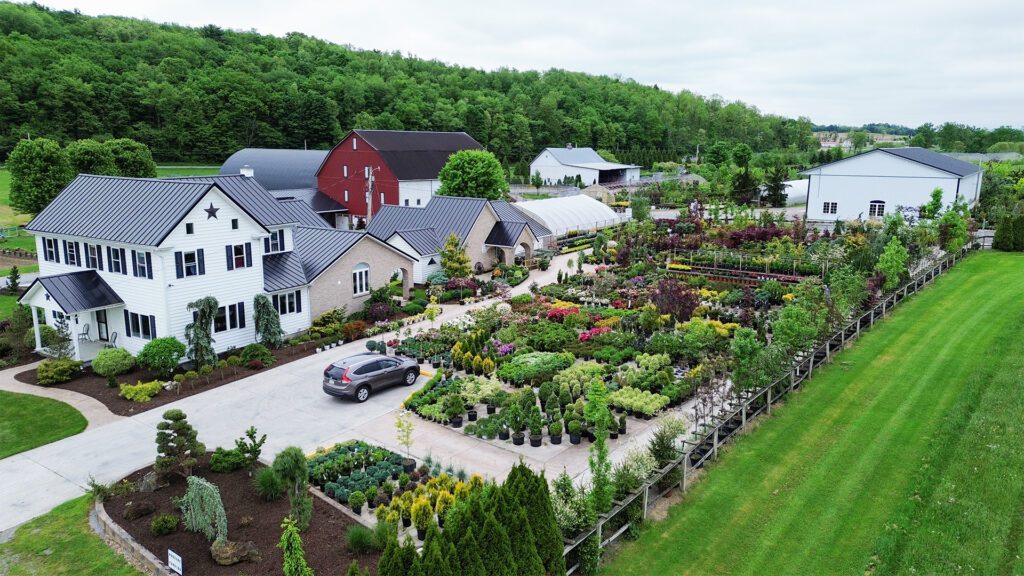
in mind. Remember, you can always bring your photos and measurements to Bloomfield
Nursery! We’ll help you create a custom landscape plan that is not just beautiful, but also alive
with birdsong, movement, and seasonal activity!
Fall is the best time to plant. Call 814-224-4508 to schedule your free consultation!
Any content, resident submissions, guest columns, advertisements, and advertorials are not necessarily endorsed by or represent the views of Best Version Media LLC (BVM) or any municipality, homeowners associations, businesses, or organizations that this publication serves. BVM is not responsible for the reliability, suitability, or timeliness of any content submitted, inclusive of materials generated or composed through artificial intelligence (AI). All content submitted is done so at the sole discretion of the submitting party.