- Your teeth are as unique as your fingerprints. No two people have exactly the same set of teeth, which is why dental records can help identify people.
- Teeth can’t repair themselves. Unlike bones, tooth enamel contains no living cells, so once it’s damaged, your body can’t regrow it.
- Enamel is the hardest substance in your body. It’s even harder than bone – but it can still wear down from acids and grinding.
- Babies start growing teeth before they’re born. Tooth buds begin developing in the womb, even though the teeth don’t appear until months after birth.
- Your mouth is home to hundreds of species of bacteria. Most are harmless – or even helpful- but some contribute to cavities and gum disease.
- Ancient people used unusual toothpaste ingredients. Early toothpaste recipes included crushed shells, charcoal, burnt eggshells, and even powdered animal bones.
- Saliva is your teeth’s superhero. It washes away food particles, neutralizes acids, and helps replenish minerals in enamel. We produce 100,000 gallons of saliva in a lifetime, which helps prevent tooth
decay by moving food away from teeth. - Some people are born without certain adult teeth. This relatively common condition is genetic and most often affects wisdom teeth or upper lateral incisors.
- Sharks constantly replace their teeth. While humans get only two sets, some shark species can go through thousands of teeth during their lifetime.
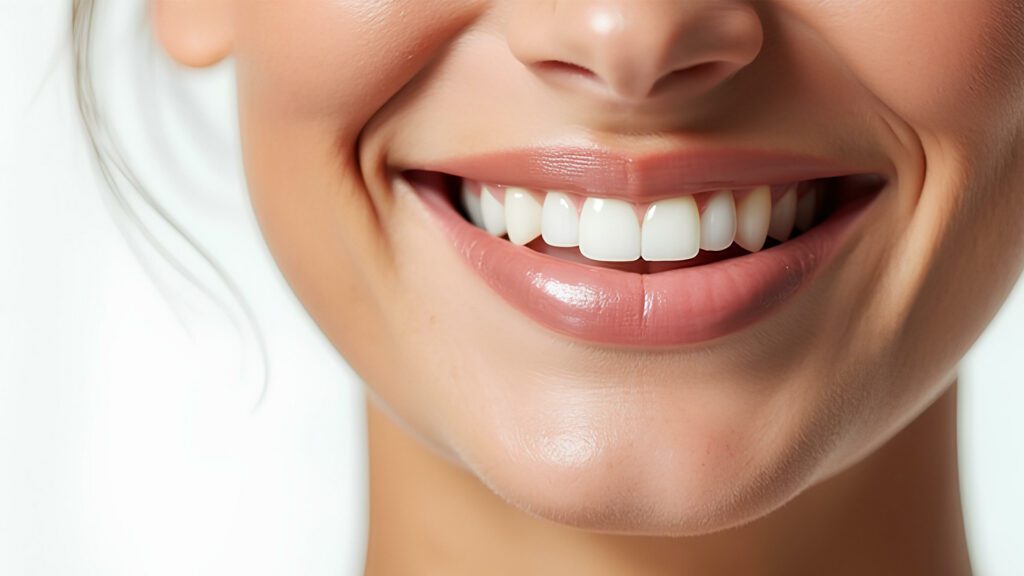
- Smiling is good for your oral health – indirectly. Smiling can reduce stress, and lower stress may mean less teeth grinding and jaw clenching.
- Tooth decay is the second most common disease after the cold.
- We buy 18 yards of dental floss a year. We should buy 122 yards.
- A medieval custom was to kiss a donkey for toothaches!
- One quarter of adults in the U.S. have lost all their teeth.
- Viking warriors believed baby teeth brought them good luck. They even wore them as necklaces during battles.
- In medieval Europe, people used to burn teeth. They did this to protect themselves. They were afraid witches could use the teeth to control them.
- The average Tooth Fairy payout has surged by 349 percent since 1998. In 1998, the average payout was $1.30; in 2026 the average is $5.84
- One of the first recorded dentists in history was an official named Hesy-Ra in 2650 BCE Egypt. Hieroglyphs in his tomb bear the official title “Great One of the Dentists,” proving that oral care was a respected, organized medical field under the pharaohs.
- The first barber-dentists in the United States arrived in the 1630s alongside the original settlers of the Massachusetts Bay Colony. Because dentistry was not yet a recognized, separate profession, these early barbers handled a wide range of tasks – including haircuts, shaves, bloodletting, and lancing boils, alongside extracting diseased teeth.
- Queen Elizabeth I of England, who ruled from1558 to 1603, is famous for having severely blackened, rotten teeth. By her 50s, the Tudor monarch’s severe dental decay was documented by foreign diplomats and travelers. The primary cause was her intense, lifelong addiction to sugar.
Any content, resident submissions, guest columns, advertisements, and advertorials are not necessarily endorsed by or represent the views of Best Version Media LLC (BVM) or any municipality, homeowners associations, businesses, or organizations that this publication serves. BVM is not responsible for the reliability, suitability, or timeliness of any content submitted, inclusive of materials generated or composed through artificial intelligence (AI). All content submitted is done so at the sole discretion of the submitting party.