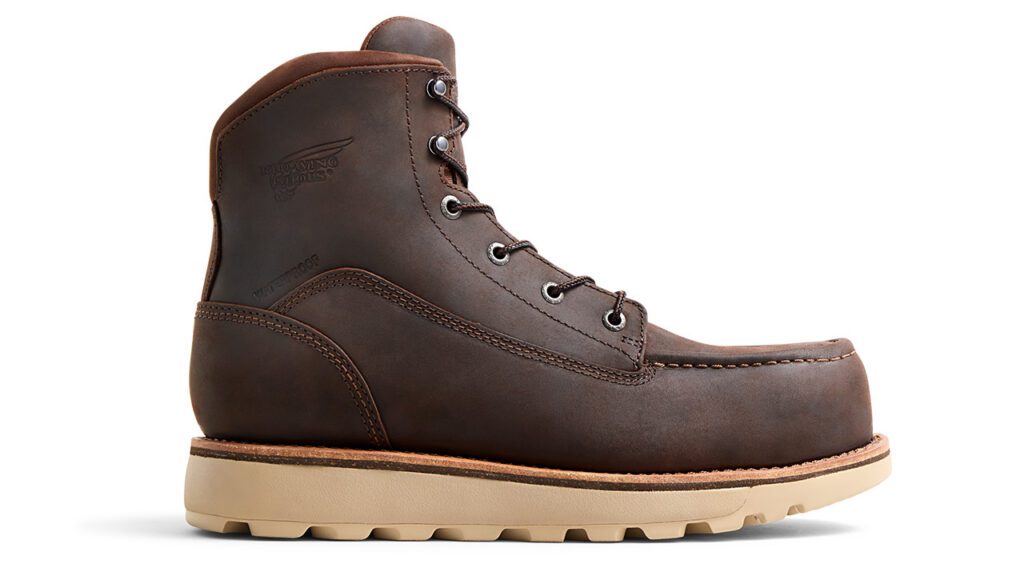
A quality pair of boots can make the difference between ending the day feeling productive—or ending it with sore feet, aching knees, and lower back pain. Whether you work in construction, mining, manufacturing, ranching, or emergency response, proper boot fit is one of the most important investments you can make in your comfort, safety, and long-term health.
One of the biggest misconceptions people have is believing their boot size is the same across every brand and style. In reality, sizing can vary significantly depending on the manufacturer, the shape of the boot, the materials used, and the purpose of the footwear. That’s why simply ordering the same size online year after year often leads to discomfort and poor performance.
Start With Accurate Measurements
The first step in finding the right fit is measuring both feet. Most people have one foot slightly larger than the other, and boots should always be fitted to the larger foot. Length is only part of the equation—width and arch type are equally important.
A properly fitted boot should feel:
- Secure in the heel without excessive slipping
- Snug through the midfoot without pressure points
- Wide enough in the toe box to allow natural toe movement
- Supportive under the arch without pinching
Your toes should never feel cramped or pushed against the front of the boot. At the same time, boots that are too loose can create friction, blisters, instability, and fatigue.
Consider How You Work
Boot fitting is not one-size-fits-all because work environments differ dramatically. Someone climbing ladders all day has different support needs than someone walking long distances on concrete or working outdoors in wet conditions.
When fitting customers, I always recommend considering:
- Surface type (concrete, gravel, uneven terrain)
- Hours spent standing or walking
- Weather conditions
- Safety requirements
- Sock thickness and orthotics
The wrong boot for your environment can wear out faster and place unnecessary strain on your feet and joints.
Don’t Ignore Width
One of the most common fitting mistakes is wearing boots that are too narrow. Many people assume discomfort is normal during break-in, when in reality, they may simply need a wider fit.
Quality footwear brands often offer multiple width options because feet are not built the same. A properly sized wide boot will usually feel more supportive and comfortable than sizing up in length to gain extra room.
Break-In Shouldn’t Be Painful
A new pair of boots may require some adjustment time, especially premium leather footwear, but break-in should never be painful. Mild stiffness is normal; excessive rubbing, numbness, or sharp discomfort is not. The goal is for the boot to gradually mold to your foot—not for your foot to suffer while trying to adapt to the boot.
Replace Boots Before They Fail
Even the best boots eventually wear down. Uneven sole wear, reduced cushioning, loss of support, or visible breakdown of the upper are signs it may be time for replacement or resoling.
Worn-out footwear can affect posture, balance, and comfort long before holes or visible damage appears.
Final Thoughts
Your boots are more than footwear—they are equipment. The right fit can improve comfort, reduce fatigue, and help you perform at your best every day. If possible, work with a trained fit specialist who can evaluate your foot shape, work environment, and support needs. Proper fit is not about finding “good enough.” It’s about finding the boot that works for you.
Any content, resident submissions, guest columns, advertisements, and advertorials are not necessarily endorsed by or represent the views of Best Version Media LLC (BVM) or any municipality, homeowners associations, businesses, or organizations that this publication serves. BVM is not responsible for the reliability, suitability, or timeliness of any content submitted, inclusive of materials generated or composed through artificial intelligence (AI). All content submitted is done so at the sole discretion of the submitting party.