Many people assume that if they pass away without a will, their assets will simply go to the people they care about most. In Wisconsin, that is not always true. When someone dies without a valid will — a situation called dying “intestate” — state law, not personal wishes, decides who inherits.
Under Wisconsin’s intestacy rules, the distribution follows a fixed formula. If you are married and have no children (or only children with your current spouse), your spouse generally receives the entire probate estate. If you have children from a previous relationship, your spouse and those children share the estate according to a statutory split. Without a spouse or children, assets pass to parents, then siblings, then more distant relatives. In rare cases with no qualifying relatives, property can even go to the state.
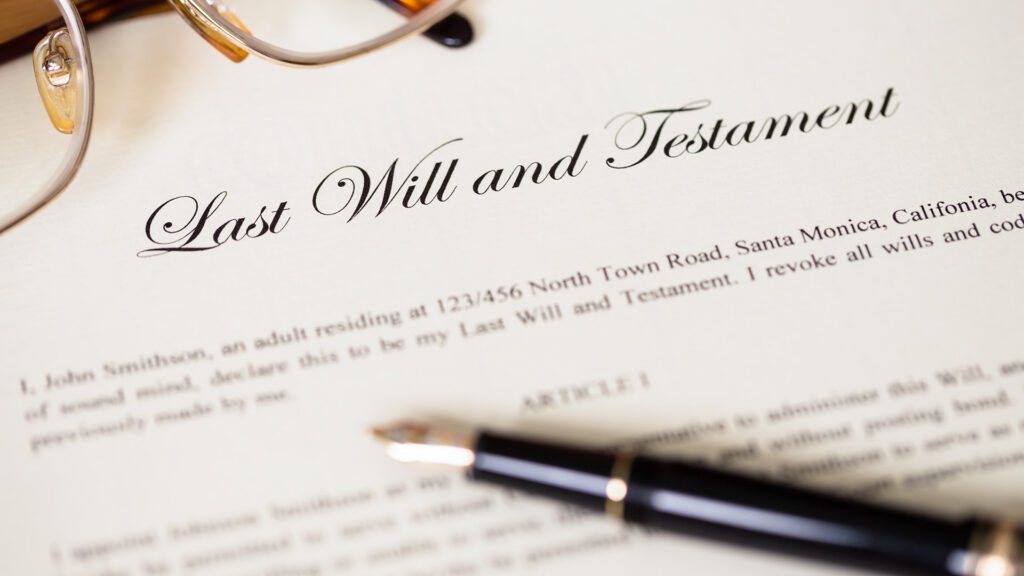
A will changes that outcome. It lets you name exactly who receives specific items or percentages of your estate, appoint a personal representative you trust to handle the process, and — critically for parents of minor children — nominate a guardian. Wisconsin’s default rules do not automatically protect stepchildren, close friends, or charitable causes you may want to support. A will does.
It is also important to remember that not everything passes through a will. Life insurance proceeds, retirement accounts, jointly owned property, and payable-on-death or transfer-on-death accounts transfer according to their own beneficiary designations, regardless of what a will says. Coordinating those designations with your overall plan is just as important as writing the will itself.
Wisconsin law keeps the formal requirements straightforward: a will must be in writing, signed by you, and witnessed by at least two competent people. A self-proving affidavit (signed before a notary) is optional but can simplify probate later. Oral or purely electronic wills are not valid here.
Life rarely stays static. marriage, divorce, the birth or adoption of a child, the purchase of a home, or a significant change in assets are all natural points to review and update your documents. An outdated will can create confusion or unintended results.
Putting your wishes in writing is one of the clearest ways to reduce stress and uncertainty for the people you leave behind. That kind of thoughtful planning is a meaningful gift to the people you care about most.
Any content, resident submissions, guest columns, advertisements, and advertorials are not necessarily endorsed by or represent the views of Best Version Media LLC (BVM) or any municipality, homeowners associations, businesses, or organizations that this publication serves. BVM is not responsible for the reliability, suitability, or timeliness of any content submitted, inclusive of materials generated or composed through artificial intelligence (AI). All content submitted is done so at the sole discretion of the submitting party.