The student who says “I don’t know” gets help. The one with two good ideas gets left alone.
“What are you going to do after high school?”
“I’m thinking physical therapy. Or maybe something with kids, like pediatrics.”
And every adult at the table relaxes.
That’s the part I want to talk about. The student who says “I don’t know” gets help. The one who names two respectable options gets a change of subject.
Capable doesn’t mean covered.
Submitted photo
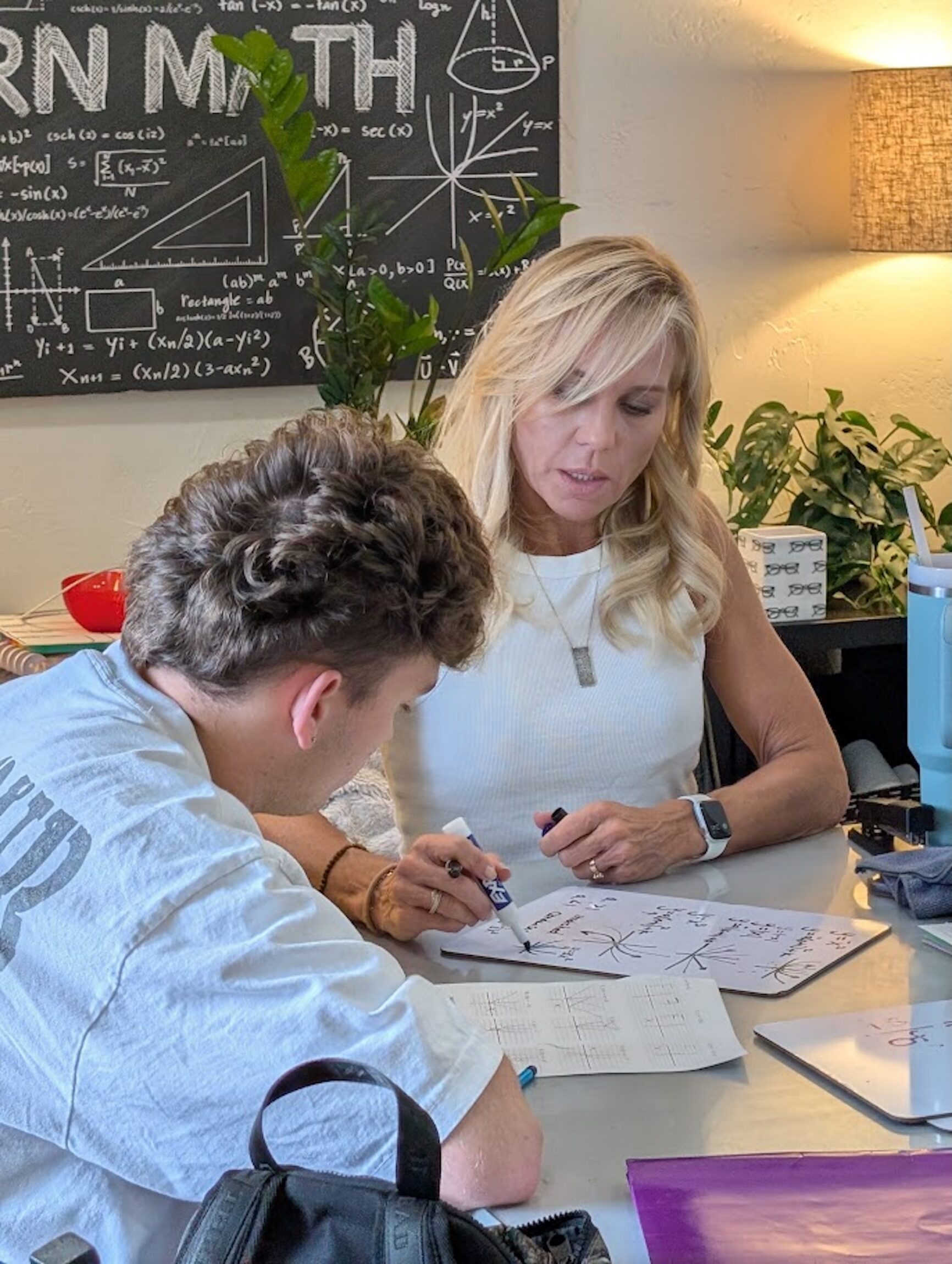
I’ve been teaching math since 1999, mostly juniors and seniors, and the high achievers are the ones I worry about. They are very good at producing an acceptable answer. They have been rewarded for it their whole lives. So they hand you two, both plausible, and the conversation ends before anyone checks whether the two are actually alike.
They usually aren’t. Physical therapy is a doctorate, roughly three years past the bachelor’s. A pediatrician is medical school plus a residency, closer to seven. Different money, different decade, different Tuesday. What they share is one true thing about your child: they want to help people get better. That impulse is real. It isn’t a plan.
And if nobody breaks the tie, it gets broken anyway. By whichever application was easier. By whoever nodded hardest at Thanksgiving.
A senior sat with me this summer and told me she wants law. Then, in the same breath, “but my dad wants me to do engineering.” Two answers, and only one of them was hers.
A pivot in year two of the wrong program costs a semester if you catch it fast, a year and the tuition if you don’t.
So put them on paper. All of them.
Every option your senior has floated, on one page. The two serious ones. The one they mentioned once and dropped. The one you want that they haven’t said no to. And write “I don’t know yet” as its own line, because it is a real option, not a failure to have one.
A page like that makes everyone say out loud which line is theirs.
Then score every line the same way. The three R’s.
Resilience: will this work still exist in the form we’re picturing?
Return: what does this path cost us, and what does it actually pay?
Right fit: does it fit this child, or the version of them we’re proud of?
You are not crowning a winner. You are ranking. Most ties break the second they’re written side by side, because one of them was never really in the running and your child already knew it.
Sometimes “I don’t know yet” outranks everything else on the page. That’s useful too. It means the real option isn’t on the page yet, and now you know to go find it.
Your senior still has time to do this. What they don’t have is time to do it twice.
That’s the whole point of the Future-Proof Path Blueprint, eight weeks of doing exactly this with a small group of parents. One group is in it right now. The next starts January 20 and finishes before spring break.
About the Author
Kathy Kamburis is the founder of Noble Tutoring & Prep, named Best of Dripping Springs 2025 (Best Tutor, Dripping Springs Century News). She is a former civil engineer, high school math teacher, UT Austin lecturer, and mom of four. Noble’s two locations are at 800 Hwy 290 in Dripping Springs and 12020 W Hwy 290, Suite C in the Nutty Brown area. Free assessments and details on the Future-Proof Path Blueprint at nobletutoring.com or 512-222-3306.
Any content, resident submissions, guest columns, advertisements, and advertorials are not necessarily endorsed by or represent the views of Best Version Media LLC (BVM) or any municipality, homeowners associations, businesses, or organizations that this publication serves. BVM is not responsible for the reliability, suitability, or timeliness of any content submitted, inclusive of materials generated or composed through artificial intelligence (AI). All content submitted is done so at the sole discretion of the submitting party.