Since the beginning of the year, our city and surrounding communities have seen a steady increase in Notices of Default (NODs). Month after month, more homeowners are falling behind on payments, which would normally signal a surge in foreclosures. However, that is not what we are seeing. Foreclosure inventory remains surprisingly low. So, what is really happening?
The answer lies in equity. Over the past several years, home values have risen significantly, leaving many homeowners with substantial equity, even if they are currently facing financial hardship. Instead of allowing their homes to go through foreclosure, many owners are choosing to sell before the situation escalates. In these cases, sellers are often able to pay off their mortgage, cover selling costs, and still walk away with remaining funds. For many, this provides a softer landing and a chance to reset financially, often transitioning into a rental rather than facing the long-term consequences of foreclosure.
Another major factor keeping inventory tight is the historically low interest rates many homeowners secured during the refinancing boom. With rates as low as 1.9% to 3%, these homeowners are holding onto what is essentially “golden handcuffs.” Selling their property would mean purchasing a new home at today’s significantly higher interest rates, resulting in a much higher monthly payment. For many families, that simply does not make financial sense.
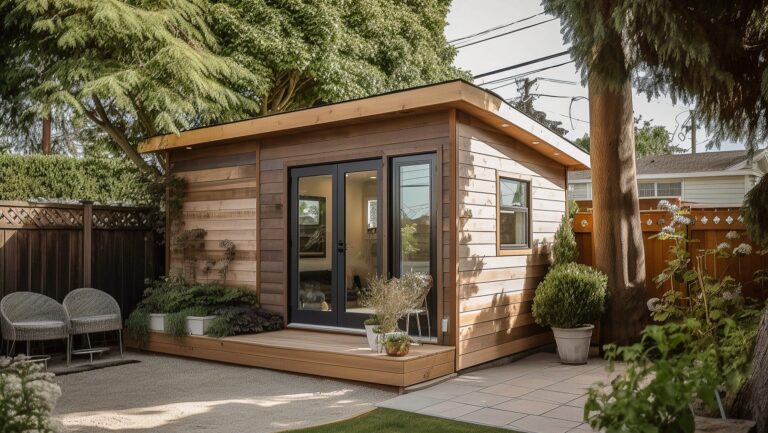
As a result, homeowners are finding creative ways to adapt rather than sell. One of the most notable trends is the rise of Accessory Dwelling Units (ADUs). Whether it is converting a garage, building a backyard unit, or remodeling existing space, ADUs are becoming a practical solution for homeowners looking to maximize their property’s potential.
The benefits of ADUs are substantial. First, they create an additional income stream. Renting out an ADU can help offset mortgage payments, property taxes, and other expenses, easing financial pressure during uncertain times. Second, ADUs provide flexible housing options for extended families. Many homeowners are choosing to have aging parents move in, offering both financial and emotional support while keeping loved ones close.
Additionally, ADUs can increase overall property value. Homes with income-producing potential are highly attractive in today’s market, offering long-term investment benefits. This approach allows homeowners to maintain their low-interest mortgage while improving their financial stability and future resale position.
In today’s evolving market, not selling can often be the smarter move. By holding onto low-rate mortgages and leveraging options like ADUs, families are creating stability, generating income, and building long-term wealth; all without giving up the advantages they secured in previous years.
While rising NODs may raise concerns, they do not necessarily point to a foreclosure crisis. Instead, they reflect a shift in how homeowners are navigating financial challenges, choosing strategy over surrender, and opportunity over loss.
For more information, please reach out to Fernando at 626-627-6949 or visit claremontnow.com.
Any content, resident submissions, guest columns, advertisements, and advertorials are not necessarily endorsed by or represent the views of Best Version Media LLC (BVM) or any municipality, homeowners associations, businesses, or organizations that this publication serves. BVM is not responsible for the reliability, suitability, or timeliness of any content submitted, inclusive of materials generated or composed through artificial intelligence (AI). All content submitted is done so at the sole discretion of the submitting party.