Estate planning is more than deciding who inherits your assets—it’s about creating a strategy that supports your lifestyle, independence, and care as you age. For many, that includes the goal of “aging in place,” or remaining in the comfort of their own home rather than moving into assisted living. One increasingly popular way to support this goal is by adding an accessory dwelling unit (ADU) to your property.
A comprehensive estate plan typically includes tools like a will or a living trust. While a will outlines how your assets are distributed, a living trust can help your estate avoid probate, saving time, reducing costs, and maintaining privacy for your loved ones. But estate planning also addresses what happens during your lifetime—especially if you become unable to manage your affairs or need additional support.
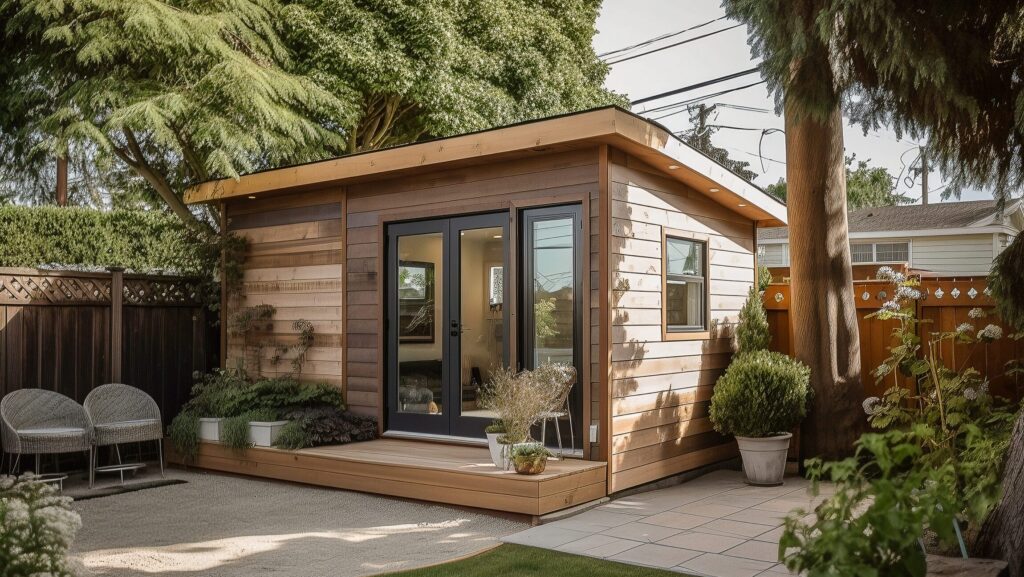
This is where an ADU can play a valuable role. An ADU is a smaller, secondary housing unit located on the same lot as a primary residence. It may be a converted garage, a basement apartment, or a detached structure. These units offer flexible living options that can adapt to changing needs over time.
For aging homeowners, an ADU can provide a safer, more manageable living space while allowing them to remain on their property. Instead of navigating stairs or maintaining a large home, you can downsize into the ADU and rent out the main house for supplemental income. Alternatively, a caregiver or family member can live in the ADU, offering nearby assistance while preserving privacy and independence.
ADUs also make multigenerational living more practical. Adult children can live close to aging parents, making it easier to provide care and share responsibilities. This arrangement often reduces reliance on expensive care facilities and strengthens family support systems.
Financially, an ADU can be a smart investment. Rental income can offset construction costs, contribute to retirement funds, or help cover healthcare expenses. Additionally, properties with ADUs may increase in value, adding to the overall strength of your estate.
However, integrating an ADU into your estate plan requires careful planning. Local zoning laws, building costs, financing options, and tax considerations all need to be evaluated. Consulting with an estate planning attorney and a general contractor can help ensure your plan aligns with your goals and complies with regulations.
By combining traditional estate planning tools with practical housing solutions like ADUs, you can create a more flexible and secure future. This approach not only protects your assets but also enhances your quality of life, giving you greater control, comfort, and peace of mind as you age.
Any content, resident submissions, guest columns, advertisements, and advertorials are not necessarily endorsed by or represent the views of Best Version Media LLC (BVM) or any municipality, homeowners associations, businesses, or organizations that this publication serves. BVM is not responsible for the reliability, suitability, or timeliness of any content submitted, inclusive of materials generated or composed through artificial intelligence (AI). All content submitted is done so at the sole discretion of the submitting party.