For decades the story of aging in America was told as a gradual retreat: fewer obligations, smaller circles, quieter days. Baby boomers are challenging that script. Born between 1946 and 1964, this generation has always moved through institutions with unusual force; and its entry into older adulthood is no exception.
The oldest baby boomers turn 80 in 2026, while the generation still numbers an estimated 67 million people in the U.S. That scale matters. When boomers change how they age, they change the markets, workplaces, communities and health systems around them.
This is not simply a story about living longer; it is a story about living differently. The emerging model of later life is more active, more connected, more intentional—and more demanding of the organizations built to serve older adults.
Health: A Daily Practice
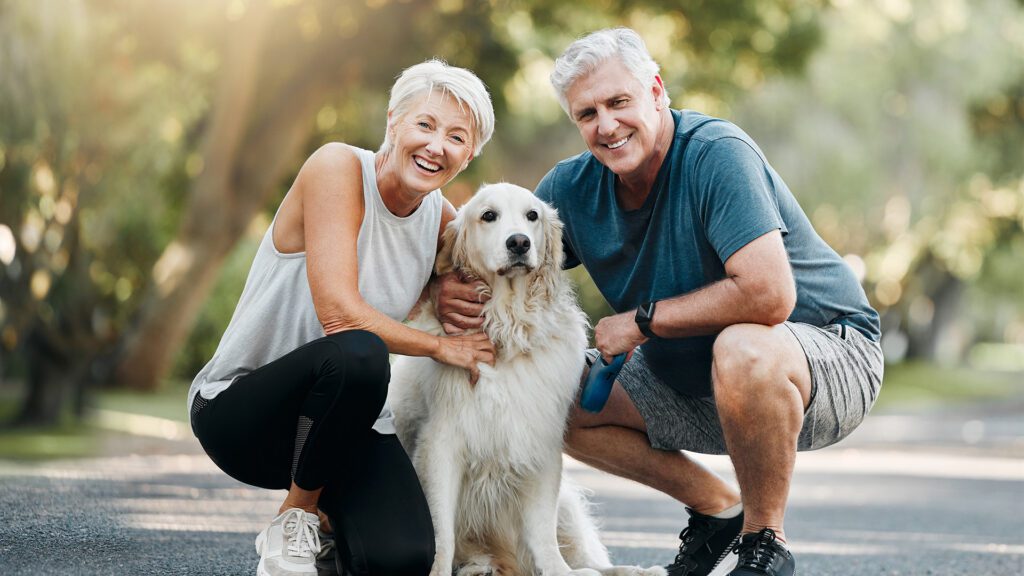
Perhaps the clearest sign of this shift is the way boomers approach health. Fitness is no longer treated as a short-term intervention or a luxury reserved for the already healthy. It has become a daily strategy for preserving independence, mobility, cognition and confidence. Strength training, walking groups, pickleball, yoga, cycling, swimming and balance focused classes are all part of a broader movement away from passive aging and toward active maintenance.
Fitness centers, community programs, senior living campuses and active adult neighborhoods are increasingly designed around strength, mobility, social participation and preventive health. The most effective programs do not simply ask older adults to “stay active”; they give them a structure for doing so safely, consistently and with peers.
Connection: A Health Strategy
One of the most important changes is cultural: Emotional well-being is moving closer to the center of the aging conversation. Boomers, who helped normalize open discussion of mental health, are carrying that expectation into their 70s and 80s. The AARP-National Geographic “Second Half of Life Study” found that common stereotypes of aging often fail to match how older adults describe their own lives, with many emphasizing purpose, optimism and health, even while managing real challenges.
Isolation is not just a social inconvenience; it is a health risk. The most forward looking communities are building connection into daily life, through volunteer networks, lifelong learning, travel groups, digital platforms, faith communities and peer led programming. For solo agers and retirees living far from family, these networks become essential infrastructure.
Leaders Serving Older Adults
The boomer longevity model asks every sector to raise its expectations. Healthcare must become more preventive and coordinated. Housing must support both independence and belonging. Community organizations must treat engagement as a core service, not an optional activity calendar.
The next chapter of aging will not be defined only by how many years people live, but by how much independence, connection and purpose those years contain.
One Lincoln Park continues to challenge itself to meet the changing needs of today’s active older adult! We celebrate the vibrant community we’ve built over the past four decades and look forward to many more years of providing premier retirement living in Dayton. Find out more at lincolnparkseniors.com or 937-298-0594.
Any content, resident submissions, guest columns, advertisements, and advertorials are not necessarily endorsed by or represent the views of Best Version Media LLC (BVM) or any municipality, homeowners associations, businesses, or organizations that this publication serves. BVM is not responsible for the reliability, suitability, or timeliness of any content submitted, inclusive of materials generated or composed through artificial intelligence (AI). All content submitted is done so at the sole discretion of the submitting party.