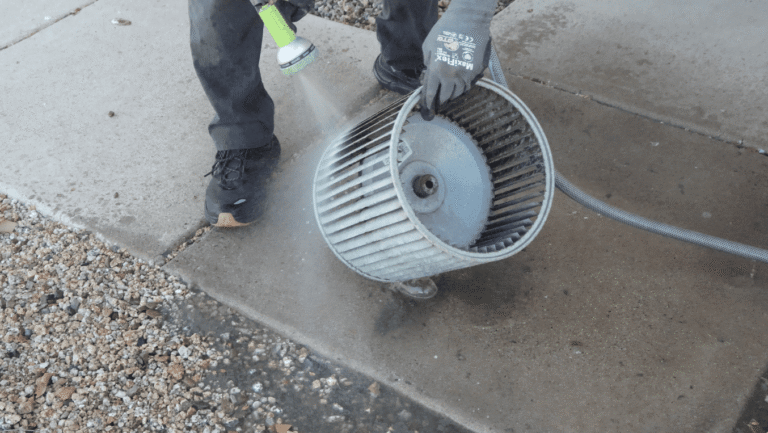
Your air conditioner just ran for six straight months. That’s roughly 2,500 hours of continuous duty since late April.
October in Phoenix still feels like summer. Highs in the mid-90s, AC running during the day. So when someone says “fall heating tune-up,” the natural reaction is: why would I think about heat right now?
Because right now your heating system is sitting idle with six months of wear on shared components, and you have zero idea whether it’s ready. The time to find out is while it’s still warm and the fix is routine, not when it’s 40 degrees at 6 a.m. and your family is reaching for blankets. Proactive beats reactive every time. We’re offering new customers a $99 fall heating tune-up and plumbing inspection. Here’s what that covers and why it’s worth it.
Credit: Mason Hays
What a heating tune-up actually covers
Most homeowners picture a tech flipping the thermostat to heat, waiting for warm air, and leaving. That’s not what we do.
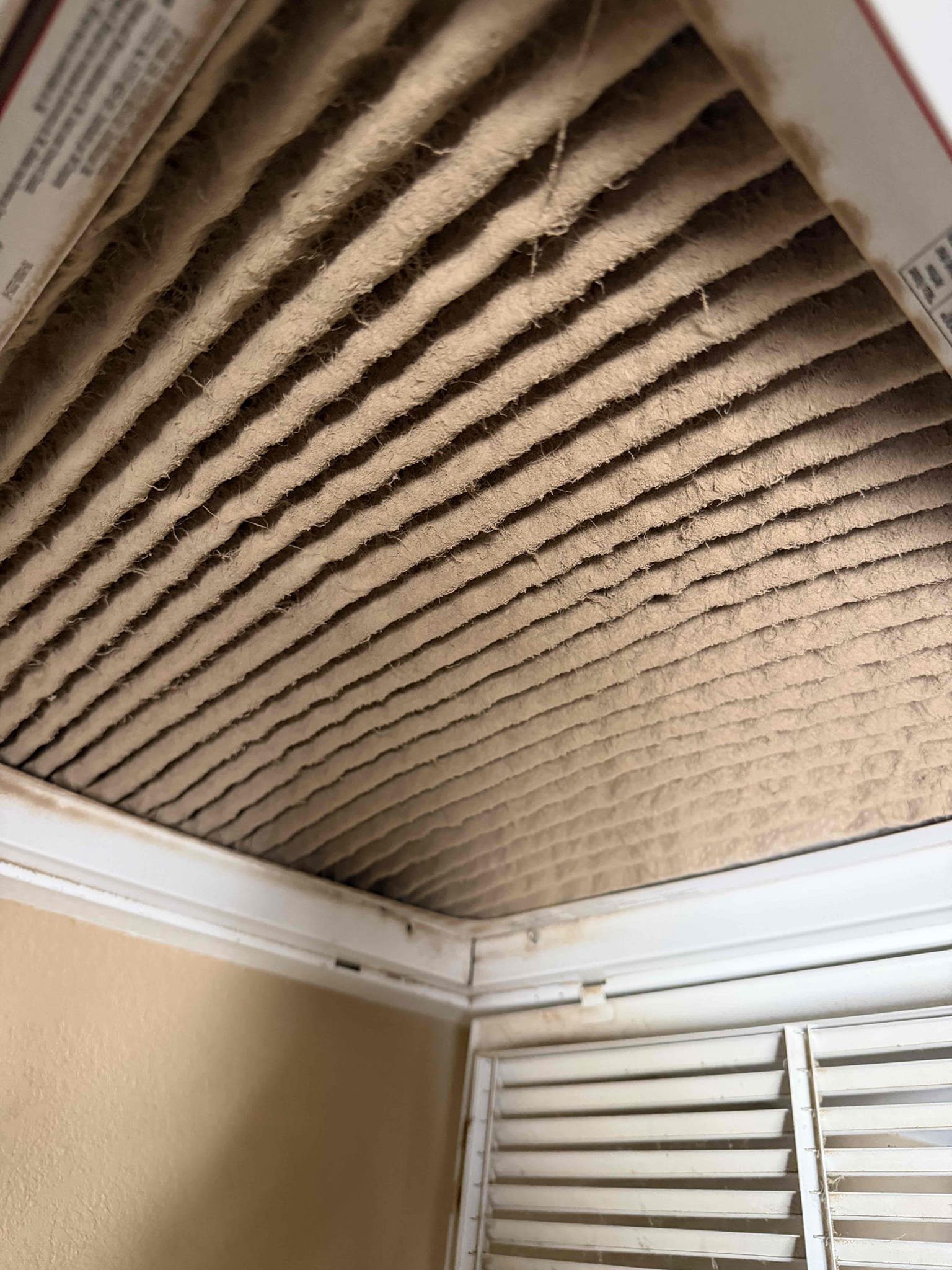
We check electrical connections and measure amp draws on the blower motor. That same motor ran your AC all summer, and it’s the one that runs your heat. We test the capacitor, and this is the part most people miss: a capacitor doesn’t fail all at once. It loses microfarads slowly over months of summer heat. By October it can be reading 15% low. Still enough to start the compressor in 95-degree weather. Not enough to start a cold blower motor when it’s 40 outside. That’s why we measure it with a meter instead of just running the system and calling it good.
On gas furnaces, we inspect the heat exchanger for cracks. A cracked heat exchanger leaks carbon monoxide into your living space, and catching it takes a trained set of eyes and the right instruments. We check the gas valve, test ignition, and verify the flame sensor.
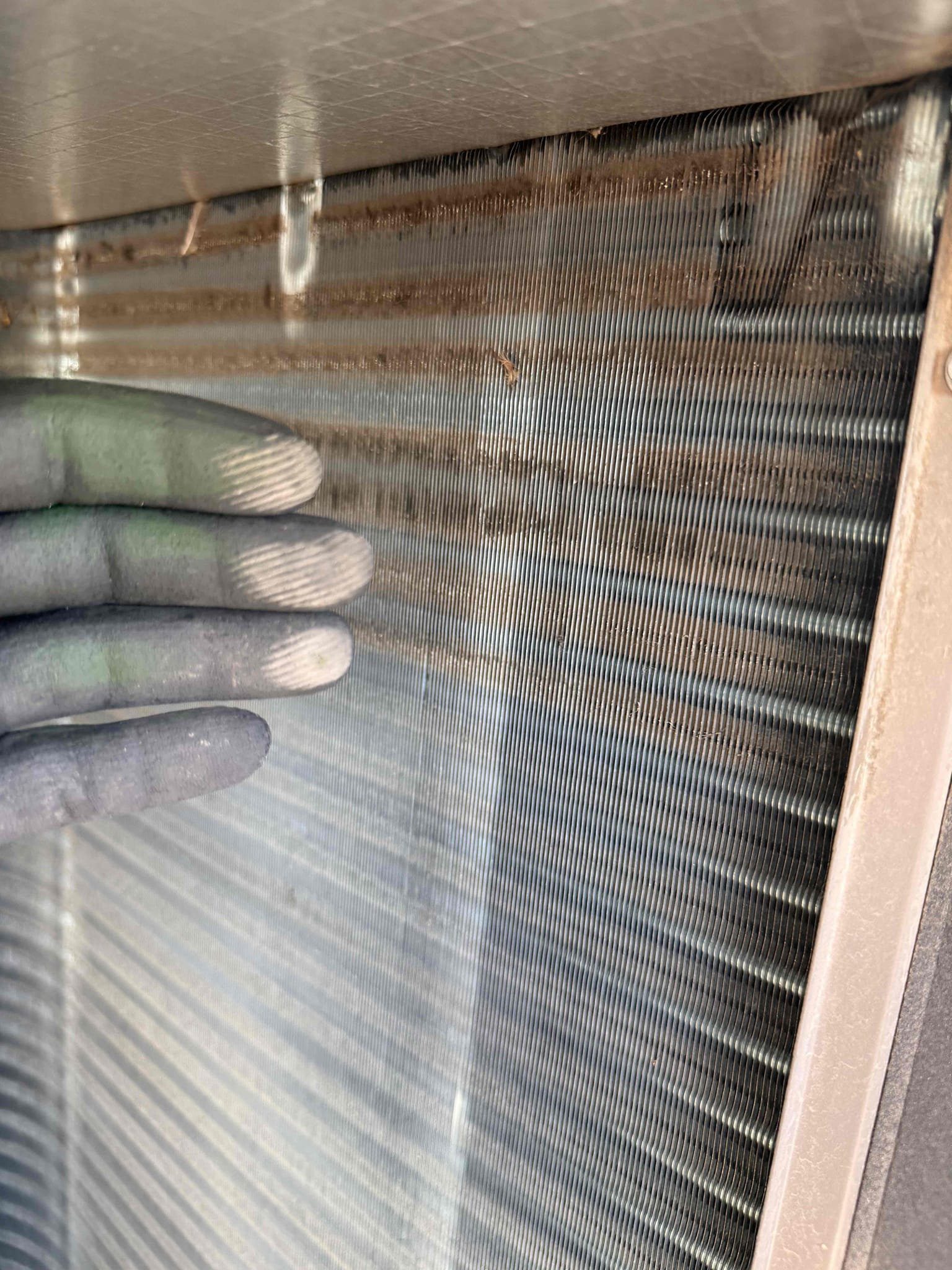
For heat pumps, we check the reversing valve, defrost controls, and refrigerant charge. A heat pump that cooled fine all summer can still struggle in heating mode, because it’s running different pressures through components that sat idle since last winter.
Credit: Mason Hays
The plumbing inspection
The $99 visit covers plumbing too.
Phoenix water is hard. That mineral content builds up inside your water heater tank, coating heating elements or settling on the bottom where it insulates the water from the burner. Your heater works harder and ages faster.
We check the anode rod, which protects the tank lining from corrosion. In Phoenix water, anode rods corrode in three to four years. Most people never check them. By the time the rod is spent and the tank lining starts to go, you’re shopping for a new water heater instead of paying for a straightforward part replacement.
We also check water pressure, look for slow leaks under sinks, and inspect accessible shutoff valves. If you already have a water softener and your heater is under five years old, the plumbing side of this visit will probably be uneventful. We’ll confirm everything looks healthy and move on. We’re not looking for problems that aren’t there.
Why it pays off
A weak capacitor replaced during a tune-up is a minor repair. That same capacitor failing on Thanksgiving weekend, taking the blower motor with it, is an emergency call and a much bigger job.
Carbon monoxide doesn’t smell. It doesn’t taste. A cracked heat exchanger won’t set off your smoke detector. Annual inspection is the only way to catch it early.
Most manufacturer warranties require documented annual maintenance. Skipping it can void coverage when you need it most.
About Local Roots
We’re family-owned by Chris and Stacia Hays, with 28 years in the Phoenix HVAC and plumbing industry. Trane Comfort Specialists. No call centers, no corporate scripts. You call, we answer.
The $99 fall heating tune-up and plumbing inspection is for new customers. Call 602-560-8989 or visit calllocalroots.com.
Any content, resident submissions, guest columns, advertisements, and advertorials are not necessarily endorsed by or represent the views of Best Version Media LLC (BVM) or any municipality, homeowners associations, businesses, or organizations that this publication serves. BVM is not responsible for the reliability, suitability, or timeliness of any content submitted, inclusive of materials generated or composed through artificial intelligence (AI). All content submitted is done so at the sole discretion of the submitting party.