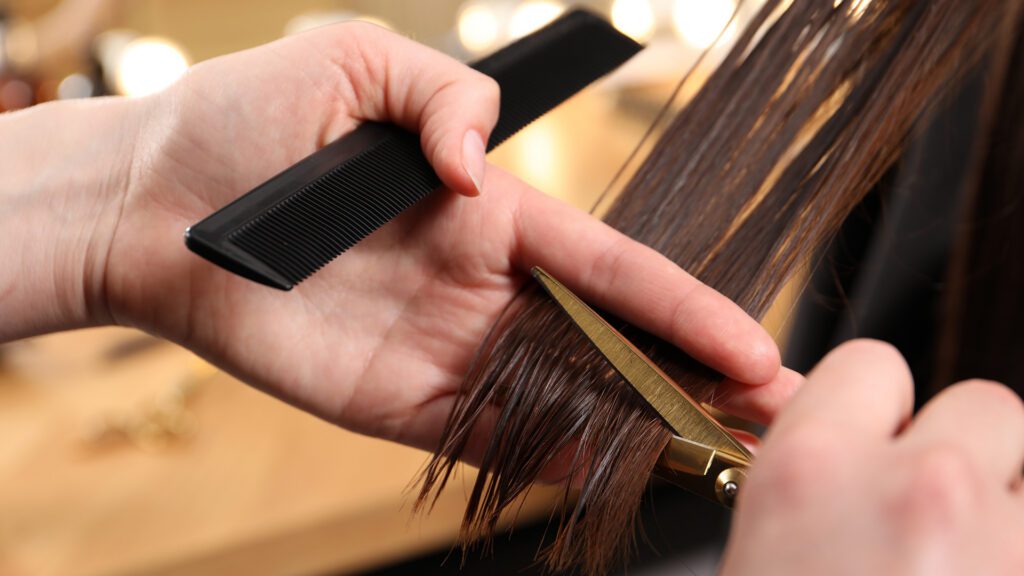
Every year brings a new list of must have haircuts, usually photographed under perfect lighting after a professional blowout. The real test is what happens after you leave the salon and step into Florida humidity.
In 2026, haircut trends are becoming more practical. Allure has highlighted soft curtain fringe, face framing layers and cuts with natural movement, while Vogue has featured collarbone length styles that offer the freshness of a shorter cut without giving up styling options. The common thread is flexibility. Clients want hair that looks current but still works on an ordinary Tuesday morning.
That matters in Florida, where heat, humidity, afternoon rain, outdoor activities and time near the water all affect the way hair behaves. Moisture in the air can enter the hair shaft and cause it to swell. Hair that looked smooth indoors may become fuller, curlier or less controlled outside. A good haircut cannot change the weather, but it can create a shape that responds to it more predictably.
The modern bob remains popular, but the best version is not necessarily a heavy, perfectly blunt line. For many clients, a softly contoured bob with subtle shaping underneath creates movement while keeping the overall silhouette polished. The exact length should be chosen carefully. A bob that ends at the widest part of the jaw can emphasize that area, while one that falls slightly above or below it may create a more flattering balance.
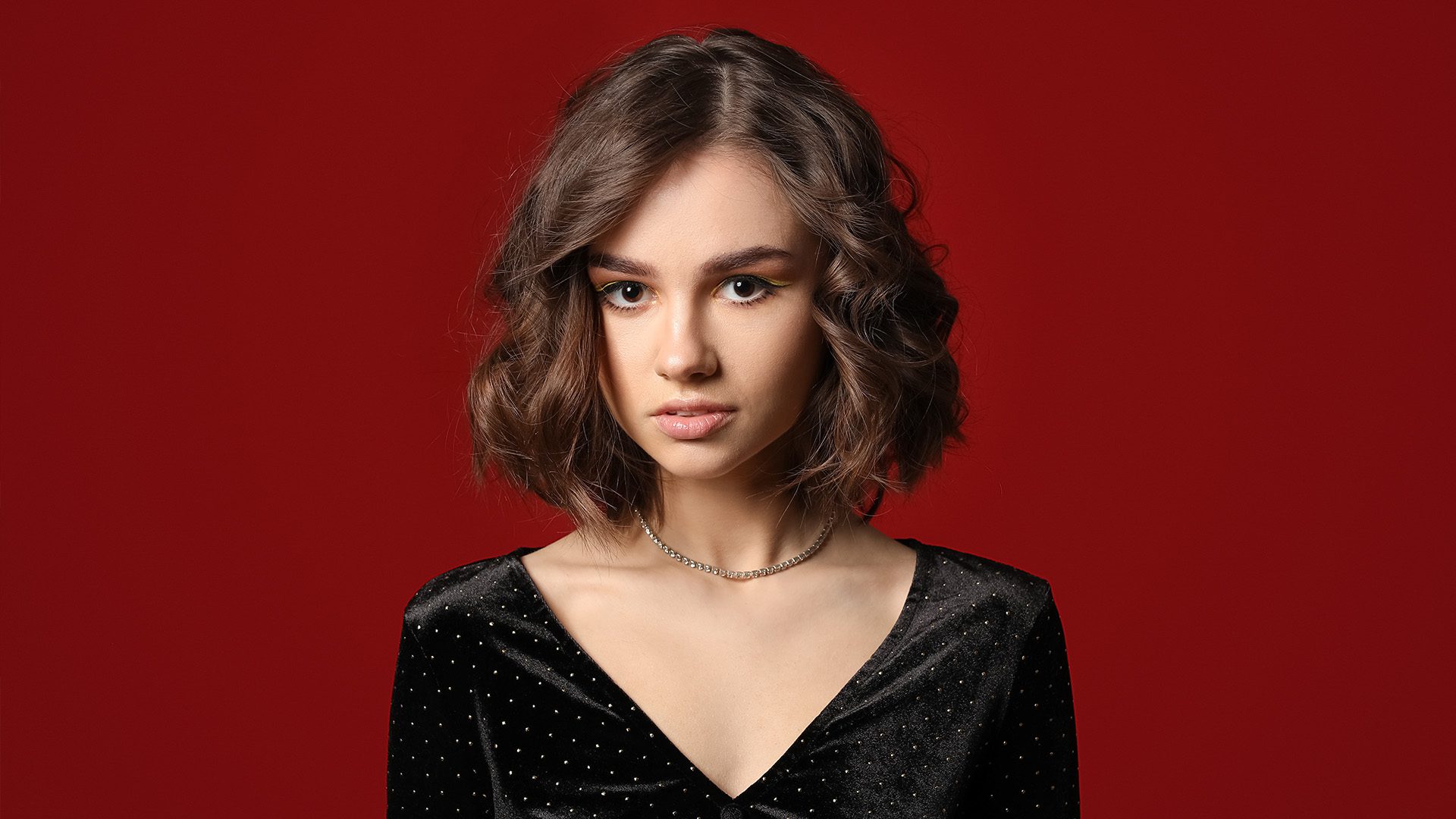
Hair density also matters. Fine hair often benefits from a stronger perimeter because too many layers can make the ends appear thin. Thick hair may need carefully placed internal weight removal so the shape does not become too wide when humidity rises. This is why bringing a photograph is helpful, but copying the cut exactly is not always the right choice.
The collarbone length lob is another strong option for Florida clients. It provides enough length for a ponytail, clip or bun on hot days while still feeling lighter and more polished than long hair. Gentle layers can add movement without creating short pieces that expand around the crown.
Longer hair is seeing the return of face framing layers and curtain fringe. These details can soften the face and give long hair more shape without sacrificing overall length. Curtain fringe is often easier to grow out than a short, blunt bang because it gradually blends into the sides. However, Florida clients should be honest about how much styling they are willing to do. Fringe sits directly against the forehead, where heat and perspiration can change its shape quickly.
For wavy and curly hair, the most important trend is greater respect for natural texture. The haircut should be planned around the curl pattern, density and amount of shrinkage. Some curl specialists cut hair dry so they can see where each curl naturally rests. Others prefer to work on damp hair using techniques designed for curls. Neither method is automatically best for everyone. The right choice depends on the client’s texture and how the hair is normally worn.
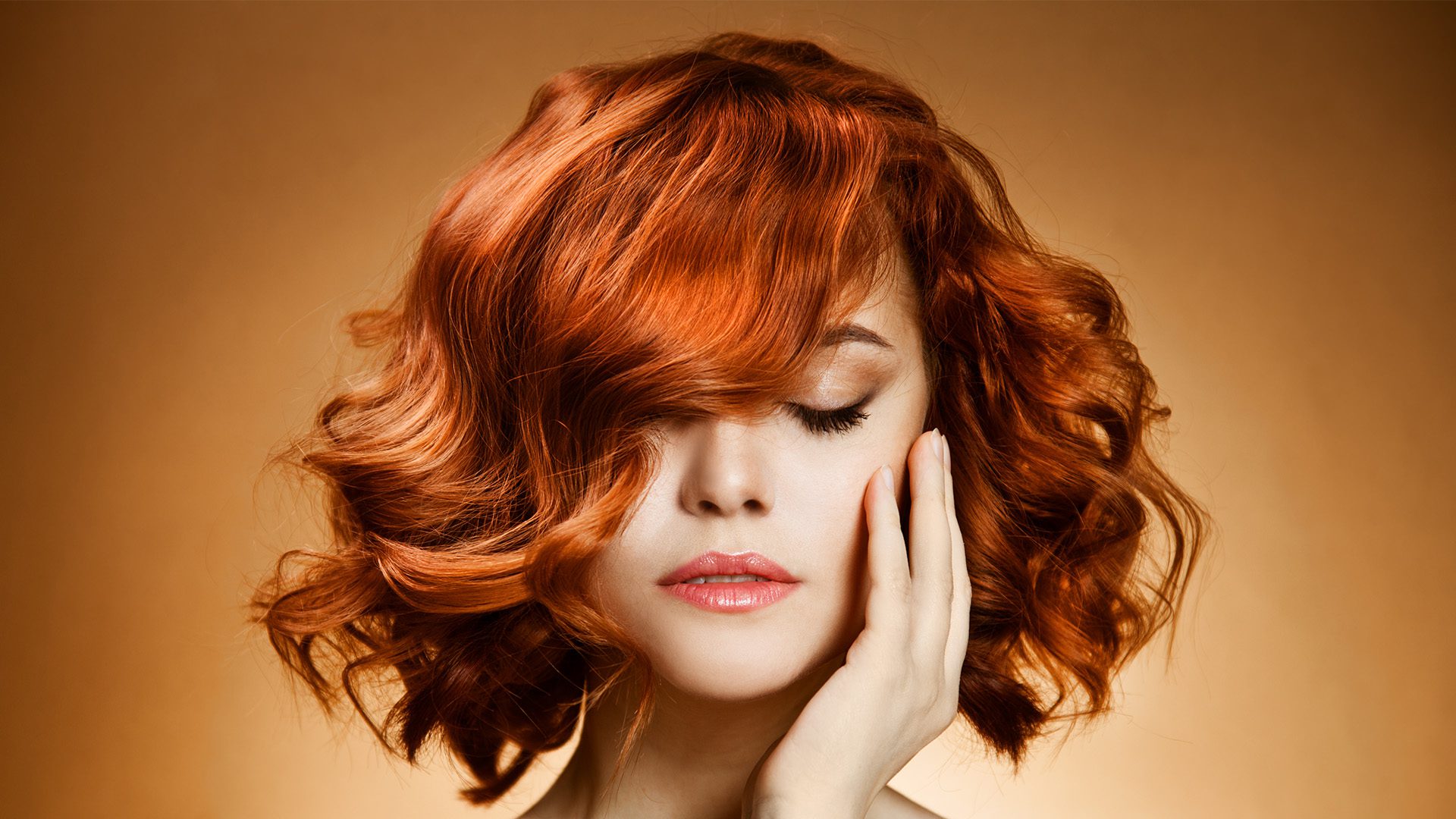
Internal layering can be especially useful, but it must be done with care. Removing weight from the correct areas can prevent a wide or triangular shape while allowing curls and waves to move more freely. Removing too much can create frizz, weak ends or short pieces that are difficult to control.
Before choosing a cut, tell your stylist how you actually live. Do you let your hair dry naturally? Do you need to pull it back for work or exercise? How often will you use a round brush or hot tool? Do you spend weekends near the pool or water? A haircut should make those routines easier, not require you to become a different person.
The best haircut trend of 2026 is not one specific length or shape. It is a cut designed for the individual wearing it. In Florida, that means considering humidity, natural texture, density, lifestyle and realistic styling time. When those details guide the decision, a haircut can look polished in the salon and still make sense at home.
Any content, resident submissions, guest columns, advertisements, and advertorials are not necessarily endorsed by or represent the views of Best Version Media LLC (BVM) or any municipality, homeowners associations, businesses, or organizations that this publication serves. BVM is not responsible for the reliability, suitability, or timeliness of any content submitted, inclusive of materials generated or composed through artificial intelligence (AI). All content submitted is done so at the sole discretion of the submitting party.