Dr. Mehra, my cardiologist recently mentioned Peripheral Arterial Disease, or PAD. What exactly is it?
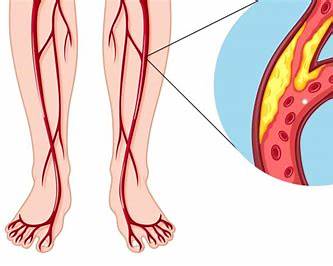
Peripheral Arterial Disease, commonly called PAD, is a condition that develops when the arteries carrying blood throughout the body become narrowed or blocked. It most often affects the arteries in the legs. The usual cause is atherosclerosis, which is the buildup of fatty, cholesterol-containing plaque inside the arteries. It is the same disease process that can contribute to heart attacks and strokes, but with PAD it is occurring in arteries outside of the heart and brain.
One of the simplest ways to think about PAD is to imagine your arteries as pipes carrying oxygen-rich blood to your muscles and tissues. Over time, plaque can build up along the inside walls of those arteries and gradually make the passageway narrower.
You may not notice anything while you are sitting or resting. But when you start walking, climbing stairs or doing other physical activity, your leg muscles suddenly need more blood and oxygen. If the arteries cannot deliver enough because they are narrowed, that is when symptoms may appear.
What are the most common symptoms?
The classic symptom of PAD is called intermittent claudication. That is a medical term for cramping, aching, heaviness or fatigue in the calf, thigh or buttock that develops during walking and improves once you stop and rest.
That said, PAD does not always follow the textbook description.
Some people simply notice that their legs feel unusually tired or heavy. Others may realize that they cannot walk as far as they once could without needing to stop. Some patients, especially those with diabetes, may have less obvious symptoms. And many people with PAD may have no symptoms at all, particularly during the earlier stages of the disease.
Other signs can include feet or legs that feel unusually cool, hair loss on the legs or feet, shiny skin, weak or absent pulses in the feet and sores that are slow to heal. In more advanced cases, reduced circulation can lead to pain even while resting, non-healing wounds, ulcers or tissue damage.
Who is most at risk?
PAD becomes more common as we get older, especially after age 50 and even more so after age 65.
There are also several major risk factors that can increase a person’s chances of developing the condition. These include smoking, diabetes, high blood pressure, high cholesterol, obesity, a sedentary lifestyle and chronic kidney disease.
Smoking is especially significant and is considered one of the strongest risk factors for PAD.
Diabetes is another major concern because it can increase both the likelihood of developing PAD and the severity of the disease.
How do you know if you have PAD?
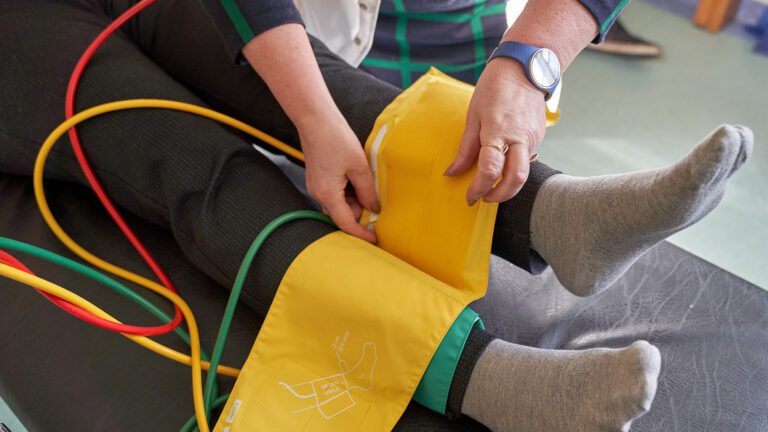
One of the first tests we commonly use is called an Ankle-Brachial Index, or ABI.
It sounds complicated, but the test itself is actually very simple. Blood pressure is measured at the ankle and in the arm, and the two measurements are compared. A normal ratio is close to 1.0. A lower result can indicate that blood flow into the legs is reduced.
The ABI is painless, noninvasive and an effective first step in evaluating someone for PAD.
If we need additional information, other tests such as ultrasound, CT angiography, magnetic resonance angiography or catheter-based angiography can help determine exactly where an artery is narrowed and how severe the blockage may be.
If I have PAD, does that mean I will need surgery?
Not necessarily.
For many patients, treatment begins by managing the risk factors that contribute to artery disease. That can include quitting smoking, controlling blood pressure and diabetes, lowering cholesterol, maintaining a healthy weight and following a heart-healthy diet.
Exercise is also an important part of treatment. Structured walking programs can help improve how far someone can walk and how efficiently the leg muscles use the available blood supply.
Medications may also be prescribed to reduce the risk of blood clots, lower cholesterol, control blood pressure or improve walking symptoms.
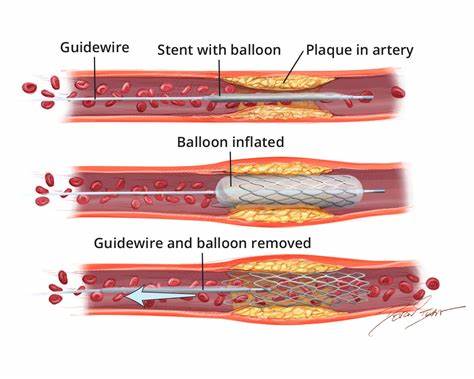
If symptoms remain significant or the circulation problem becomes more serious, minimally invasive procedures such as balloon angioplasty or stenting may be used to reopen narrowed arteries. In more complex cases, bypass surgery or other surgical procedures may be appropriate.
Why is PAD something people should take seriously?
One of the most important things I want patients to understand is that PAD is not simply a problem with the legs.
PAD is a sign of atherosclerosis, and that means the same disease process may also be affecting arteries supplying the heart and brain. People with PAD can have an increased risk of heart attack, stroke and other cardiovascular complications.
The good news is that identifying PAD gives us an opportunity to address those risks earlier.
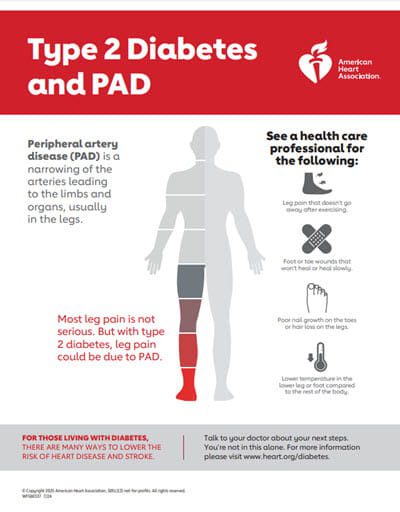
If you regularly experience leg pain while walking that improves with rest, notice a wound on your foot that is not healing, or have several of the risk factors associated with PAD, talk with your physician.
Sometimes a simple circulation test can provide important answers. Recognizing PAD early can be an important step toward protecting not only your legs, but your overall cardiovascular health.
If you or a loved one are experiencing symptoms of PAD or would like more information about Peripheral Arterial Disease, contact Dr. Aditya Mehra and the team at Cardiology Associates of Ocean County.
Patients can visit the practice at 495 Jack Martin Boulevard in Brick, or take advantage of the group’s comprehensive cardiovascular testing facility at 2414 Route 35 North in Wall Township.
Early evaluation and testing can help identify circulation problems and provide patients with the information they need to take an active role in protecting their cardiovascular health.
Cardiology Associates | 732-458-7575 | info@heartdoctorsnj.com
Any content, resident submissions, guest columns, advertisements, and advertorials are not necessarily endorsed by or represent the views of Best Version Media LLC (BVM) or any municipality, homeowners associations, businesses, or organizations that this publication serves. BVM is not responsible for the reliability, suitability, or timeliness of any content submitted, inclusive of materials generated or composed through artificial intelligence (AI). All content submitted is done so at the sole discretion of the submitting party.