For years, one of the most predictable moves in residential real estate happened when the children left home. The large family house—with extra bedrooms, expansive yards and spaces designed around raising children—suddenly felt like more than two people needed. Empty nesters downsized, simplified and embraced a home better suited to their new lifestyle.
But increasingly, we’re seeing another chapter unfold. After several years in a smaller home, some owners are discovering they need more space again.
Call it the “Boomerang Buy.”
It often begins with a logical decision. Children head off to college or establish homes of their own. Owners are ready for less maintenance, fewer stairs and a simpler way of living.
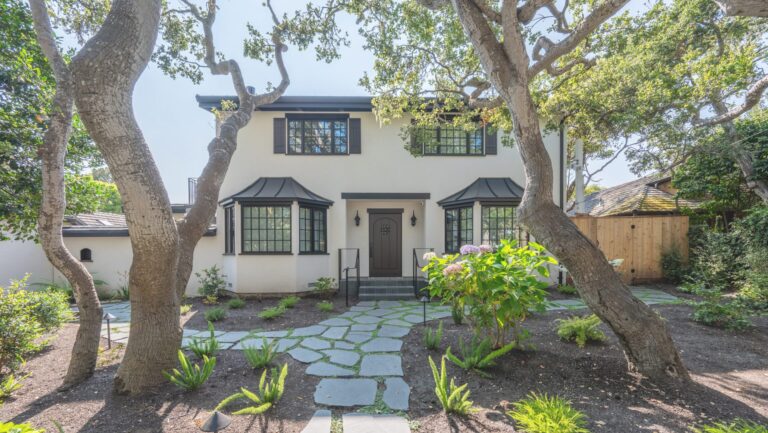
In Carmel, that might mean trading a larger property for a beautifully finished two‑ or three‑bedroom home closer to town, the beach or the golf course. For a while, it works beautifully. Then the family changes again.
Submitted photo
Adult children begin coming home with spouses or partners. Grandchildren arrive. A weekend visit that once meant accommodating one child now means finding room for an entire family.
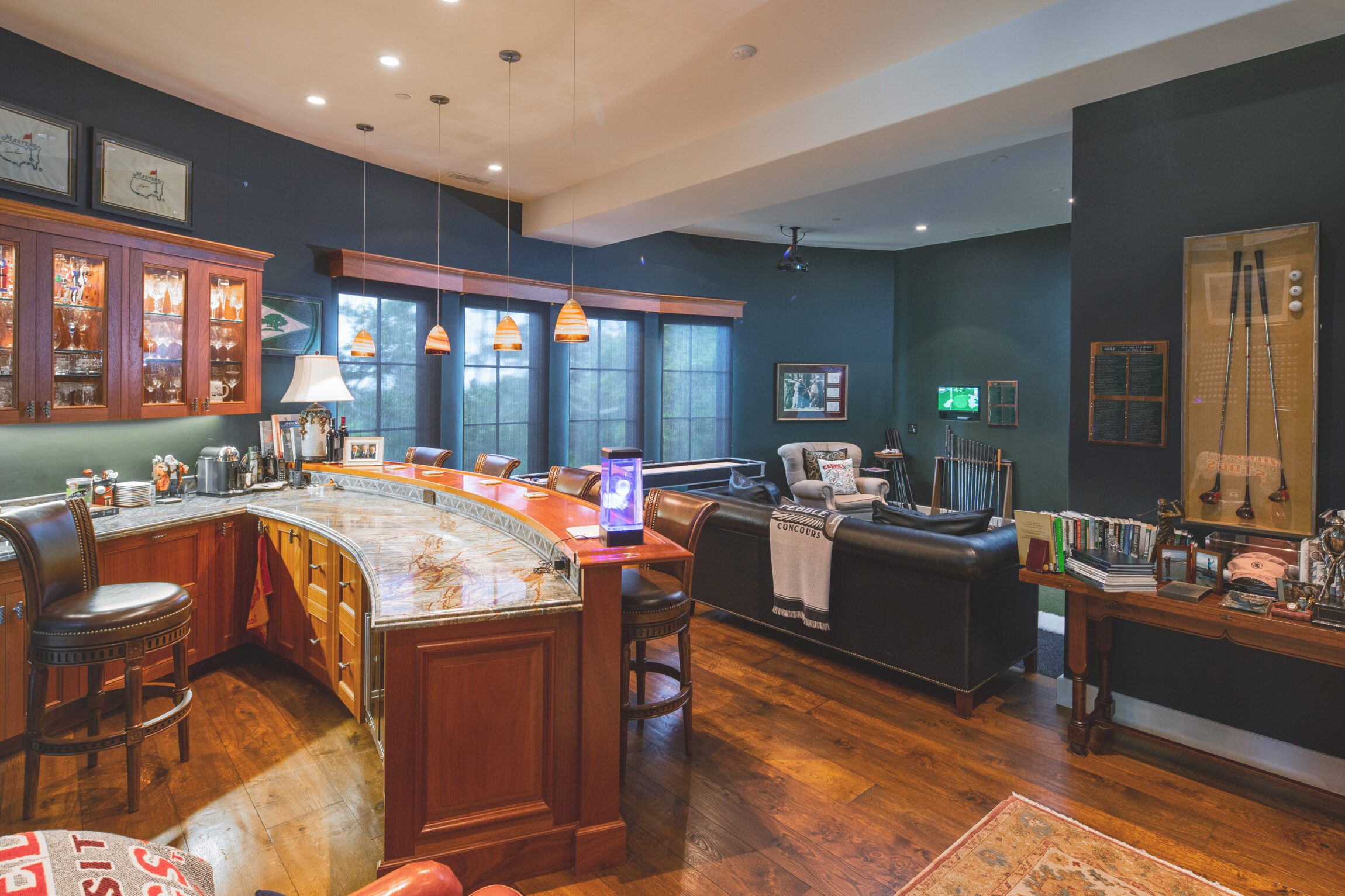
For second-home owners, the dynamic can be even more pronounced. A house purchased as a quiet retreat for two gradually becomes the place everyone wants to gather. Children bring friends. Grandchildren bring cousins. Holidays stretch into long weekends and summer visits can last for weeks. Suddenly, the house that felt perfectly efficient starts to feel a little too efficient.
We are seeing buyers respond by looking for more space again—but importantly, they aren’t necessarily looking to recreate the large family home they left behind. Their priorities have changed.
Rather than simply counting bedrooms or square footage, these buyers are looking for homes that can expand and contract depending on who is visiting.
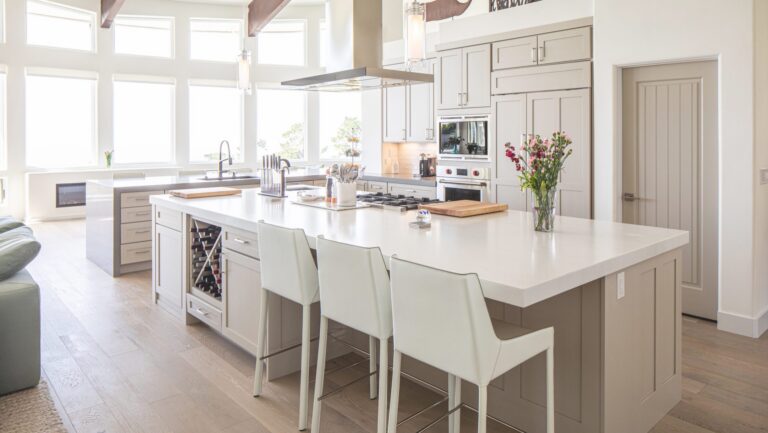
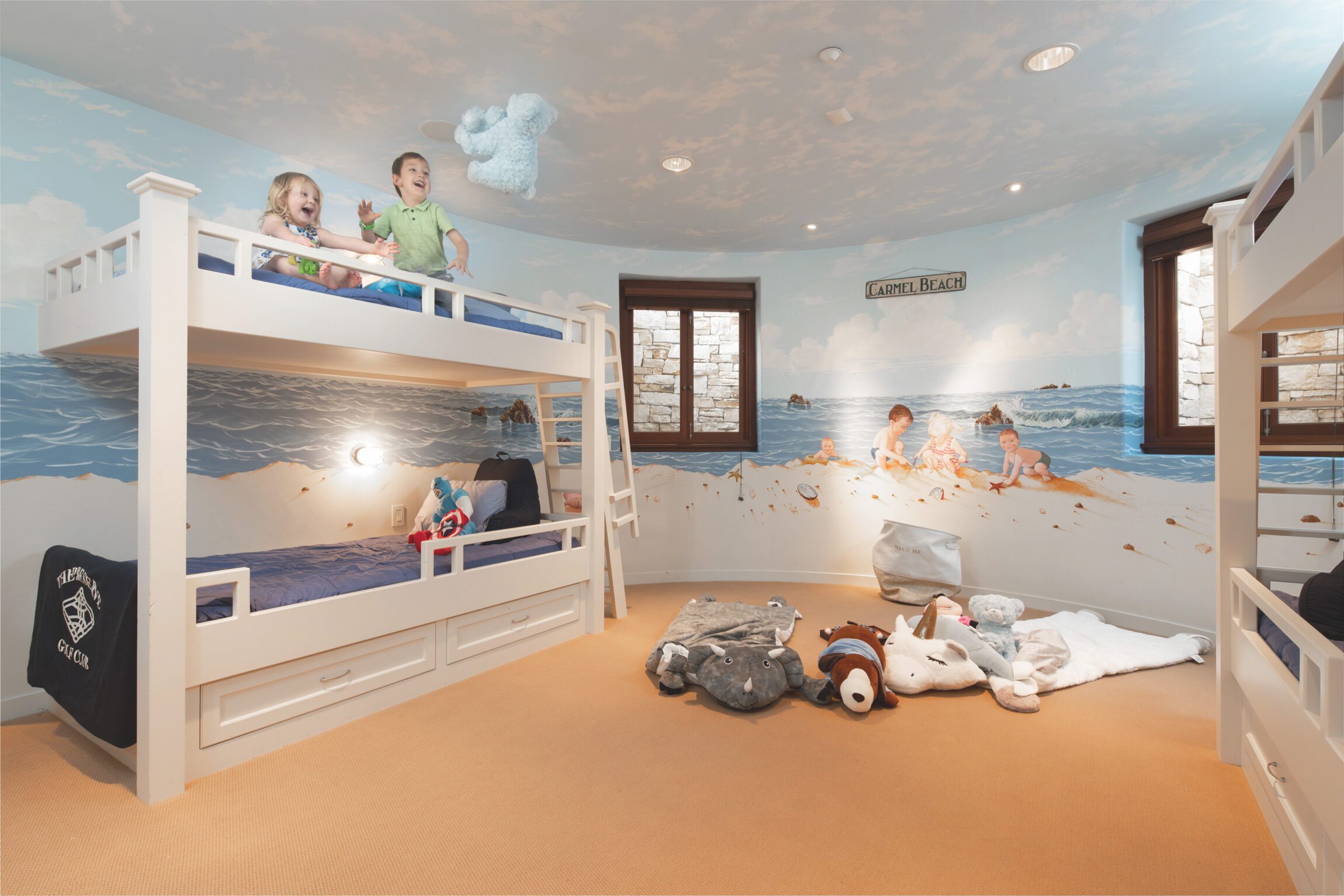
A primary suite on the main level remains highly desirable. But so do private guest suites, en‑suite bathrooms, detached guest houses and flexible spaces that allow several generations to comfortably share a property.
Submitted photo
Privacy within the home has become almost as important as privacy around it.
Separate bedroom wings and guest accommodations with their own entrances can provide togetherness without sacrificing independence.
Outdoor living also takes on greater importance.
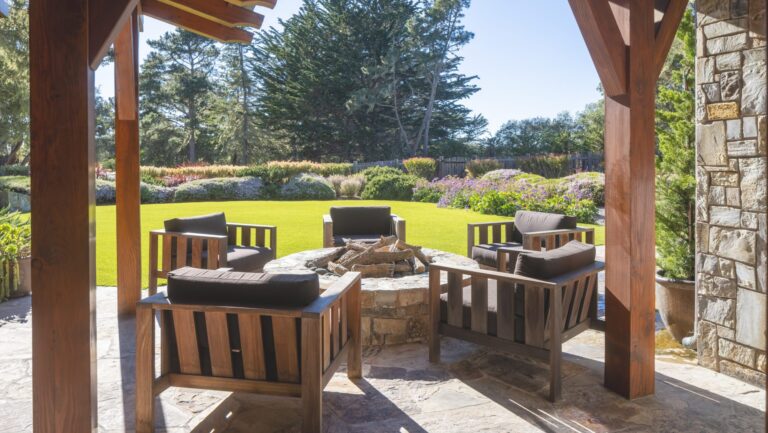
A couple may be perfectly happy with a small terrace. A family gathering requires something different: room to dine, play and spread out. In Carmel, patios, courtyards and protected gardens can effectively become additional living rooms.
Proximity to activities matters, too.
Buyers increasingly consider not just how everyone will fit inside the house, but what they will do once they arrive. Easy access to Carmel Beach, downtown restaurants and shops, golf and walking trails allows different generations to enjoy their own activities—and gives everyone a little breathing room during longer visits.
Aging is also a consideration.
There is another important distinction with the Boomerang Buy: these owners are still thinking about aging. They may want more space, but they generally don’t want more complication.
Single-level living, manageable landscaping and a main‑floor primary suite remain important. Buyers may happily add bedrooms for family while remaining reluctant to take on steep stairs, extensive grounds or constant maintenance.
In other words, they want a house that lives small when there are two people—and lives large when there are twelve.
Downsizing was once viewed as a fairly permanent progression: raise the family, sell the family home, buy something smaller. Life is rarely quite that linear.
The takeaway isn’t that downsizing is a mistake. For many owners, it is exactly the right decision. But it can be worthwhile to think beyond how you live today and consider how your family may use the home five or ten years from now.
The right amount of space isn’t always less—or more. Sometimes, it’s simply space that can adapt.
As a Carmel native and local real estate advisor, I’ve watched homes play many different roles over the course of a family’s life. Increasingly, the most successful homes aren’t necessarily the largest. They’re the ones that make it easy to be together when everyone arrives—and equally comfortable when everyone goes home.
Any content, resident submissions, guest columns, advertisements, and advertorials are not necessarily endorsed by or represent the views of Best Version Media LLC (BVM) or any municipality, homeowners associations, businesses, or organizations that this publication serves. BVM is not responsible for the reliability, suitability, or timeliness of any content submitted, inclusive of materials generated or composed through artificial intelligence (AI). All content submitted is done so at the sole discretion of the submitting party.