Every fall, another season comes around that nobody looks forward to: respiratory virus season. It’s a time when rates of viruses like influenza (flu), COVID, and respiratory syncytial virus (RSV) increase because people spend more time gathered indoors.
Respiratory virus season typically starts in October, builds momentum through November and December, peaks in January or February, and sometimes lingers into March or April. With the right strategies, you can reduce your risk and avoid spreading illness to others.
What vaccines do I need, and when?
Flu vaccine
- Who? Everyone six months and older should get a flu vaccine every year.
- When? Ideally in September or October, before flu activity ramps up.
- Why? The flu virus changes yearly and immunity wanes, so last year’s vaccine may not be as protective this year.
COVID vaccine
- Who? The updated 2025–26 COVID vaccine is currently recommended for everyone 65 and older or those with a chronic medical condition. Others may be eligible for the updated vaccine after talking it over with their healthcare provider.
- When? Although COVID circulation has not been limited to only fall and winter, the updated vaccines have been released in the fall the last couple of years. If it has been more than six months since your last COVID vaccine, then check to see if you are eligible to get an updated version in the fall.
- Why? Immunity wanes over time, and the virus keeps evolving. Updated vaccines restore strong protection against severe illness.
RSV vaccine
- Who? Unvaccinated adults ages 75 and older, adults ages 60–74 with chronic medical conditions, and pregnant people at 32–36 weeks. There is no current recommendation for boosters or repeated vaccination for RSV.
- When? Offered year-round but best between August and October before RSV starts to circulate.
- Why? RSV can cause serious illness in infants, older adults, and those with chronic health conditions.
Pneumococcal vaccine
- Who? Adults ages 50 and older and adults ages 19–49 with certain medical conditions like chronic lung, heart or liver disease, diabetes or weakened immunity.
- When? One-time series depending on your age and health history. Your provider can guide the exact schedule.
- Why? Pneumococcal disease can cause pneumonia, meningitis and bloodstream infections—conditions that hit harder in older or medically vulnerable adults. There is an increased risk of bacterial pneumonia following a serious respiratory viral infection like the flu.
Why You Should Get Vaccinated
Vaccines are extremely safe and your best protection against getting sick. While you may experience
short‑lived, mild side effects like soreness at the injection site, aches and tiredness, getting vaccinated is better than getting sick.
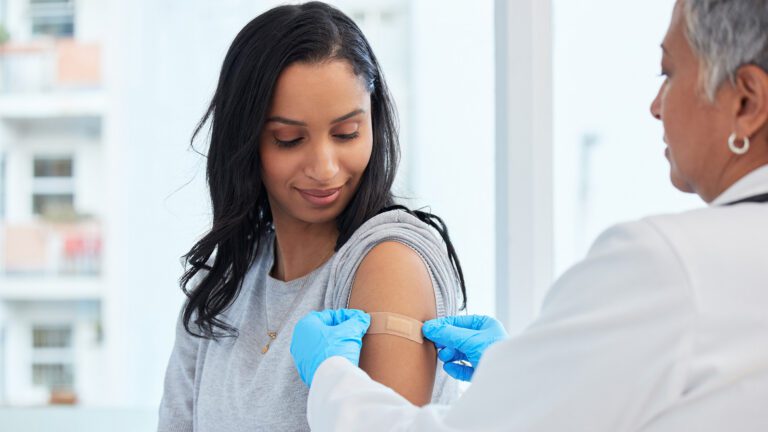
Vaccination lowers your risk of severe illness, hospitalization and long‑term complications. You may still get sick, but the illness is usually milder and shorter. Most pharmacies and primary care offices offer these vaccinations at little or no cost.
Babies, older adults and those with weakened immune systems rely on others for protection. Your vaccination helps shield them. And, fewer sick people means less strain on hospitals, fewer work and school disruptions and a healthier community.
How to Protect Yourself from Respiratory Viruses
- Hand hygiene: Wash your hands often with soap and water for at least 20 seconds. It sounds basic, but it’s incredibly effective. When you can’t wash, alcohol‑based sanitizer can do the trick.
- Air quality: Viruses spread more easily in stale indoor air. Open windows, run fans and use an air filter.
- Masking: Masks are a strong tool for protection in crowded places. If you’re sick but can’t avoid errands, wearing a mask protects others. If you’re traveling or in a packed room, masks can provide you with an extra layer of protection
- Distance: In crowded areas, a little space goes a long way. Viruses typically travel in droplets when other people talk, cough, sneeze, etc. Distance reduces exposure.
- Lifestyle choices: Sleep, exercise, and nutrition are the unsung heroes. A run‑down body is easier for viruses to attack. A rested, nourished body fights back better.
Don’t Let Respiratory Viruses Derail Your Winter Plans
Get vaccinated and practice simple prevention habits to keep yourself and those around you safe. This season, give yourself and others the gift of peace of mind and fewer sick days.
Is It Cold, Flu, or COVID?
To learn how to tell the difference and get answers to frequently asked questions, visit montagehealth.org/respiratory.
Any content, resident submissions, guest columns, advertisements, and advertorials are not necessarily endorsed by or represent the views of Best Version Media LLC (BVM) or any municipality, homeowners associations, businesses, or organizations that this publication serves. BVM is not responsible for the reliability, suitability, or timeliness of any content submitted, inclusive of materials generated or composed through artificial intelligence (AI). All content submitted is done so at the sole discretion of the submitting party.